When planning a contemporary home makeover, the foundation of the room dictates everything that follows. Grey tile floors have emerged as a sophisticated choice for modern living spaces, offering an exceptional blend of durability, sleek neutrality, and high-end aesthetic appeal. Far from the sterile industrial look of the past, today’s grey tile options range from soft dove-gray limestone looks to dramatic charcoal porcelain slabs that anchor open-concept U.S. living areas with effortless style.
However, introducing tile into a main living space requires a thoughtful approach to ensure the room remains inviting rather than clinical. Because flooring spans the entire visual plane of a room, understanding how to select the right finish, balance undertones, and layer textures is essential. By combining the sleek permanence of tile with intentional interior design choices, you can create a living room that feels both strikingly modern and comfortably livable.
Selecting the Ideal Shade and Finish
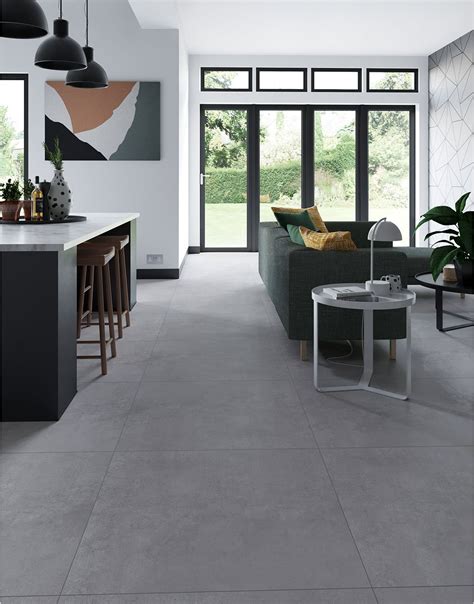
The journey to a stunning grey tile floor begins with understanding the vast spectrum of grey available on the market. Grey is rarely a pure neutral; it frequently carries undertones of blue, green, beige, or violet. Observing how natural light enters your living room throughout the day will guide you toward the correct undertone. South-facing rooms in sun-drenched regions often benefit from cooler, blue-grey tiles that diffuse intense glare, while north-facing spaces in cooler climates are better warmed by greige or warm charcoal hues.
Surface finish is equally critical to the overall atmosphere of your living room. Polished tiles reflect light beautifully and amplify the sense of space in compact urban apartments, but they can feel slippery and show footprints more readily. Matte and textured finishes offer a more grounded, organic feel that mimics natural stone or concrete. Large-format tiles measuring 24×24 inches or larger are particularly popular in modern American homes because they minimize grout lines, creating a seamless, uninterrupted expanse that makes living rooms feel expansive and architectural.
Balancing Cool Tones with Warm Textures
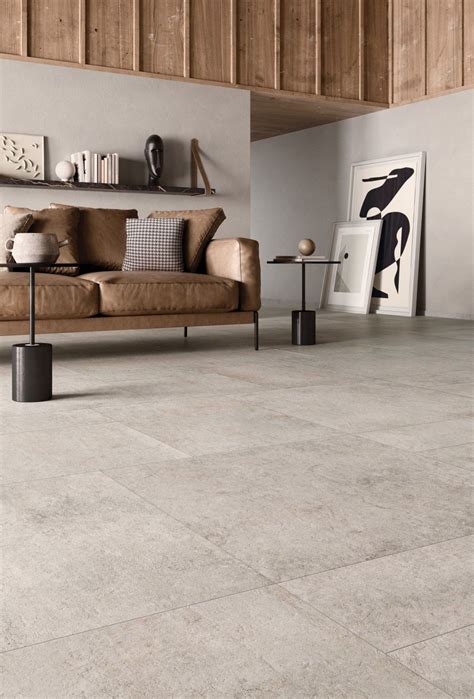
One of the most common concerns homeowners face is whether grey tile will make a living room feel cold and unwelcoming. While tile naturally conducts temperature and offers a crisp visual aesthetic, this challenge can be easily neutralized through the strategic layering of tactile materials. Introducing warmth into the space is not about changing the floor itself, but about creating intentional contrasts that celebrate the beauty of the tile while softening the overall environment.
A plush, high-pile wool area rug placed beneath the main seating arrangement instantly breaks up the hard surface of the floor while providing a cozy landing spot for bare feet. Furthermore, incorporating rich wood elements—such as a walnut coffee table, oak shelving, or exposed ceiling beams—brings organic warmth that counteracts the coolness of grey stone or porcelain. Layering heavy linen drapes, boucle accent chairs, and knit throw blankets adds depth and ensures the room feels layered rather than stark.
Matching Furniture and Decor to Grey Flooring
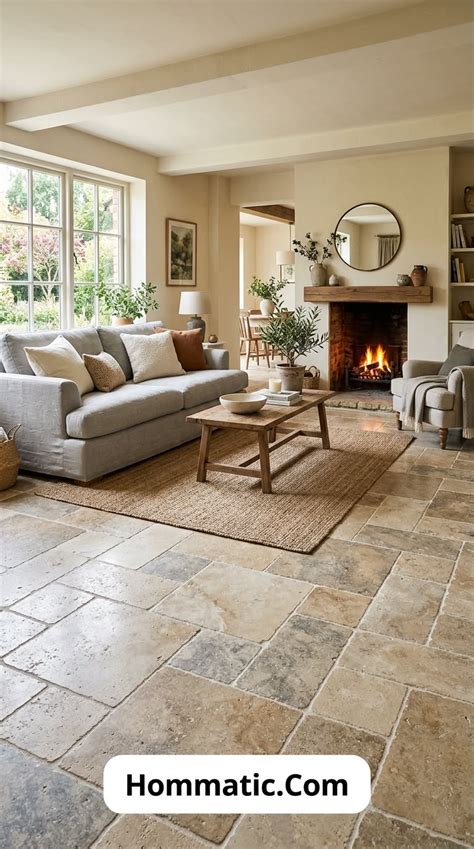
Grey tile acts as a versatile canvas, but different furniture styles will interact with it in distinct ways. If you favor a minimalist aesthetic, pairing charcoal or medium-grey floors with streamlined leather sofas and matte black metal accents creates a cohesive, gallery-like atmosphere. For a softer, transitional look, consider pairing pale grey tiles with warm beige upholstery, cream-colored textiles, and brushed brass fixtures.
When selecting upholstery and large case goods, pay attention to contrast. If your tiles are a medium shade, avoid furniture that matches the exact same tonal value, as this can make the room feel flat and uninspired. Instead, opt for either rich dark contrasts—like deep navy or emerald velvet chairs—or bright, airy neutrals that make the flooring pop. Metallic accents in brushed gold, copper, or matte black provide a sophisticated finishing touch that elevates the entire design scheme.
Practical Considerations for U.S. Households
Beyond aesthetics, flooring in a high-traffic American living room must withstand the rigors of daily life, whether that includes children, pets, or frequent gatherings. Tile is exceptionally durable, highly resistant to scratching, and simple to clean, making it a stellar long-term investment. Unlike hardwood, it does not dent under heavy furniture or scratch when a dog’s claws scamper across the surface. Spills can be wiped up instantly without fear of permanent water damage.
Nevertheless, the inherent hardness of tile means that dropped glassware is unlikely to survive, and standing for long periods without a rug can fatigue your feet. In homes with open floor plans that transition from kitchen to living room via the same tile flooring, consider placing anti-fatigue mats in specific prep or high-standing zones if applicable, and rely on rugs to define relaxation zones. Proper installation with a quality underlayment or crack-isolation membrane also ensures that your investment remains stable and crack-free through seasonal temperature shifts.
Frequently Asked Questions
Do grey tile floors make a living room look cold?
Grey tile can lean toward a cool aesthetic, but you can easily balance this by introducing warm elements such as natural wood furniture, plush wool area rugs, soft textiles, and warm ambient lighting.
What furniture colors go best with grey tile floors?
Grey tile is remarkably versatile. Rich jewel tones like navy and emerald, warm neutrals such as cream and beige, and contrasting textures like leather and black metal all pair exceptionally well with grey flooring.
Are large-format grey tiles better for small or large living rooms?
Large-format tiles work wonderfully in both settings. In small rooms, fewer grout lines create a less cluttered, more expansive look. In large open-concept spaces, oversized tiles provide a grand, modern architectural statement.
How can I add warmth to a living room with grey tile?
The most effective ways to add warmth include placing a thick area rug over the tile, incorporating wood tones through coffee tables or shelving, using layered lighting with warm bulb temperatures, and adding cozy fabrics like velvet and knit blankets.


