When reimagining a living space, flooring choice dictates the entire atmosphere of the room. Homeowners across the United States increasingly turn to neutral, versatile foundations that bridge contemporary minimalism with classic comfort. Among these options, integrating grey ceramic tile into the living room offers a resilient, sophisticated backdrop that adapts effortlessly to shifting interior trends. Whether your home features an open-concept layout in a sunlit southern coastal property or a compact urban apartment in the Pacific Northwest, grey tiles provide a reliable canvas for personal expression.
Designing with ceramic tile requires careful consideration of texture, lighting, and scale to ensure the room feels inviting rather than clinical. Because hard surfaces naturally reflect light and sound differently than traditional carpeting or hardwood, balancing them requires deliberate styling choices. By understanding how to select the right shade, layout, and complementary furnishings, you can create a refined gathering space that handles daily foot traffic while maintaining an upscale, polished aesthetic.
Selecting the Ideal Shade and Finish for Natural Light
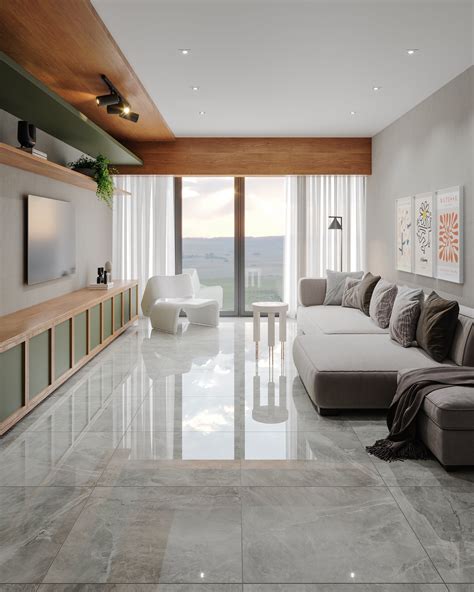
The foundation of any successful tile design begins with evaluating the natural light within your living space. North-facing American living rooms often receive cooler, subdued light, meaning light grey tiles with warm undertones help prevent the room from feeling austere. Conversely, south-facing rooms flooded with bright afternoon sunshine can easily support deeper charcoal or slate-toned ceramic tiles without feeling dark or cramped.
Beyond color depth, the surface finish plays a critical role in both visual appeal and daily practicality. Matte finishes offer a subtle, modern look that diffuses light softly and provides better slip resistance, making them ideal for busy households with children or pets. Polished ceramic tiles, on the other hand, reflect ambient illumination to make smaller living areas feel expansive and grand. Weighing these functional characteristics against your room’s architecture ensures a cohesive result.
Creative Layout Patterns to Elevate Your Floor Plan
Moving away from traditional grid installations allows you to inject unique architectural character into your living room. Large-format grey ceramic tiles create an uninterrupted, seamless visual that minimizes grout lines, making spacious suburban living areas feel even more open and modern. This clean layout works exceptionally well in transitional or contemporary American homes where minimalism takes center stage.
Alternatively, installing rectangular tiles in a classic herringbone or chevron pattern introduces dynamic movement beneath your furniture. This approach draws the eye across the room, adding a layer of subtle craftsmanship that elevates standard builder-grade interiors. Mixing tile sizes within a geometric border can also define a specific conversation zone or anchor a seating arrangement around a fireplace.
Balancing Hard Surfaces with Warm Textures and Furnishings
One of the primary concerns homeowners face when considering tile in a living room is how to maintain a cozy, welcoming atmosphere. Because ceramic tile naturally maintains a cool temperature, layering soft textiles becomes essential. Placing a thick, plush wool or textured shag area rug over the center of your tile floor instantly introduces tactile warmth and defines the primary seating layout.
Furniture selection further bridges the gap between cold hard flooring and comfortable interior design. Pairing your grey tiles with warm-toned wooden coffee tables, rich leather armchairs, or upholstered sofas in oatmeal and cream fabrics creates a sophisticated contrast. Incorporating elements like woven baskets, brushed brass lighting fixtures, and live green houseplants breaks up the monochromatic grey palette and injects organic vitality into the room.
Practical Maintenance and Climate Considerations for U.S. Homes
Living room flooring in American homes must withstand diverse seasonal shifts, from humid summers in the Southeast to freezing winter months in the Northeast. Ceramic tile excels in durability, resisting moisture and heavy foot traffic with ease. During colder months, pairing your tiled floor with a programmable underfloor heating system transforms a traditional drawback into an absolute luxury, ensuring your living space remains comfortable year-round.
Maintenance remains remarkably straightforward compared to carpet or delicate hardwood. Routine sweeping and occasional damp mopping with a gentle, pH-neutral cleaner keep grey ceramic surfaces looking pristine without requiring specialized sealing treatments. For renters or homeowners seeking a long-term investment, ceramic tile provides a low-stress, high-reward flooring solution that withstands the demands of modern household living.
Frequently Asked Questions
How do I make a grey tiled living room feel warm and cozy?
To counteract the inherent coolness of ceramic tile, layer your living room with plush area rugs, textured blankets, and upholstered furniture. Incorporating warm wood tones, ambient lighting, and rich textiles will instantly make the space feel inviting and comfortable.
What furniture styles match grey ceramic floor tiles?
Grey ceramic tiles act as a neutral canvas that complements a wide variety of furniture styles. Mid-century modern wooden pieces, contemporary leather sofas, and rustic farmhouse accents all pair beautifully with grey flooring, provided you balance the tones in the room.
Are ceramic tiles practical for living rooms in different U.S. climates?
Yes, ceramic tile is exceptionally durable and handles high humidity and temperature fluctuations well. In colder U.S. climates, many homeowners install radiant underfloor heating beneath the ceramic tiles to ensure maximum comfort during winter months.


