Choosing the right foundation for your home interiors sets the tone for every piece of furniture, wall color, and decorative accent you introduce later. Across contemporary American residential design, neutral color palettes continue to reign supreme for their adaptability and calming presence. Among these neutrals, light grey ceramic and porcelain tiles have emerged as a designer favorite. They bridge the gap between stark modern minimalism and warm traditional comfort, offering a subtle touch of elegance that works across countless architectural styles.
Whether you are renovating a historic bungalow in the Midwest or updating an open-concept suburban build, light grey tiles provide a clean slate. They bounce natural light around the room, making compact spaces feel expansive while anchoring larger floor plans without visual heaviness. Understanding how to select, install, and style these versatile surfaces ensures your interior upgrade remains stylish and functional for years to come.
The Aesthetic Appeal of Light Grey in Modern Interiors
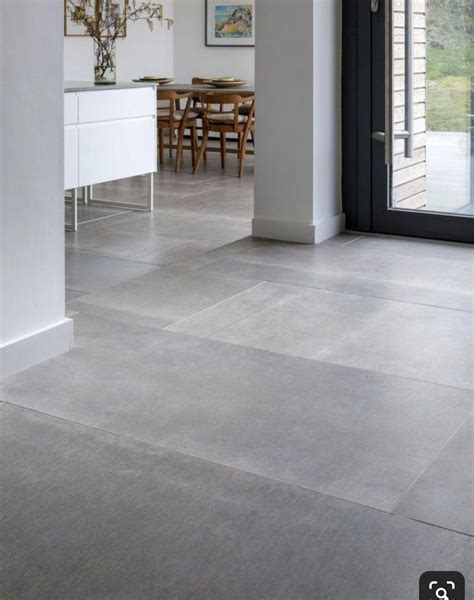
Light grey occupies a unique space in the color spectrum. It acts as a true chameleon, shifting its undertones depending on the surrounding natural light and interior elements. In homes with abundant south-facing windows, cool grey tiles absorb intense glare and instill a refreshing sense of calm. Conversely, in northern-facing rooms that receive softer, indirect daylight, light grey tiles with subtle warm or greige undertones prevent the space from feeling sterile or clinical.
Beyond color theory, the texture and finish of light grey tiles significantly influence the room’s overall mood. Matte finishes offer a tactile, grounded feel that minimizes visible footprints and slips, making them ideal for high-traffic gathering areas. Polished tiles, on the other hand, reflect overhead lighting and windows, amplifying brightness in entryways and compact bathrooms. By selecting the right finish, homeowners can tailor the tactile and visual experience of every room.
Ceramic Versus Porcelain: Choosing the Right Material
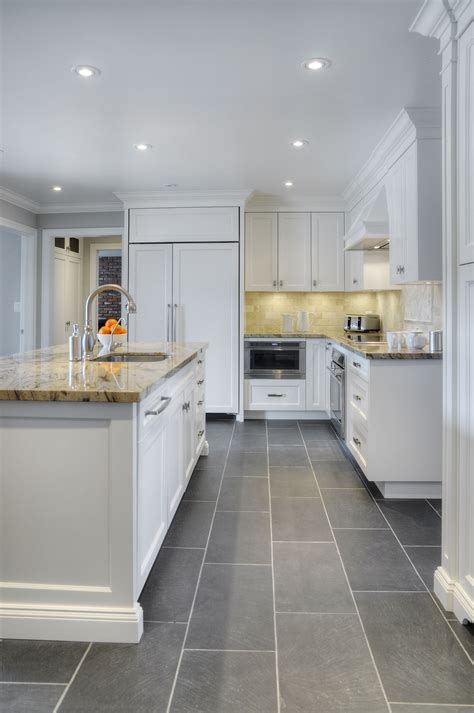
When shopping for tiles, homeowners frequently encounter a choice between ceramic and porcelain. While both materials derive from natural clay and minerals fired in a kiln, their structural composition differs significantly. Porcelain is manufactured from finer clay and fired at higher temperatures and pressures, resulting in a dense, impervious material with an absorption rate of less than 0.5 percent. This makes porcelain exceptionally resistant to moisture, frost, and heavy impacts.
Ceramic tiles are slightly more porous and traditional, making them wonderfully lightweight and generally easier to cut and install. For vertical applications like kitchen backsplashes, laundry room walls, and low-traffic powder rooms, ceramic tiles offer beauty and economy. However, for active family kitchens, mudrooms, and full bathrooms subject to heavy foot traffic and moisture, porcelain remains the gold standard for long-term durability and resistance to wear.
Room-by-Room Design Ideas for U.S. Homes
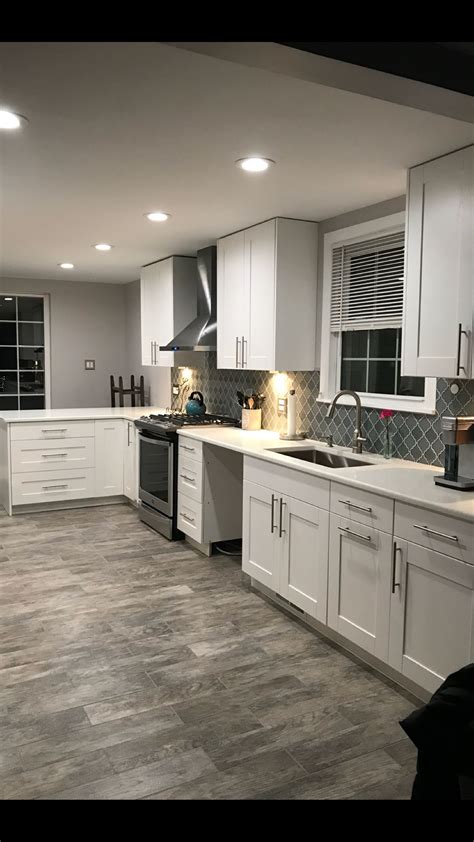
In American kitchen design, light grey flooring tiles provide a durable, stain-resistant foundation that complements popular cabinet colors like crisp white, navy blue, and natural wood tones. Large-format porcelain tiles minimize grout lines, creating a seamless, contemporary look that simplifies cleaning in cooking and dining zones. Pairing these floors with warm brass hardware and quartz countertops balances the cool nature of grey tiles.
Bathrooms benefit immensely from the spa-like tranquility of light grey surfaces. Running a continuous light grey tile from the main floor into a walk-in shower creates an unbroken visual plane that makes smaller bathroom layouts feel notably larger. Textured or patterned light grey mosaic tiles inside shower niches or on accent walls add subtle visual interest without overwhelming the senses, establishing an everyday retreat reminiscent of a boutique hotel.
Balancing and Styling Your Tiled Spaces
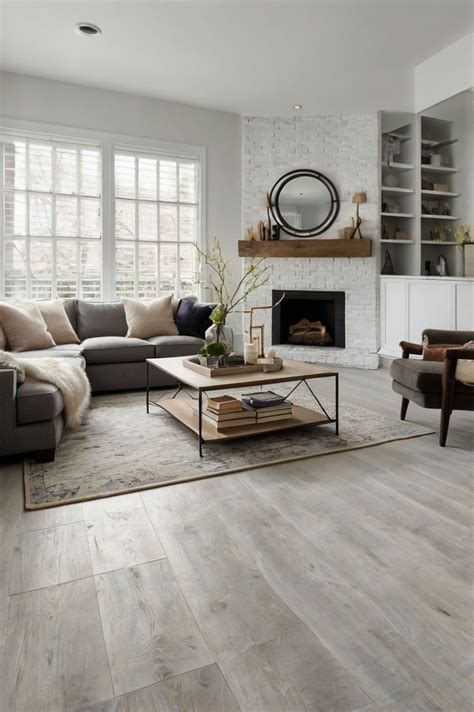
One common concern among homeowners is that grey flooring can render a room feeling cold or uninviting. Counteracting this requires layering textures and incorporating organic warmth into the design scheme. Natural wood elements—such as white oak dining tables, walnut floating shelves, or reclaimed wood accent pieces—instantly introduce earthy warmth that bridges nicely with neutral stone-look tiles.
Textiles play an equally crucial role in softening hard tile surfaces. Placing plush wool area rugs in living rooms, soft linen window treatments, and upholstered seating introduces tactile contrast. When choosing grout, avoid harsh stark white if you want a softer look; a matching light grey or warm taupe grout line creates a cohesive, high-end finish that requires less maintenance over time.
Practical Care and Maintenance Essentials
Maintaining light grey ceramic and porcelain tiles is remarkably straightforward, making them a practical choice for busy households with children and pets. Regular sweeping or vacuuming with a soft-bristle attachment prevents abrasive dirt and dust from accumulating on the surface. For routine cleaning, a mild, pH-neutral cleaner mixed with warm water applied with a microfiber mop is all that is required to keep the finish looking pristine.
While porcelain and ceramic tiles themselves resist stains effortlessly, grout lines can occasionally harbor grime if left unsealed. Applying a penetrating sealer to cement-based grout lines shortly after installation protects against moisture penetration and everyday spills. Avoiding harsh acid-based cleaners or abrasive scouring pads ensures that both your tiles and grout retain their original beauty for decades.
Frequently Asked Questions
Are light grey tiles difficult to keep clean?
Not at all. Light grey tiles actually show everyday dust and pet hair less frequently than dark charcoal or stark white flooring. Routine sweeping and damp mopping with a neutral cleaner are sufficient for daily upkeep.
Should I choose matte or polished light grey tiles for my living room?
Matte tiles are generally preferred for active living rooms because they provide better slip resistance and show fewer footprints and smudges. Polished tiles work well if you want to maximize natural light reflection in a smaller space.
Do light grey tiles make a room feel cold?
They can appear cool if paired exclusively with stark whites and metallic finishes. You can easily counteract this by introducing warm wood furniture, textured wool rugs, and soft textiles into the space.
Is porcelain tile significantly more expensive than ceramic?
Porcelain tile typically carries a higher price point than standard ceramic due to its denser composition and advanced manufacturing process, but its superior durability often provides better long-term value in high-traffic areas.


