Grey has firmly established itself as a foundational neutral in contemporary residential design, offering a sophisticated backdrop that bridges warm and cool color palettes. Whether you are updating a suburban kitchen or refreshing an urban apartment bathroom, incorporating stylish grey tiles allows you to establish a polished, enduring aesthetic. Because grey sits comfortably between stark white and heavy black, it provides incredible design flexibility across various architectural styles without overpowering your furniture or textiles.
Navigating the vast selection of grey tiles available through digital storefronts can feel overwhelming without a clear roadmap. From delicate dove-grey porcelain planks to dramatic charcoal slate mosaics, understanding how different shades, textures, and installation layouts interact will help you curate a space that feels both personal and professionally styled. By focusing on how natural light interacts with specific surface undertones, you can create a cohesive look that elevates every room in your house.
Choosing the Right Shade and Finish for Your Space
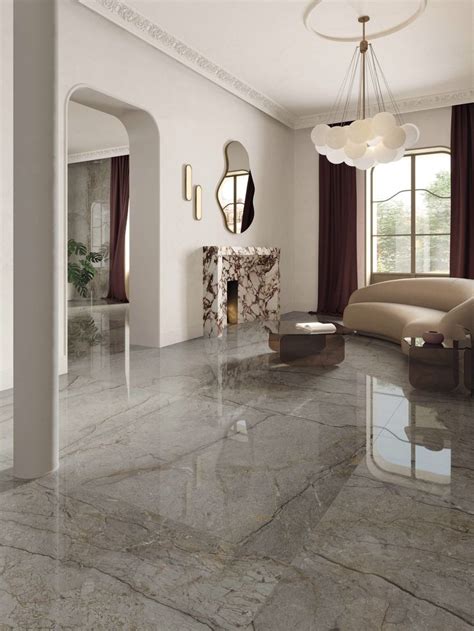
The foundation of any successful tile project begins with selecting the ideal hue and surface treatment. Lighter silvery greys naturally reflect ambient light, making compact powder rooms or galley kitchens feel significantly more open and airy. Conversely, deep charcoal and slate tones introduce drama and cozy intimacy into spacious living areas or primary bathrooms, grounding the overall interior architecture and establishing a moody, sophisticated focal point.
Surface finishes play an equally crucial role in both daily maintenance and visual appeal. High-gloss polished grey tiles bounce light around a room brilliantly but can become slippery when wet, making them better suited for vertical feature walls or low-traffic foyers. Matte finishes offer a softer, more organic tactile quality while providing superior slip resistance, making them a practical choice for busy family kitchens and bathroom floors where safety and durability are paramount.
Transforming Floors and Walls with Grey Tile Layouts
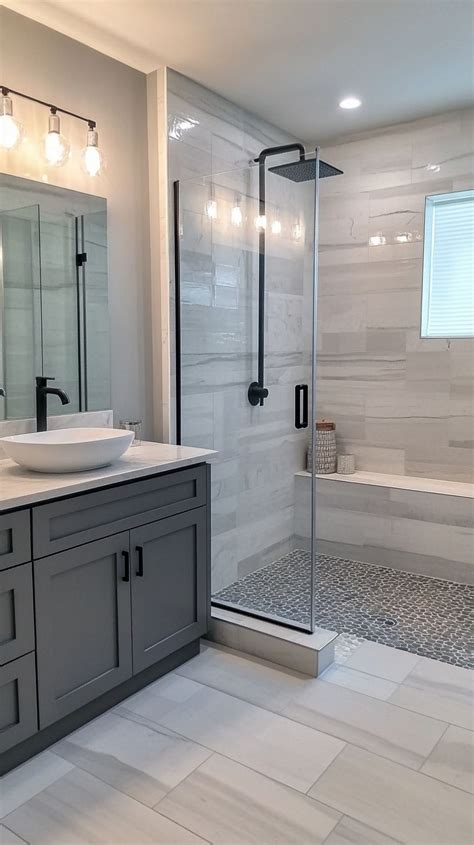
When applying grey tiles to horizontal surfaces, flooring choices must balance aesthetics with everyday durability. Large-format porcelain tiles in warm greys create seamless, modern floor expanses with minimal grout lines, which also simplifies routine cleaning and reduces visual clutter. In high-moisture zones like mudrooms or laundry rooms, textured grey stone-look tiles conceal minor dust and water spots exceptionally well, keeping your floors looking pristine between standard cleanings.
Vertical surfaces offer an exciting opportunity to experiment with pattern and scale beyond standard grid installations. A herringbone backsplash in soft dove-grey ceramic instantly elevates a kitchen by introducing subtle geometric movement without overwhelming surrounding cabinetry. Similarly, stacked grey subway tiles inside a shower enclosure create a clean, spa-like sanctuary that pairs effortlessly with brushed nickel or matte black hardware fixtures.
Smart Strategies for Purchasing Tiles Online
Shopping for heavy building materials through digital retailers offers access to an unmatched variety of global styles, but it requires careful planning to ensure a smooth delivery process. Always begin by ordering physical samples of your top three choices. Digital monitors can distort true undertones, and seeing how a specific grey reacts to your home’s unique natural lighting is essential before placing a full-scale order that you cannot easily return.
Once you finalize your favorite design, accurate measurement is critical to avoid costly project delays. Professional installers typically recommend adding a ten to fifteen percent overage buffer to your square footage calculations to account for cuts, pattern matching, and potential breakage during transit. Finally, review the retailer’s freight delivery terms, restocking fees, and damage claim policies to protect your investment if any heavy pallets arrive compromised.
Frequently Asked Questions
What shade of grey tile works best for small spaces?
Lighter, silvery, or cool-toned grey tiles work exceptionally well in small spaces because they reflect natural light and create an expansive, airy illusion. Pairing light grey tiles with matching pale grout further reduces visual clutter on floors and walls, making cramped bathrooms or galley kitchens feel noticeably larger.
Are grey tiles a passing trend or a timeless choice?
Grey has proven to be a timeless neutral rather than a fleeting trend. Because it acts as a versatile chameleon, it easily adapts to changing color schemes and decor styles over decades, much like traditional hardwood or beige stone, ensuring your investment remains relevant through future updates.
How do I choose between matte and glossy grey finishes?
Choose glossy finishes for walls, backsplashes, and low-traffic decorative areas to maximize light reflection and add a sleek sheen. Opt for matte or textured finishes on floors, especially in wet areas like bathrooms and kitchens, to ensure safety and minimize the visibility of footprints.
What should I look for when purchasing tiles online?
Always order physical samples first to check undertones, texture, and weight. Additionally, carefully review the vendor’s shipping policies regarding freight delivery, curb-drop services, and damage replacement guarantees before finalizing your order to prevent unexpected headaches.


