Selecting living room furniture in the United States often feels like navigating a maze of conflicting priorities. Whether you are leasing a downtown apartment or settling into a suburban single-family home, your living space serves as the primary hub for relaxation, entertaining, and daily living. However, the roadmap for furnishing a home looks vastly different depending on whether you rent or own. Renters generally prioritize mobility, modularity, and upfront affordability, while homeowners can focus on long-term investment, permanence, and scaling pieces to fit more generous floor plans.
Understanding how your specific housing tenure dictates your purchasing decisions prevents costly mistakes and buyer’s remorse. A bulky sectional sofa that anchors a suburban house beautifully might become an absolute logistical nightmare when trying to squeeze it up a narrow flight of stairs in a historic brownstone. By examining your spatial constraints, lifestyle needs, and future mobility upfront, you can build a cohesive, comfortable living room that serves you well today and adapts gracefully to whatever changes tomorrow brings.
The Core Dilemma: Renting Versus Owning Your Furniture Journey

The fundamental divide in furniture shopping centers on permanence and adaptability. Renters face frequent relocations, lease renewals, and wildly varying room dimensions from one address to the next. Investing heavily in custom-built, oversized, or permanent items can backfire when a cross-town move happens eighteen months later. Instead, renters benefit from focusing on lightweight silhouettes, modular pieces, and items that serve dual purposes, such as storage ottomans or nesting coffee tables that can be reconfigured in entirely new layouts.
Conversely, homeowners enjoy the luxury of permanence, allowing them to purchase heavy, heirloom-quality pieces that anchor a room for decades. When you own your property, the focus shifts toward durability, material integrity, and timeless aesthetics that withstand shifting design trends. Homeowners can comfortably invest in solid wood media consoles, heavy leather armchairs, and high-end upholstery knowing these pieces will not need to survive a freight elevator or a tight corner stairwell during an annual move.
Financial Strategies and Upfront Budgeting
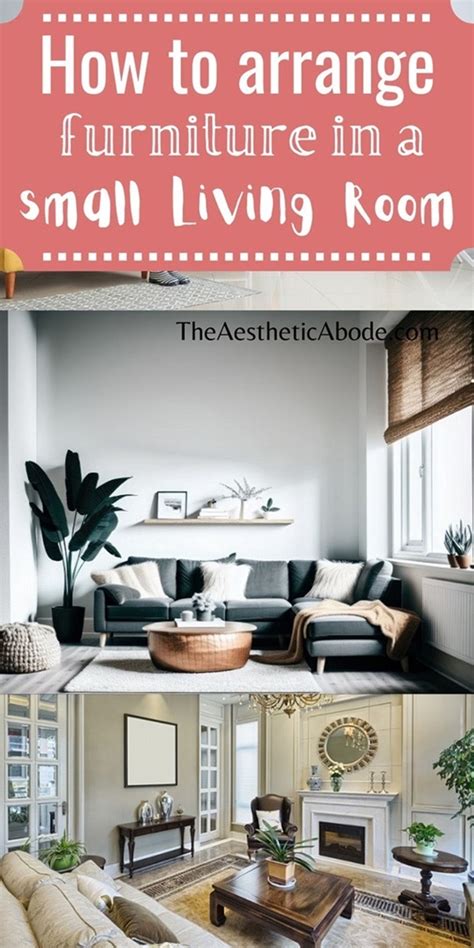
Your budget should directly reflect how long you plan to keep the furniture. Renters often find wisdom in moderate spending brackets, allocating funds toward items that easily transition to future spaces, like accent chairs, lighting, and textiles. Spending excessively on a specialized sofa tailored to a specific alcove in a rented apartment can lock you into a piece that may not fit your next living room.
Homeowners, on the other hand, can amortize the cost of high-end furniture over many years, making a larger initial investment financially sound. A well-constructed sofa with an eight-way hand-tied suspension system commands a higher price tag, but its longevity makes it a worthwhile purchase for a permanent residence where replacing living room sets every few years is neither necessary nor desirable.
Mastering Scale and Traffic Flow in Typical U.S. Floor Plans
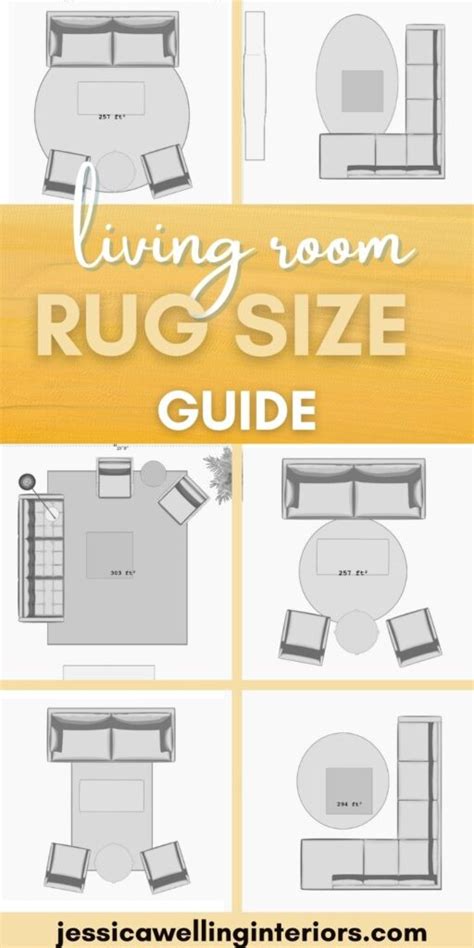
One of the most common pitfalls in American interior design is misjudging the scale of furniture relative to the room. Standard U.S. living rooms vary dramatically, from compact urban studio layouts and mid-century suburban ranches to sprawling open-concept great rooms. Before purchasing a single item, map out your floor plan using painter’s tape on the floor or digital room-planning tools. This simple step reveals whether that grand sofa leaves enough clearance for natural pathways.
Traffic flow is the invisible backbone of a functional living room. You should always maintain at least thirty to thirty-six inches of clear walking space along main pathways, ensuring people can move freely from entryways to kitchens or adjacent dining areas without dodging coffee table corners. In smaller rooms, floating furniture slightly away from the walls rather than pushing every piece against the perimeter actually creates an illusion of greater breathability and openness.
Essential Sizing Rules of Thumb
When selecting a coffee table, aim for a piece that is roughly two-thirds the length of your sofa and positioned about fourteen to eighteen inches away, ensuring drinks and remotes remain easily accessible without blocking legroom. For media setups, the center of your television screen should ideally sit at eye level when seated, typically around forty-two inches from the floor, with a media console that extends at least a few inches wider on either side than the TV itself.
Rug sizing represents another frequent stumbling block. In many American living rooms, rugs are chosen too small, floating isolated in the center of the floor like a postage stamp. A proper living room rug should be large enough to accommodate at least the front legs of all major seating pieces, anchoring the furniture group together and creating a unified visual zone within an open-concept space.
Selecting Materials and Durability for Your Household Lifestyle
Your daily routine should dictate your fabric and material choices far more than fleeting design trends. Households with energetic pets, young children, or frequent gatherings require high-performance fabrics that resist stains, moisture, and wear. Performance wovens, indoor-outdoor textiles, and tightly woven synthetic blends stand up to heavy daily use much better than delicate silks, unsealed velvets, or light-colored linens that show every smudge.
Leather remains a classic choice for durability, but different finishes behave differently. Top-grain leather develops a rich patina over time and handles minor spills well, while corrected-grain or heavily pigmented leathers offer superior scratch resistance for households with cats or dogs. If you prefer wood surfaces, consider durable hardwoods like oak, maple, or walnut over softer veneers that scratch easily under heavy everyday use.
Modular and Multi-Functional Pieces for Maximum Flexibility
Adaptability is the ultimate superpower in modern interior design, particularly for apartment dwellers and growing families. Modular sectionals allow you to swap the chaise from left to right or break the configuration apart entirely when moving into a home with a completely different architectural layout. This flexibility protects your investment against unpredictable floor plans in future rentals or newly purchased homes.
Multi-functional furniture also plays a crucial role in maximizing square footage. Storage benches, lift-top coffee tables that double as laptop desks, and sleeper sofas transform a standard living room into a versatile space capable of accommodating overnight guests or hiding away clutter in seconds. These hardworking pieces eliminate the need for excessive storage furniture, keeping smaller U.S. living rooms feeling spacious and uncluttered.
Frequently Asked Questions
What furniture should renters buy that they can easily move later?
Renters should focus on modular, lightweight pieces such as accent chairs, nesting coffee tables, modular shelving units, and standard sofas with removable legs. Avoid built-in units or oversized sectionals that are difficult to fit through standard doorways and stairwells during a move.
How do I choose durable living room furniture if I own my home?
Prioritize construction quality over superficial aesthetics. Look for kiln-dried hardwood frames, joinery reinforced with corner blocks, high-density foam cushions, and performance upholstery fabrics rated for heavy commercial or residential wear to ensure your investment lasts for decades.
How can I measure my living room correctly to avoid buying oversized furniture?
Measure the length and width of your room, noting the placement of windows, doors, radiators, and electrical outlets. Use painter’s tape on the floor to outline the exact footprint of prospective furniture pieces, and measure all entryways, hallways, and elevators to ensure delivery clearance.
What are the best multi-functional furniture pieces for small apartments?
Lift-top coffee tables that convert into dining or work surfaces, storage ottomans that hide extra blankets and pillows, and modular seating arrangements provide the highest utility without overcrowding compact living room layouts.
How much should I budget for living room furniture based on my housing tenure?
Renters should allocate modest budgets toward versatile core pieces and accent items that can transition easily to new spaces. Homeowners can allocate larger budgets toward heirloom-quality investment pieces meant to stay in the home for ten to twenty years.


