Finding efficient storage solutions in typical American homes often requires balancing aesthetic goals with architectural limitations. Whether you are leasing a garden apartment in Chicago with strict lease clauses or maintaining a suburban craftsman home in Ohio, maximizing vertical space is essential for a clutter-free environment. Traditional built-ins can be prohibitively expensive, while generic flat-pack furniture often lacks personality or durability. Fortunately, a thoughtful approach to do-it-yourself storage allows you to customize your living areas completely on your own terms.
The secret to successful custom storage lies in understanding the structural realities of your living space. Renters need innovative hanging systems and freestanding units that leave minimal traces behind upon moving out, whereas homeowners can anchor heavy-duty systems directly into wall studs for lifetime performance. By selecting the right combination of materials, hardware, and installation methods, you can construct stunning shelving and cabinetry that elevates your interior design without breaking your budget or violating lease agreements.
Renter-Friendly Shelving Without Wall Damage
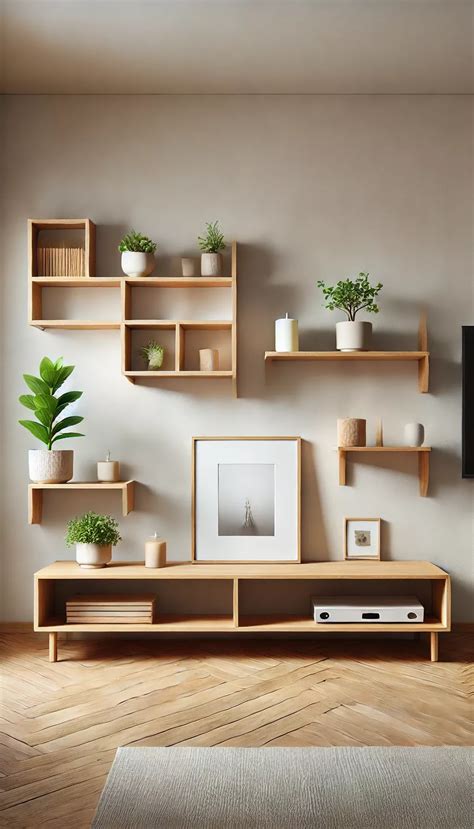
For apartment dwellers across the United States, drilling holes into drywall can trigger anxiety over lost security deposits. Fortunately, modern hardware advancements and clever tension designs mean you no longer have to live out of plastic storage bins or sacrifice display space. Tension-rod shelving systems, heavy-duty command strips, and friction-fit room dividers provide stable platforms for books, plants, and decorative objects without driving a single screw into the plaster.

When selecting tension-based solutions, look for models featuring rubberized end caps that grip painted drywall securely without marring the surface. Another creative option for renters is building a freestanding leaning ladder shelf. By anchoring a leaning ladder frame simply with a high-strength adhesive hook at the very top rail, you eliminate the risk of tipping while gaining four tiers of usable shelving space that disassembles in minutes.
Adhesive Track Systems and Over-the-Door Storage
Adhesive-backed modular track systems have revolutionized rental organization over recent years. By utilizing industrial-grade mounting tape engineered to peel off cleanly with heat from a hairdryer, you can mount lightweight acrylic or pine ledges in kitchens and bathrooms. These tracks distribute weight evenly across a broader surface area, reducing the risk of localized drywall failure.
Over-the-door cabinet organizers and hanging wire baskets represent another zero-impact strategy for cramped pantries and laundry rooms. Rather than screwing racks into hollow interior doors, heavy-duty adjustable over-the-door brackets slip over the top edge. This creates instant vertical storage for cleaning supplies, canned goods, and toiletries with zero permanent modifications required.
Custom Floating Shelves for Homeowners
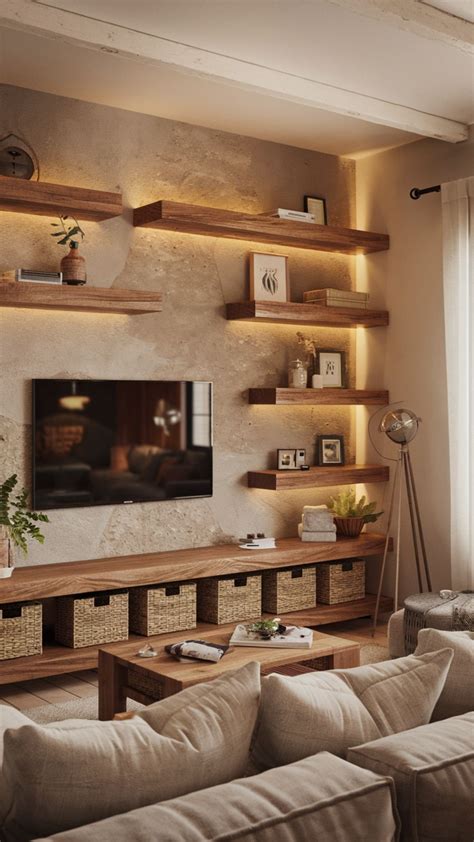
Homeowners enjoying long-term residency have the freedom to invest in permanent structural upgrades that dramatically alter the functionality and look of a room. Floating shelves provide a clean, contemporary aesthetic that makes small rooms feel open and expansive. Achieving this floating illusion requires sturdy internal steel brackets or hollow-core wooden box construction anchored securely into the wooden wall studs behind the drywall.
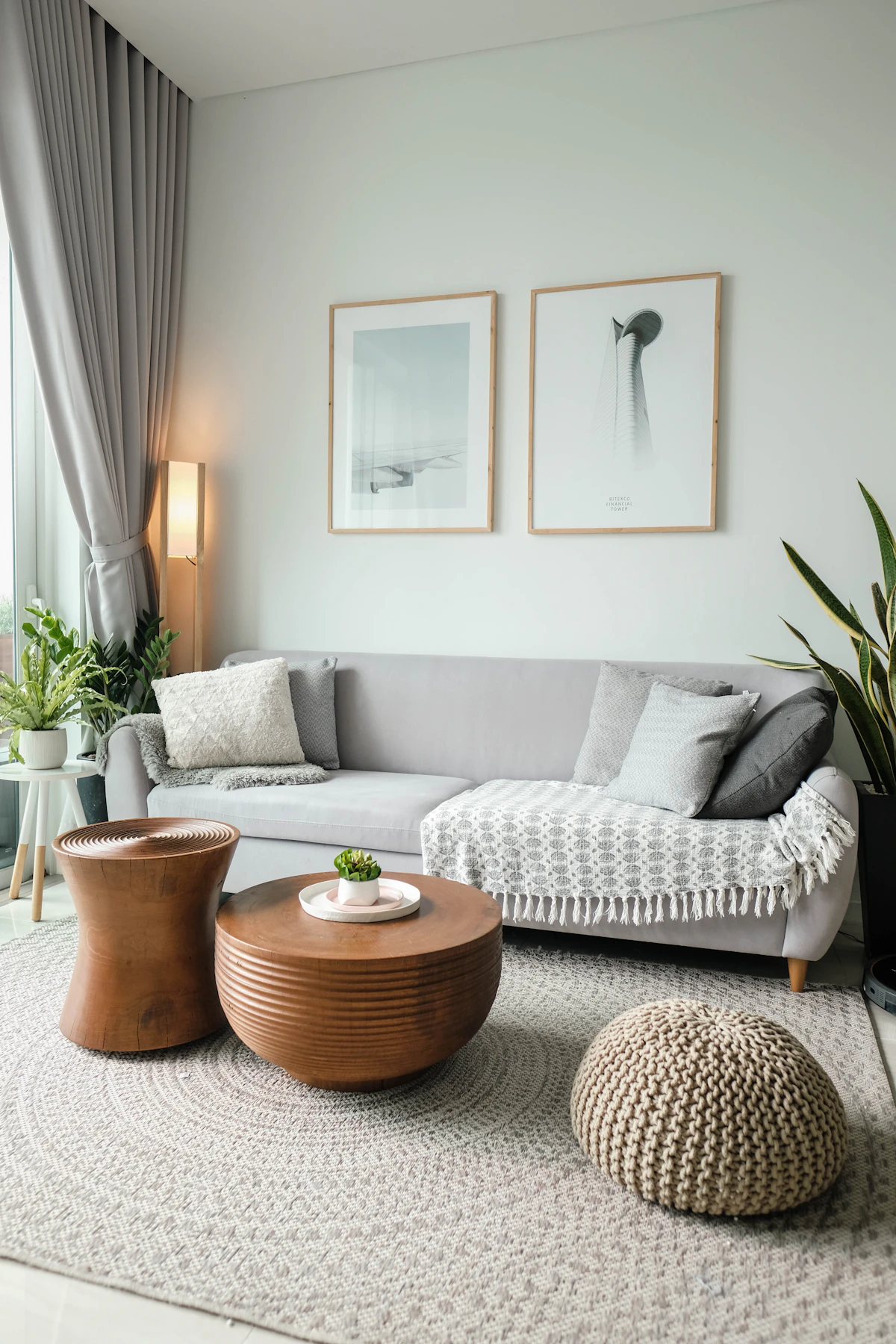
When planning a floating shelf installation, always locate your wall studs using an electronic stud finder before making any cuts or pilot holes. Standard U.S. residential framing typically features studs spaced sixteen inches on center. Securing your mounting brackets into at least two studs guarantees that your shelves can safely support heavy hardcover books, heavy ceramic dinnerware, or trailing houseplants without sagging over time.
Choosing the Right Lumber and Hardware
Selecting the appropriate lumber species significantly impacts both the appearance and structural integrity of your DIY shelves. Red oak, hard maple, and walnut offer exceptional strength and rich grain patterns, though they require more effort to cut and sand. For a more budget-friendly approach, dimensional select pine or reclaimed scaffolding boards provide wonderful rustic character when treated with a quality wood stain or matte polyurethane finish.
Never skimp on the internal mounting hardware. Blind shelf supports featuring solid steel rods and backplates provide the superior load-bearing capacity necessary for daily functional use. If you are installing shelves in a kitchen to hold dishware, choose heavy steel brackets rated for at least fifty pounds per linear foot to ensure complete peace of mind.
Budget-Friendly Cabinet Facade Makeovers
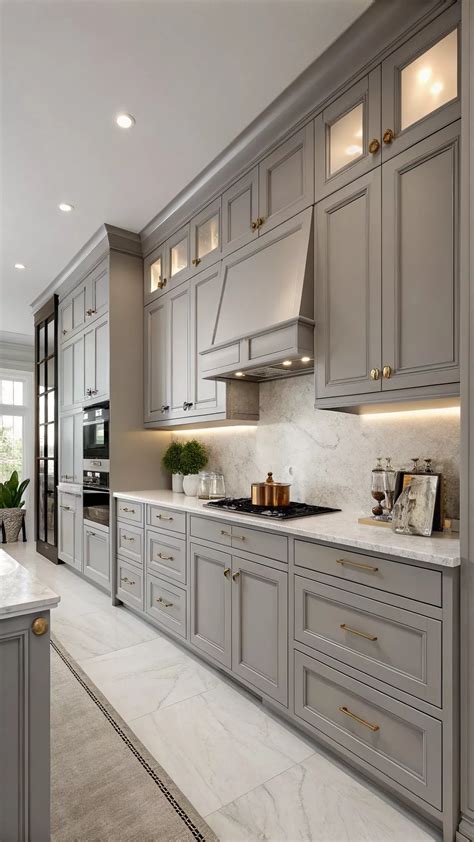
Replacing an entire run of kitchen or bathroom cabinetry can easily cost thousands of dollars and consume weeks of disruptive construction work. If your current cabinet boxes are structurally sound but visually dated, a facade makeover offers an incredible high-impact, low-cost alternative. By focusing your efforts on door refacing, fresh paint coats, and modern hardware replacement, you can achieve a custom designer look for a fraction of retail price.

Begin your cabinet update by thoroughly cleaning all grease and residue using a trisodium phosphate alternative or heavy-duty degreaser. Remove all doors and hinges, labeling them carefully so reinstallation goes smoothly. Next, apply a bonding primer specifically formulated for laminate or previously painted wood surfaces. Once primed, apply two thin coats of a durable cabinet enamel paint using a fine-foam roller to eliminate brush strokes and ensure a factory-smooth finish.
Upgrading Hardware and Adding Trim Accents
The finishing touches on any DIY cabinet project are the pulls, knobs, and decorative trim pieces. Swapping out dated brass or builder-grade oak knobs for matte black handles, brushed brass pulls, or sleek leather loops immediately modernizes the entire room. Take time to fill old screw holes with wood filler and use a cabinet hardware jig to ensure every new pull is perfectly level and aligned.
For flat-panel slab doors, you can introduce traditional shaker style flair simply by gluing and nailing thin MDF trim strips to the perimeter of each door face before painting. This simple trim technique adds depth and dimension that completely transforms plain builder-grade cabinets into sophisticated custom architectural features.
Frequently Asked Questions
How can renters install shelves or cabinets without damaging drywall?
Renters can utilize tension-rod shelving, freestanding ladder frames, and industrial adhesive tracks backed by removable mounting tape. These options provide dependable weight capacity and remove cleanly without leaving large holes or peeling paint.
What are the best lightweight materials for DIY shelving?
Dimensional pine, lightweight plywood, and hollow-core floating shelf constructions are ideal choices. They offer a great balance of structural rigidity and low weight, making them easier to mount securely using standard anchors or adhesive systems.
How do you anchor heavy shelving safely into standard U.S. drywall and studs?
Always locate wall studs using an electronic stud finder, aiming to anchor brackets directly into wooden framing whenever possible. When studs are not aligned with your desired placement, use rated toggle bolts or heavy-duty drywall anchors designed for high weight loads.
What temporary cabinet solutions work best in rental kitchens?
Freestanding pantry cabinets, rolling kitchen islands, and over-the-door organizing racks provide significant storage upgrades in rental kitchens without requiring permanent installation or drilling into existing cabinetry.
How can basic flat-pack cabinets be customized to look high-end?
You can elevate basic cabinets by applying a fresh coat of durable cabinet enamel, adding decorative trim to create a shaker-style profile, and upgrading to modern, high-quality hardware like brushed brass pulls or matte black knobs.


