Choosing the right foundation for your primary gathering space sets the tone for your entire home. Grey flooring has transitioned from a fleeting trend into a timeless neutral favorite, offering a versatile backdrop that bridges traditional warmth and modern minimalism. Whether you are planning a complete renovation or selecting finishes for a new construction project, understanding how different grey shades and materials behave in a real living room is essential for achieving a balanced, designer-inspired look.
Navigating the vast selection of grey surfaces requires looking beyond the sample board. Factors such as natural room lighting, furniture contrast, and daily foot traffic heavily influence how grey flooring performs aesthetically and practically. By carefully evaluating undertones, material durability, and textural layering, you can create a sophisticated living room that feels both welcoming and impeccably styled.
Selecting the Ideal Shade and Undertone

Grey is rarely a single, uniform color; it spans a complex spectrum influenced by underlying pigments of blue, green, beige, or violet. When evaluating grey flooring options for your living room, observe how samples shift from morning daylight to evening artificial illumination. Cool grey tones featuring subtle blue or green undertones naturally enhance a crisp, contemporary aesthetic, making spaces feel expansive, calm, and airy. However, in north-facing rooms lacking direct sunlight, these cooler hues can occasionally skew sterile if not balanced properly.
Conversely, warm grey shades—frequently referred to as greige—incorporate soft brown or taupe undertones that bridge the gap between classic beige and modern charcoal. These warmer variations naturally draw out cozy, inviting qualities in a living room, making them exceptionally forgiving when paired with traditional architectural details or plush seating. Selecting the right undertone ultimately depends on the existing architectural envelope of your home and the specific mood you want to cultivate.
Exploring Elegant Material Options
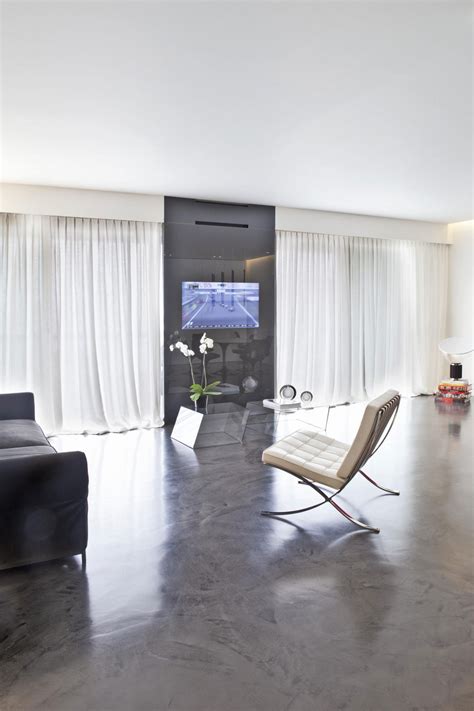
The material you choose dictates both the tactile experience and the long-term maintenance of your living room floor. White oak or European hardwood finished with a subtle grey wash delivers authentic organic grain patterns while maintaining a refined, high-end appearance. For households prioritizing maximum durability against heavy traffic, pets, or moisture, luxury vinyl plank (LVP) and engineered porcelain tiles offer impressive resistance to wear without sacrificing sophisticated visual depth.
Polished concrete and large-format grey stone tiles represent another striking avenue for modern living spaces. While these surfaces provide an undeniably sleek and architectural framework, they require thoughtful softening through decor choices. Introducing natural elements such as jute rugs, warm leather upholstery, and brushed brass accents prevents hard stone or concrete floors from feeling uncomfortably austere during colder months.
Balancing Grey Floors with Furniture and Textural Layers
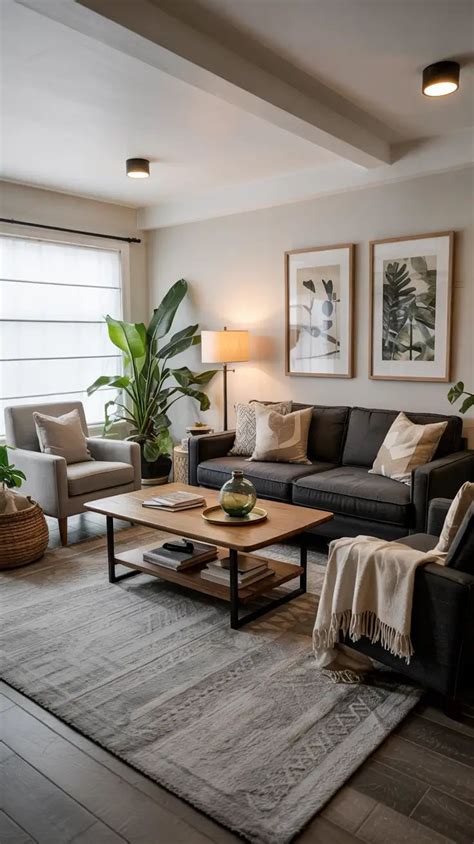
One common design challenge with grey flooring is avoiding a monochromatic or sterile environment. To establish a visually rich living room, deliberately layer contrasting textures throughout your furnishings and soft decor. Pair smooth grey hardwood or matte tile with tactile elements like bouclé armchairs, chunky knit throws, and rich velvet cushions. These additions break up large expanses of flat flooring and introduce crucial warmth and acoustic comfort.
When selecting large furniture pieces to anchor the space, consider rich jewel tones, warm wood coffee tables, or crisp cream upholstery to create a deliberate, curated contrast against the floor. Introducing organic greenery, warm metallic lighting fixtures, and natural wood shelving further anchors the cool neutrality of the room, ensuring your grey living room flooring feels intentionally designed rather than accidental.
Frequently Asked Questions
What are the best shades of grey flooring for a living room?
The best shade depends largely on your room’s natural light and existing decor. Warm grey or greige flooring offers a cozy, versatile foundation that pairs easily with traditional and modern styles. Cool grey flooring works exceptionally well in sunlit, contemporary spaces where you want to emphasize a crisp, serene aesthetic.
How do I keep a grey living room floor from looking cold?
You can successfully warm up grey floors by layering natural textures, such as woven wool rugs, warm wood tones in your furniture, leather accents, and soft textiles. Incorporating warm lighting fixtures instead of harsh bright white bulbs also transforms the atmosphere.
What furniture colors go best with grey flooring?
Grey flooring acts as a neutral canvas, pairing wonderfully with a wide spectrum of colors. Rich earthy tones like terracotta, warm caramel leather, deep navy, and crisp cream or beige upholstery create a stunning, well-balanced contrast against grey surfaces.
Which materials offer the most elegant look for grey floors?
Wire-brushed European white oak with a custom grey wash, large-format matte porcelain tiles, and luxury vinyl planks mimicking premium stone or wood grain provide both high-end aesthetic appeal and exceptional durability for daily living room use.


