Built-in living room shelving offers incredible potential for architectural character, yet it often becomes a catch-all for random household items, stray paperbacks, and forgotten knick-knacks. Transforming these architectural features from a cluttered storage wall into a sophisticated focal point requires more than just placing items randomly on wood planks. It demands a deliberate approach to composition, scale, and negative space.
Professional interior designers rely on structured frameworks rather than guesswork when tackling large shelving units. By breaking down the expansive wall into smaller, manageable compartments, you can establish visual balance and highlight your favorite decor pieces. Whether you own a historic home with original millwork or have recently installed semi-permanent built-in alternatives as a renter, mastering a few core styling formulas will instantly elevate your living space.
Start with a Clean Slate and Sort by Category
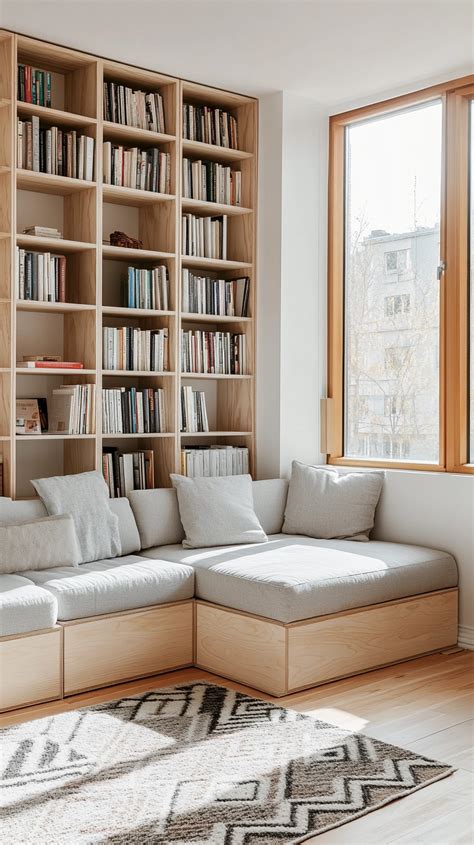
Before placing a single decorative object on your shelves, remove everything and give the entire unit a thorough cleaning. Dust accumulation is especially noticeable on dark wood or painted millwork, so starting with a pristine surface sets the right foundation. Once the shelves are completely empty, take a careful inventory of your belongings, grouping items into distinct categories such as books, framed art, ceramics, sculptural objects, and organic elements.
Categorizing your items allows you to evaluate your inventory honestly before styling begins. You may discover that you have an overabundance of small trinkets but lack larger anchor pieces, or that your book collection leans heavily toward one color family. This crucial preparation step helps you identify missing elements—such as a large statement vase or solid brass bookends—before you get halfway through the arrangement process and realize your compositions feel flat or disconnected.
Establish Your Foundation with Books
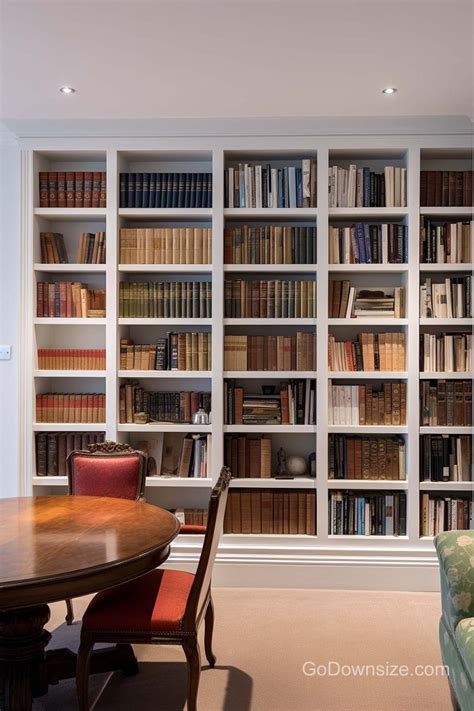
Books serve as the heavy-duty structural anchors of any built-in shelf arrangement, providing both mass and color variation. Instead of lining up every volume in traditional library rows, mix your stacking methods to create visual rhythm. Group a selection of books vertically, using heavy bookends to keep them secure, and lay other clusters horizontally to create flat platforms for smaller decorative objects to sit upon.
When organizing your book collection, consider removing paper dust jackets to reveal the clean, neutral textures of the hardcovers underneath. You can also organize books by color family for a cohesive, high-end look, or keep them arranged naturally if you prefer a collected-over-time aesthetic. Alternate the placement of these book blocks across different shelves—positioning a heavy stack on the left side of a middle shelf, then balancing it with a stack on the right side of the shelf above or below it.
Layer Art and Focal Point Objects
Once your books are distributed evenly, introduce larger decorative objects and framed art pieces to act as focal points. Lean small- to medium-sized framed prints or canvases against the back wall of the shelves, allowing taller objects in front to slightly overlap the frames. This overlapping technique adds incredible depth and prevents your built-in unit from looking like a flat, two-dimensional display.
Select objects with varying heights, textures, and material finishes to keep the eye moving across the entire wall. Pair smooth ceramic vases with rough-hewn wooden bowls, or shiny metallic sculptures with matte stone candle holders. Remember to embrace negative space by leaving portions of the back wall entirely visible; crowding every single inch of shelving creates immediate visual fatigue and undermines the polished look you want to achieve.
Apply the Rule of Odds and Scale
A time-tested interior design secret for creating naturally appealing displays is the rule of odd numbers. Items arranged in groups of three or five feel more dynamic and pleasing to the eye than even groupings of two or four. When styling a shelf compartment, combine objects of varying heights so they form a gentle triangle rather than standing in a rigid, uniform line.
Scale is equally critical when arranging accessories within large built-in cubbies. Avoid using too many tiny objects, which can make the shelves look messy and chaotic from across the room. Instead, rely on a few substantial anchor pieces supported by carefully chosen medium-sized accents. If a particular shelf compartment feels too empty, scale up the surrounding decor rather than filling the gap with numerous small, unrelated items.
Incorporate Greenery and Soft Lighting
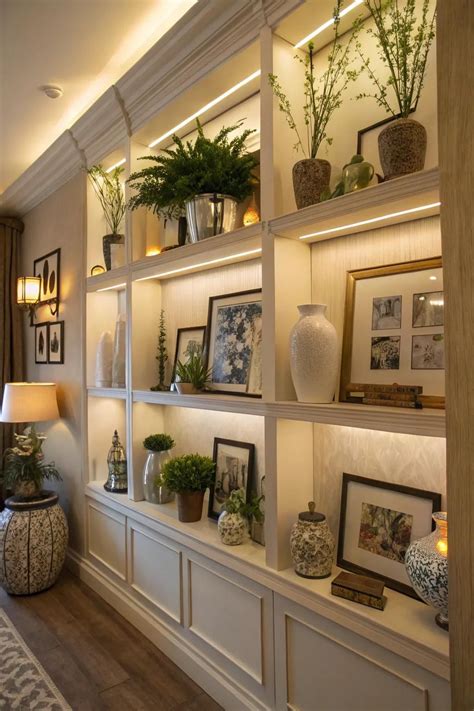
No built-in shelf styling is truly complete without the life-affirming touch of organic elements and thoughtful lighting. Introduce trailing houseplants like pothos or heartleaf philodendron on upper shelves, allowing their vibrant green vines to cascade downward and soften the hard lines of the woodwork. If your living room lacks sufficient natural light, consider placing small faux succulents or dried botanical stems in ceramic urns.
Lighting plays a transformative role in highlighting your carefully curated displays. If your built-in unit includes hardwired picture lights or recessed puck lights, use them in the evening to create warm, inviting shadows. For renters or those without built-in electrical wiring, battery-operated puck lights or sleek rechargeable picture lights mounted effortlessly to the shelving fascia can deliver the exact same high-end ambiance.
Frequently Asked Questions
How do I start styling empty built-in shelves without feeling overwhelmed?
Begin by removing everything from the shelves and cleaning the surfaces. Group your decor items by category—such as books, art, and sculptural pieces—and work on one shelf compartment at a time, treating each section like its own mini composition rather than stressing over the entire wall at once.
Should I organize my books vertically or horizontally on built-ins?
A balanced mix of both vertical and horizontal stacking yields the best aesthetic results. Use vertical groupings with bookends to anchor one side of a shelf, and lay horizontal stacks of three to five books elsewhere to create stable platforms for displaying smaller decorative objects on top.
How can I prevent my built-in shelves from looking cluttered?
The secret to avoiding clutter is embracing negative space and limiting the number of small trinkets you display. Leave portions of the back wall visible, edit out items that do not fit your cohesive color palette, and rely on a few larger statement pieces instead of dozens of tiny accessories.
What are the best decorative accessories to use on living room shelves?
Versatile accessories include hardcover books with dust jackets removed, framed art pieces leaned against the back wall, ceramic or stone vases with interesting silhouettes, sculptural metallic objects, and trailing houseplants that add organic texture and movement.


