Balancing daily clutter with a polished, welcoming interior can feel like a constant challenge, especially in modern American living rooms where open-concept layouts leave everything on display. Instead of relying on expensive custom cabinetry or generic retail bins that fail to fit your exact floor plan, building your own custom organization features provides an empowering alternative. Creative do-it-yourself storage allows you to reclaim wasted floor space, hide away unsightly electronics, and express your personal design aesthetic through tailored materials and finishes.
Whether you reside in a spacious suburban house with soaring ceilings or a compact urban apartment where every square foot counts, thoughtful organization starts with understanding your specific layout constraints. By combining multifunctional furniture builds, vertical display options, and clever concealment strategies, you can transform a chaotic gathering space into an orderly sanctuary. Best of all, approaching these projects with a clear plan ensures that your storage additions enhance the room’s overall visual balance rather than crowding the space.
Building Multifunctional Furniture for Maximum Utility
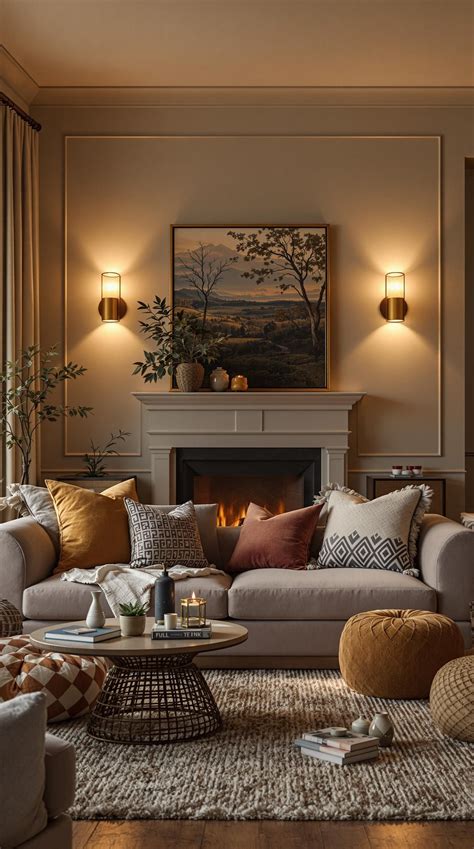
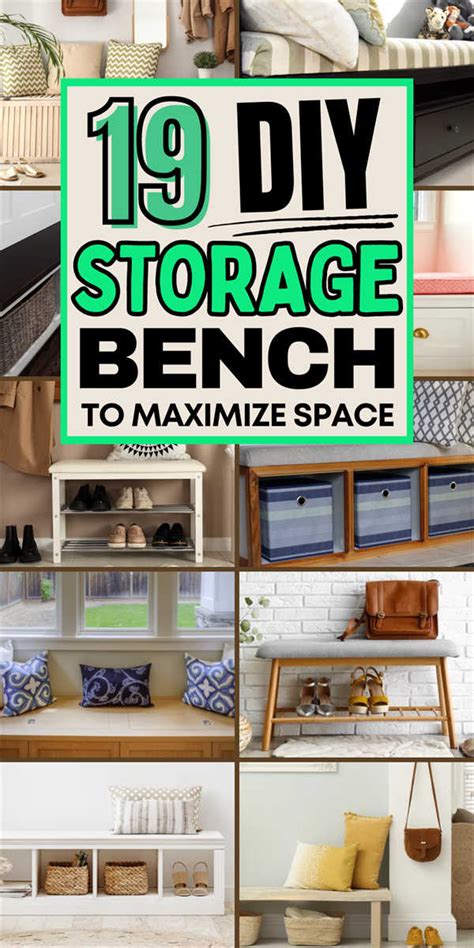
When floor space is at a premium, every single piece of furniture in your living room should ideally serve more than one purpose. Standard coffee tables and seating units often represent wasted volumetric capacity that could easily house extra throw blankets, board games, or children’s toys. Constructing a DIY storage bench or modifying an existing wooden coffee table with hinged lift-tops creates hidden capacity while anchoring the room’s seating arrangement.
To tackle a custom storage ottoman or bench, source untreated pine boards and heavy-duty hinges from your local hardware store. By wrapping the wooden base in high-density upholstery foam and durable fabric such as canvas or textured linen, you gain a comfortable seating option that completely conceals bulky items. When planning your build, always verify interior dimensions to ensure your largest storage items fit comfortably beneath the lid without straining the hardware joints.
Maximizing Vertical Space Through Smart Wall Storage
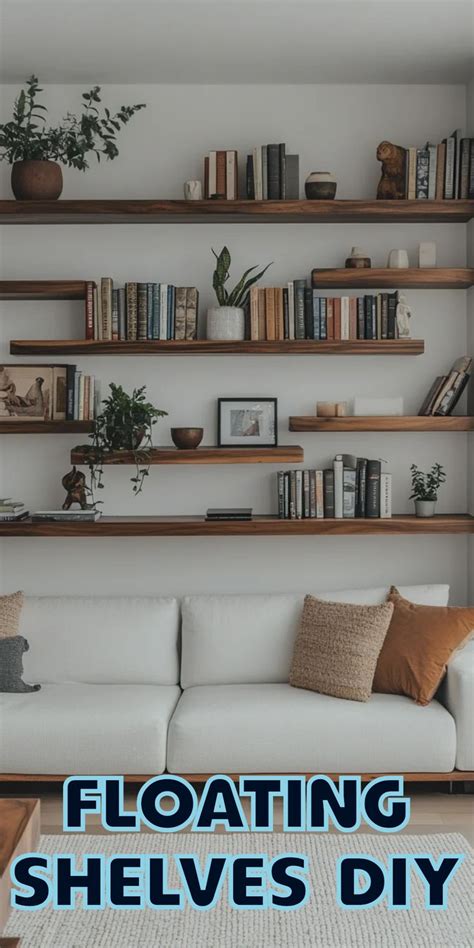
Floor clutter frequently accumulates simply because wall surfaces are left underutilized. Expanding upward draws the eye toward the ceiling, creating an illusion of grandeur while keeping everyday necessities safely out of the way of pets and small children. Installing custom floating shelves or mounting sturdy woven baskets directly to drywall provides an airy display alternative to bulky bookcases that dominate standard room perimeters.
Safety must remain the primary consideration whenever you hang heavy shelves or wall organizers in American homes. Always locate your wall studs using an electronic stud finder and drive structural screws directly into the framing whenever possible. If you must mount items on hollow drywall, invest in rated toggle bolts rather than plastic anchors to prevent sagging over time. Style your vertical shelves by mixing vertical books with decorative ceramic vessels and trailing plants to soften the stark lines of the hardware.
Rental-Friendly DIY Solutions Without Permanent Damage
Renters often struggle to find meaningful storage solutions due to strict lease clauses prohibiting holes in the walls or permanent built-in modifications. Fortunately, contemporary hardware innovations and clever modular concepts make it entirely possible to organize a rental living room without risking your security deposit. Freestanding tension shelving units, modular cube storage systems, and heavy-duty adhesive wall tracks offer remarkable versatility without requiring a power drill.
If you want the look of built-in shelving without altering the structural walls, consider assembling modular pine cube organizers and securing them together into a unified credenza. You can elevate standard big-box store cubes by adding custom wooden trim around the edges, painting the exterior in a moody, sophisticated hue, and adding stylish brass pulls. Placing large decorative baskets inside the lower cubbies makes it effortless to sweep up daily clutter before guests arrive.
Concealing Clutter with Clever Aesthetic Camouflage
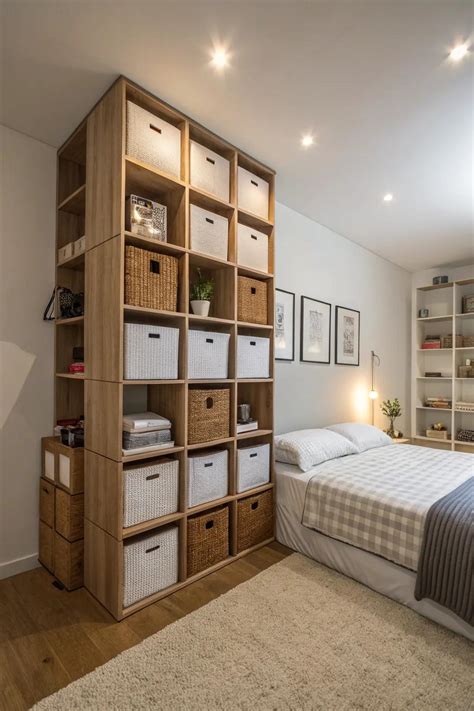
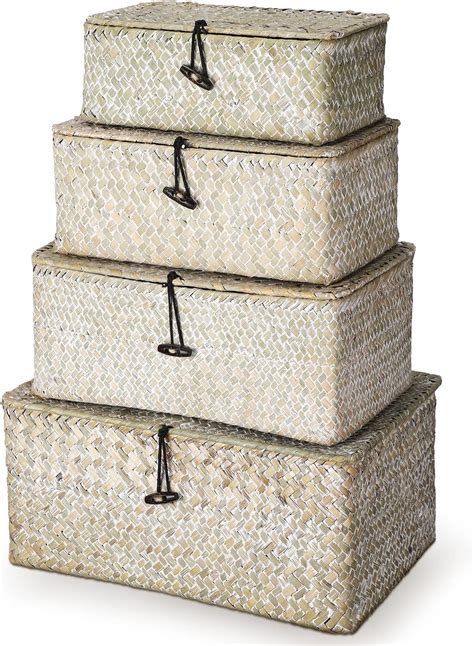
True organization goes beyond simply buying containers; it involves curating a visual rhythm that minimizes visual noise. Open shelving can quickly look chaotic if every single souvenir, cord, and remote control remains exposed to the room. Integrating woven seagrass baskets, lidded wooden crates, and fabric storage boxes introduces tactile warmth while completely hiding the less glamorous aspects of daily living.
Media components and tangled charging cords are frequent culprits behind living room disarray. A budget-friendly way to manage this is upcycling an old vintage wooden crate into a sleek router and cord management station by drilling discreet ventilation holes in the back. Place the modified crate on your media console or tuck it neatly beneath a side table. This simple adjustment keeps cords tidy and dust-free while maintaining an organic, curated aesthetic that complements modern decor trends.
Frequently Asked Questions
What are some creative DIY storage solutions for small living rooms?
Small living rooms benefit immensely from vertical storage builds, such as floating corner shelves, and multifunctional furniture pieces like lift-top coffee tables or storage ottomans. These projects utilize dead space and keep everyday items hidden from view.
How can I add living room storage without drilling holes?
Renters can utilize freestanding modular cube units, tension-rod shelving systems, and heavy-duty freestanding bookcases. You can also anchor heavy freestanding furniture safely using furniture straps designed to minimize wall damage.
What materials do I need for basic living room organization DIYs?
Standard beginner projects typically require untreated pine boards, wood glue, finishing nails or screws, sandpaper, paint or wood stain, and basic hardware like hinges or shelf brackets. Always check your local hardware store for project-cut lumber services if you lack a saw at home.
How do I balance aesthetics and functionality in living room storage?
Achieve balance by pairing concealed storage—such as lidded boxes and closed cabinets—with open display areas for curated items like books and plants. Use cohesive color palettes and natural textures to tie the storage units into your overall room design.


