Designing a living room that successfully balances everyday comfort with sophisticated visual appeal often begins with a single foundational decision: selecting the right anchor furniture. Whether you reside in a spacious suburban home or a compact urban apartment, high-quality furniture selections set the architectural tone and functional rhythm of the entire room. Instead of viewing individual sofas, armchairs, and tables as isolated items, approaching them as an interconnected ecosystem allows you to create a cohesive environment that stands the test of time.
Achieving this balance requires careful attention to scale, proportion, and traffic flow. When premium craftsmanship meets thoughtful interior planning, your living space transforms from a simple area for watching television into an inviting sanctuary for gathering, relaxing, and entertaining. By evaluating your room’s natural light, architectural quirks, and daily usage patterns, you can curate a layout that maximizes both beauty and utility without feeling crowded or sterile.
Choosing the Right Anchor Pieces for Your Room Layout
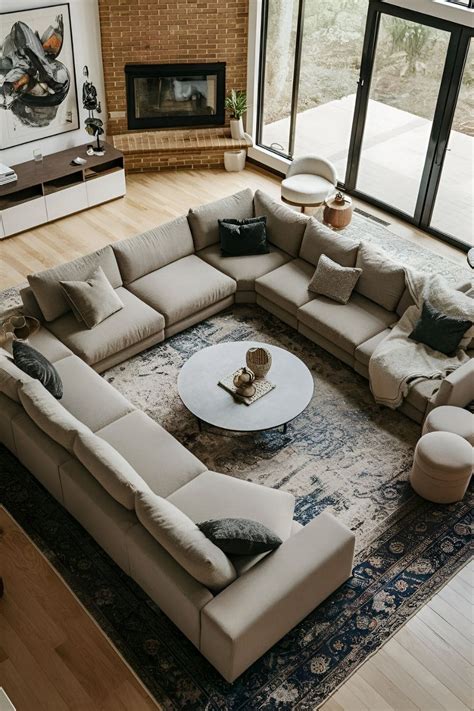
The foundation of any successful living room design rests on its anchor pieces—typically a substantial sofa, a distinctive media console, or a striking accent cabinet. Selecting these items requires looking beyond a single furniture showroom floor and visualizing how the pieces will occupy your specific square footage. For larger rooms, a deep-seated sectional or a matching sofa and loveseat combination provides visual weight and defines conversational zones. In contrast, smaller spaces benefit immensely from tailored sofas with exposed legs, which allow light to pass underneath and maintain an open, airy atmosphere.
When integrating premium wood finishes or tailored upholstery into your layout, consider the existing architectural elements of your home, such as crown molding, window placements, and flooring materials. Dark walnut or rich cherry wood tones bring traditional warmth and gravitas to a room, while lighter oak or weathered finishes lend an organic, contemporary softness. The goal is to establish a dialogue between the furniture and the architecture, ensuring that heavy statement pieces do not block natural pathways or overwhelm focal points like fireplaces and large windows.
Balancing Seating Arrangements for Maximum Comfort
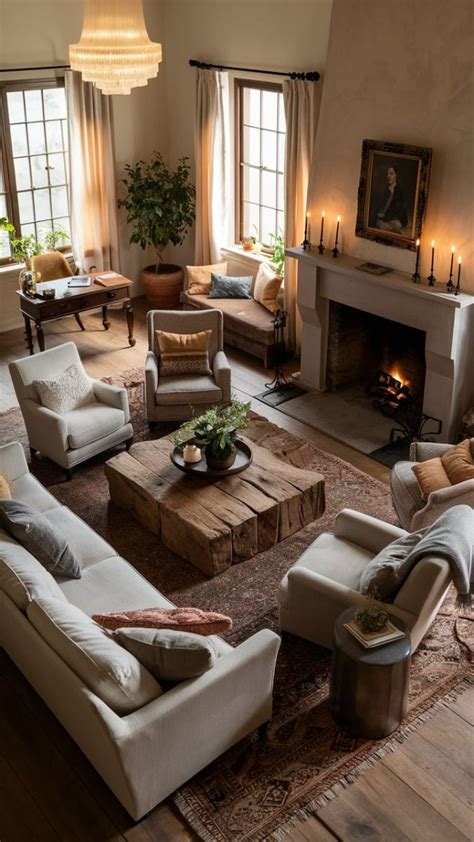
Creating a functional seating arrangement involves striking a delicate balance between visual symmetry and ergonomic comfort. Rather than pushing every piece of furniture flat against the perimeter walls—a common mistake in both small apartments and large houses—pulling seating slightly inward fosters an intimate conversational circle. Pair a generous primary sofa with two contrasting armchairs placed at thoughtful angles to encourage natural interaction and relaxed body posture.
Traffic flow is another critical consideration when arranging your seating groups. Ensuring there is a clear, unobstructed path of at least thirty inches between coffee tables and sofas prevents the room from feeling cramped or difficult to navigate. If you frequently host guests, incorporating versatile secondary seating, such as upholstered ottomans or lightweight stools, provides flexible options that can be easily tucked away when not in use.
Integrating Textures, Colors, and Complementary Decor
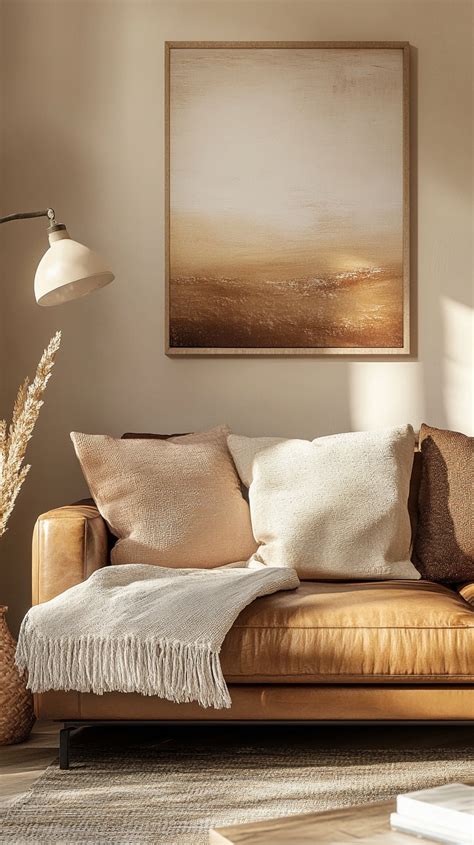
Once your primary furniture pieces are comfortably situated, the next step involves layering textures and colors to build depth and visual interest. High-end furniture often features exceptional detailing—such as hand-tufted upholstery, nailhead trim, or intricate wood grain patterns—which serves as a natural starting point for your textile palette. Layering tactile elements like heavy linen drapery, woven wool rugs, and plush velvet throw pillows prevents a neutral room from feeling flat and introduces a sophisticated sensory experience.
Color harmony should be approached with restraint and intention, allowing your anchor furniture to shine without competing with overly loud decorative accents. If your seating features a neutral, high-performance fabric, you can introduce seasonal splashes of color through artwork, ceramic vases, and decorative throws. For those renting their living spaces, relying on textiles and movable accent furniture rather than permanent wall treatments ensures you can easily take your curated aesthetic with you when you move.
Maximizing Functionality Without Sacrificing Style
Modern living spaces frequently have to work overtime, serving as home offices, play areas, and entertainment zones simultaneously. Selecting furniture with hidden storage capabilities or dual purposes is essential for maintaining a clutter-free environment. Coffee tables with lift tops, storage ottomans, and media cabinets with cord-management systems allow you to conceal everyday clutter while preserving a polished, curated aesthetic.
Balancing utility with elegance means refusing to compromise on visual standards for the sake of storage alone. Invest in multi-functional pieces constructed with the same rigorous craftsmanship as your primary seating. A well-built wooden storage bench can double as extra seating during gatherings while keeping extra throw blankets neatly tucked away out of sight, proving that practical living and refined design can effortlessly coexist.
Frequently Asked Questions
How do I choose the right sofa size for a small living room?
Measure your total floor space and allow at least 30 inches of clearance around the perimeter for walking paths. For smaller rooms, choose a sofa with slim arms and exposed legs to create the optical illusion of more floor space.
What is the best way to arrange living room furniture for conversation?
Arrange your main sofa and accent chairs facing one another or in a gentle U-shape rather than pushing all seating against the walls. Keep seating close enough—typically within 8 feet of each other—to allow normal-volume conversation.
How can renters incorporate high-end furniture styles into temporary spaces?
Focus on movable anchor pieces like statement sofas, accent chairs, and coffee table sets rather than permanent built-ins. You can easily bring these heirloom-quality items with you when relocating, making them a smart long-term investment.
How do I mix different wood finishes in the same room?
To successfully mix wood finishes, ensure they share a similar undertone (either warm or cool) and vary the visual weight. For instance, pair a dark walnut coffee table with a lighter oak media console to keep the room dynamic rather than matching everything identically.


