Creating a living room that feels genuinely warm, comfortable, and deeply inviting often starts with the furniture you choose and how you bring the space together. For many American homeowners and renters, the ideal living area needs to balance everyday functionality with a relaxed aesthetic. Opting for pre-assembled living room furniture removes the frustration of complicated flat-pack assembly while offering an immediate foundation for comfort. When selected with careful attention to scale, texture, and layout, ready-made pieces can look just as curated and bespoke as custom-built alternatives.
Achieving that desired cozy atmosphere relies on softening the lines of manufactured furniture with thoughtful layers of textiles, warm lighting, and natural elements. Standard American living rooms often feature open-concept layouts or traditional rectangular proportions that require intentional zoning. By understanding how to select durable, well-proportioned statement pieces and arrange them for effortless conversation, you can turn any standard room into a welcoming sanctuary for family and guests alike.
Selecting the Right Scale and Proportion for American Floor Plans
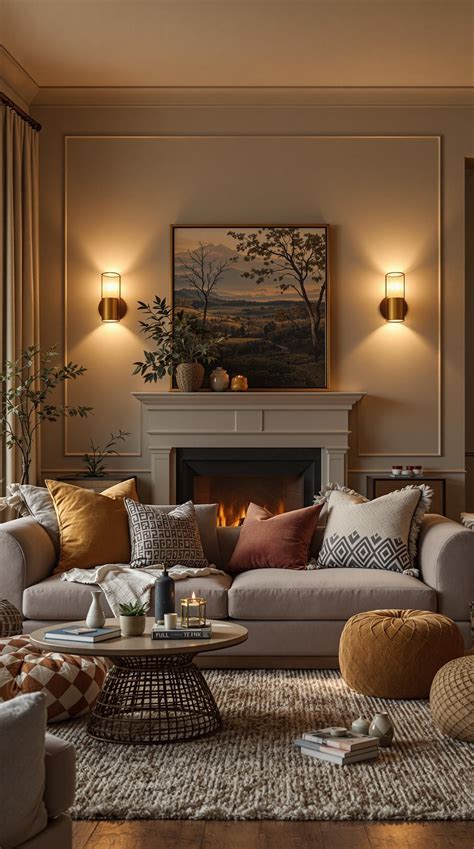
Standard American living spaces vary widely, ranging from sprawling suburban open-concept great rooms to compact urban apartments. When shopping for assembled furniture, scale is the single most critical factor in determining whether a room feels harmoniously cozy or cramped and chaotic. Oversized sectionals can easily overwhelm a moderate suburban living room, while undersized loveseats may look lost in a high-ceilinged craftsman home. Measuring your room dimensions accurately before browsing ready-made options ensures that your main seating anchors the space without blocking natural traffic flow.
Pay close attention to ceiling heights and architectural features such as fireplaces, large windows, and built-in shelving units. Pre-assembled sofas and media consoles should complement these permanent fixtures rather than compete with them for visual weight. Selecting low-profile furniture can make standard eight-foot ceilings feel airier, whereas medium-toned wood finishes or neutral upholstered frames provide a versatile backdrop that adapts easily as your personal decor style evolves over the seasons.
Arranging Seating to Encourage Natural Conversation
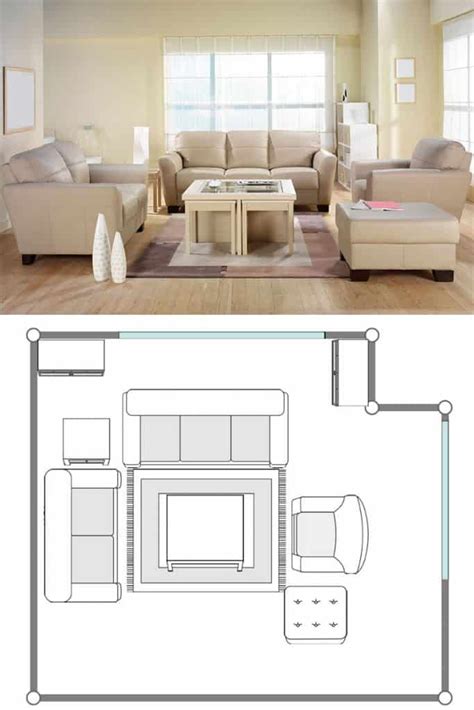
The layout of your living room furniture dictates how people move, interact, and relax within the space. To cultivate a truly inviting environment, arrange your assembled seating pieces to encourage face-to-face communication rather than pushing every chair and sofa directly against the perimeter walls. In a typical open-concept American home, a well-placed sofa paired with two armchairs angled inward can create an intimate conversation hub that naturally defines the living zone separate from the dining or kitchen areas.
Maintain comfortable pathways of at least thirty inches around your furniture clusters so the room remains easy to navigate during family gatherings or casual hosting. Grounding the entire seating arrangement with a generously sized area rug helps unify disparate pre-assembled pieces into a single, cohesive zone. When your coffee table is positioned within easy arm’s reach of every seat, the room instantly functions better for everyday living, whether you are setting down a steaming mug of coffee or opening a favorite book.
Layering Textures and Tactile Fabrics for Instant Warmth
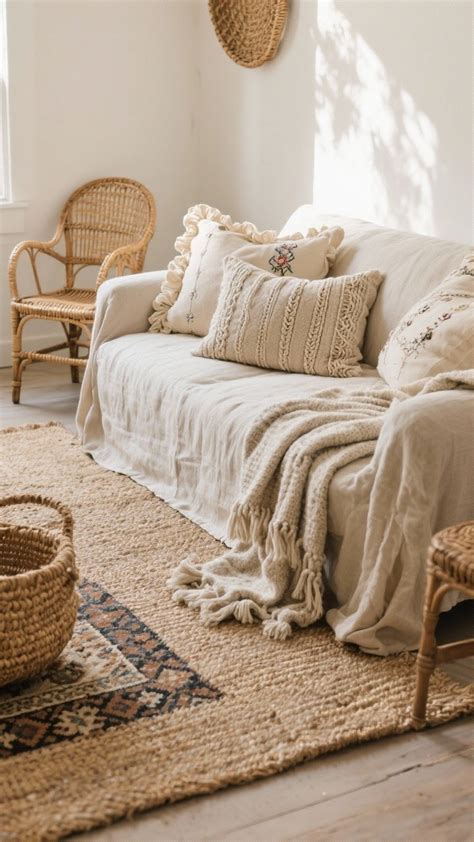
Manufactured furniture often features smooth woods, sleek metals, or standard woven upholstery that can sometimes feel sterile if left unstyled. The secret to making assembled living room furniture feel warm and lived-in lies in layering rich, tactile fabrics throughout the space. Introduce contrast by pairing a smooth leather or linen-blend sofa with chunky knit throw blankets, velvet accent pillows, and woven jute or wool floor coverings that engage multiple senses at once.
Consider incorporating natural materials such as rustic oak side tables, stone accent pieces, or hammered metal lamps to break up monochromatic finishes and add organic character. These tactile elements soften the rigid geometries of ready-made furniture, adding visual depth and physical comfort. By thoughtfully combining materials that invite touch, you transform a standard furniture setup into a deeply comforting retreat that feels personal and welcoming.
Illuminating Your Space with Layered Ambient Lighting
Lighting plays a monumental role in setting the emotional tone of a living room, shifting a space from harsh and clinical to soft and serene. Relying solely on overhead ceiling lights often flattens a room and highlights the uniformity of ready-made furniture. Instead, build a warm, layered lighting scheme by combining table lamps on sideboards, a sculptural floor lamp near a reading chair, and perhaps subtle accent lighting to highlight architectural details or artwork.
Choose lightbulbs with a warm color temperature ranging between 2400K and 2700K to mimic the golden glow of natural sunset or fireplace embers. Dimmers installed on main light fixtures allow you to adjust the brightness dynamically depending on whether you are hosting a lively game night or winding down with a quiet movie. This thoughtful approach to illumination enhances the rich textures of your assembled furniture and makes the entire room feel undeniably cozy.
Frequently Asked Questions
How can I make pre-assembled furniture look unique and personalized?
You can easily customize ready-made furniture by swapping out standard cabinet hardware, adding high-end throw pillows and blankets, and styling surrounding surfaces with personal mementos, art, and books. Layering these unique accents breaks up the manufactured look.
What is the best furniture arrangement for an open-concept living room?
Floating your main seating group away from the walls is ideal for open-concept spaces. Use a large area rug to anchor the sofa and armchairs together, creating a distinct conversation zone while maintaining clear walking paths around the perimeter.
How do I choose the correct rug size for my living room furniture?
As a general rule, your area rug should be large enough to accommodate at least the front legs of all major seating pieces. This anchors the furniture collection and visually expands the perceived boundaries of the room.
What materials add the most warmth to a living room?
Natural woods, woven natural fibers like jute and sisal, brushed brass, textured wools, and tactile upholstery fabrics such as bouclé or velvet instantly introduce warmth and comfort to a space dominated by manufactured furniture.


