Finding furniture that bridges the gap between generous comfort and modest physical proportions is one of the greatest challenges for urban renters and suburban homeowners alike. Standard full-size sofas often overwhelm cozy floor plans, leaving little room for side tables, accent chairs, or smooth pathways. Entering a room dominated by an oversized couch immediately shrinks the visual volume of your living area, making even an open-concept layout feel cluttered. This is where a thoughtfully selected loveseat steps in as a powerhouse of functional interior design.
A well-proportioned loveseat offers intimate seating for two without dominating the architecture of the room. Across standard American housing layouts—from historic brownstones in the Northeast to modern suburban garden apartments in the Sunbelt—spatial efficiency dictates how comfortable a home truly feels. When you prioritize a compact footprint, you open up valuable square footage for storage, movement, and personal expression. The secret lies in understanding how to match dimensions, fabrics, and configurations to your specific lifestyle needs.
Understanding Scale and Spatial Constraints in American Homes
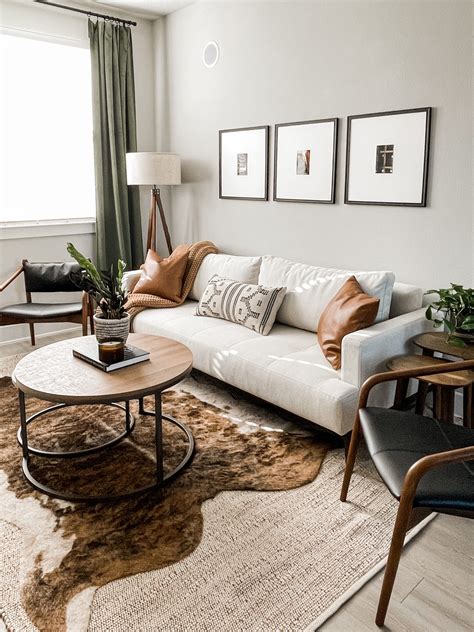
Before browsing for furniture, it is essential to analyze the unique spatial realities of typical American living rooms. Older construction often features awkward architectural transitions, narrow entryways, and radiator placements that limit where furniture can rest. Conversely, modern open-plan apartments may lack defined boundaries, requiring your seating arrangement to create psychological zones without building physical walls. Choosing a loveseat that respects these architectural quirks ensures your living area maintains a balanced, breathable atmosphere rather than looking cramped.
Standard full-size sofas typically measure between 84 and 96 inches in length, whereas a dedicated loveseat usually spans from 48 to 65 inches wide. This significant difference in scale gives you the flexibility to float furniture away from walls or pair two smaller pieces in an L-shaped configuration. When assessing scale, always consider the visual weight of the frame. Exposed wooden legs and a slim profile create an illusion of airiness, allowing light to flow underneath the piece and making compact rooms feel considerably more expansive.
How to Measure Correctly for Your Compact Loveseat
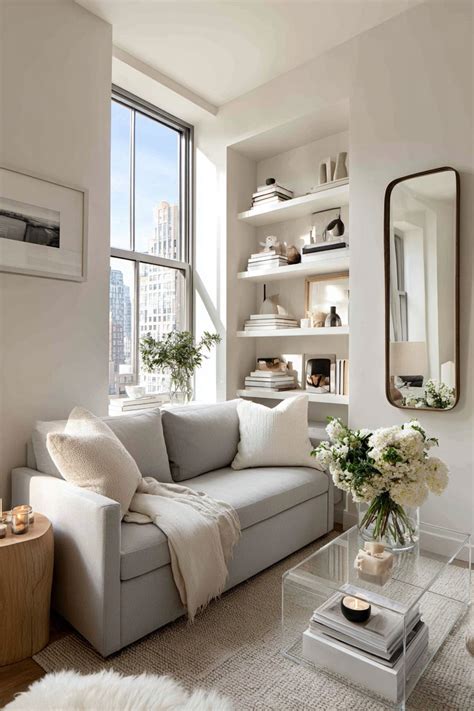
Accurate measurement goes far beyond simply checking the floor space where the furniture will eventually rest. Many first-time buyers make the mistake of measuring only the intended spot in the living room while forgetting about the journey the furniture must take to get there. In multi-story apartment buildings or homes with tight stairwells, doorway clearance, elevator dimensions, and hallway turns frequently dictate maximum furniture dimensions. Always measure your entry points twice before falling in love with a specific frame style.
Begin by mapping out your room’s footprint using painter’s tape on the floor to visualize the exact perimeter of the loveseat. Leave at least 30 to 36 inches of clearance for primary walking pathways so residents and guests can navigate the room without bumping into corners. Next, measure the vertical height of your doorways and compare them to the height of the loveseat minus its removable legs. Taking these logistical factors into account prevents frustrating delivery day surprises and ensures a seamless installation process.
Selecting Durable Materials and Practical Fabrics
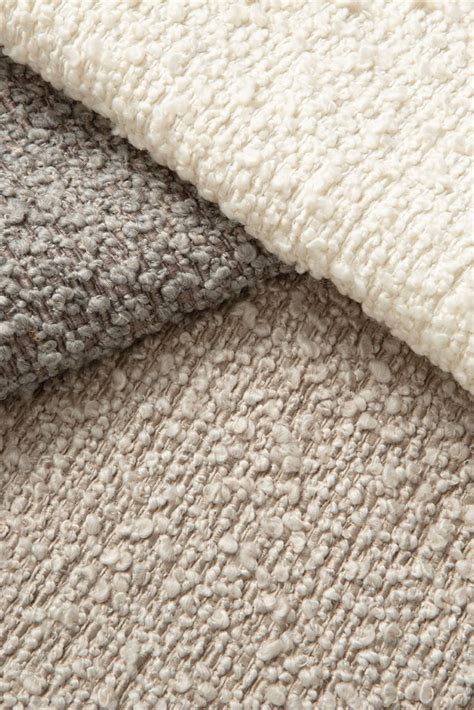
Daily lounging demands a textile that withstands regular wear while remaining soft and inviting against the skin. For busy households with children, pets, or frequent guests, high-performance woven fabrics, tightly textured chenilles, and heavy-duty microfibers offer exceptional resilience against stains and friction. Performance fabrics are engineered to repel liquid spills and resist scratching, making them a smart long-term investment for high-traffic living rooms where relaxation is a daily priority.
Beyond the surface fabric, inspect the internal frame construction to ensure structural longevity. Kiln-dried hardwood frames provide superior resistance to warping and cracking compared to cheaper particle board alternatives. Check the suspension system as well; sinuous steel springs or eight-way hand-tied coils offer even weight distribution and prevent the sagging that often plagues inexpensive seating. Investing in a sturdy foundation ensures your compact loveseat maintains its ergonomic support and clean silhouette for years of reliable use.
Multifunctional Options for Maximum Utility
When square footage is at a premium, every single piece of furniture should ideally serve more than one purpose. Modern manufacturers have perfected the engineering of compact sleeper loveseats and storage loveseats, packing high utility into small footprints. A pull-out twin or cot-size mechanism transforms a cozy reading spot into an accommodating guest bed in a matter of seconds, solving the perennial dilemma of how to host overnight visitors without a dedicated spare room.
Alternatively, storage loveseats featuring lift-up seat cushions or hidden compartment bases provide an ingenious spot to tuck away extra throw blankets, board games, or seasonal pillows. These hidden compartments help keep living room surfaces clutter-free, which is crucial for maintaining an open, tranquil aesthetic in smaller homes. When evaluating these multifunctional designs, test the mechanical operations in person if possible to ensure smooth transitions and sturdy hinges that will not wear out under frequent use.
Styling Your Loveseat to Anchor a Small Room
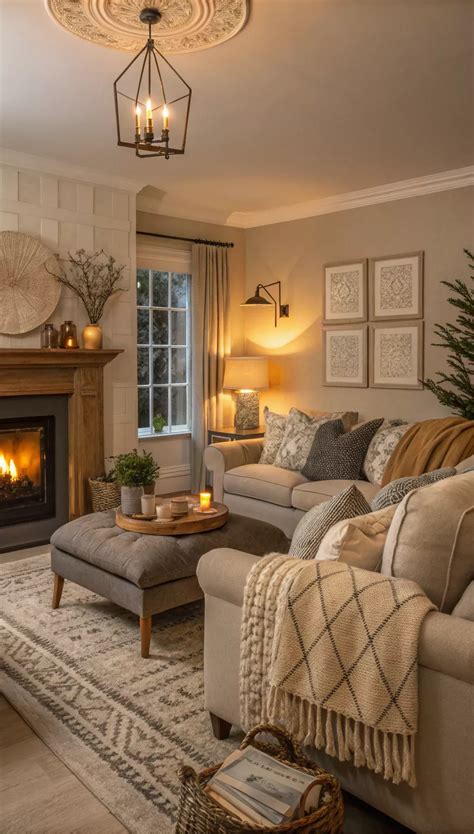
Positioning and accessorizing your loveseat correctly can completely transform the visual dynamic of a modest living space. Instead of pushing every piece of furniture flat against the perimeter walls, try floating your loveseat slightly inward with a textured area rug underneath to define the seating zone. Pair the loveseat with a lightweight glass-top coffee table or nesting tables that amplify natural light and maintain an unobstructed line of sight across the room.
Layering textiles is another effective way to elevate the look and feel of a compact seating arrangement without adding physical bulk. Introduce personality through a curated selection of throw pillows in varying tactile fabrics like linen, velvet, or chunky knit wool. Drape a soft throw blanket over one corner to add casual warmth and invite daily use. Ground the entire vignette with a well-placed floor lamp or wall sconce, drawing the eye upward and emphasizing the vertical height of your room to create an expansive, welcoming atmosphere.
Frequently Asked Questions
What dimensions define a compact loveseat?
A standard compact loveseat typically measures between 48 and 65 inches in width, with a depth ranging from 30 to 36 inches. These scaled-down dimensions are specifically engineered to accommodate tight apartment floor plans and narrow living rooms while still seating two people comfortably.
Are loveseats comfortable enough for daily lounging?
Yes, modern loveseats are designed with advanced ergonomic cushions, high-density foam cores, and supportive spring systems that rival full-size sofas. Choosing a model with supportive back cushions and durable suspension ensures long-term comfort for everyday relaxing and reading.
What are the best fabrics for durability in a small home?
High-performance wovens, treated microfibers, and tightly woven canvas blends are among the top choices for durability. These textiles resist staining, withstand pet claws, and clean easily with mild soap and water, keeping your compact seating looking pristine.
How can I make a small living room feel bigger with a loveseat?
To maximize your room’s perceived size, choose a loveseat with exposed wooden legs that elevate the frame off the floor. This allows light to travel underneath the furniture, creating an open, airy feeling rather than blocking visual space.


