Finding furniture that seamlessly bridges the gap between daily relaxation and overnight accommodation is a common challenge for homeowners and apartment renters across the United States. Traditional sleeper sofas often carry an unfortunate reputation for being clunky, visually unappealing, and notoriously uncomfortable. However, contemporary furniture design has transformed the category completely, offering sleek profiles, high-end upholstery fabrics, and sophisticated conversion mechanisms that look right at home in a curated living room or multi-use home office.
Approaching a sofa bed purchase requires flipping the traditional mindset: instead of viewing it primarily as an uncomfortable guest bed that happens to seat people, treat it as your primary living room sofa first. When the aesthetic standard is set high, the piece will anchor your main living area beautifully on ordinary days, while offering a welcome surprise for visiting friends and family when overnight lodging is needed.
Prioritizing Aesthetics: Merging Sofa Beds with Modern Decor
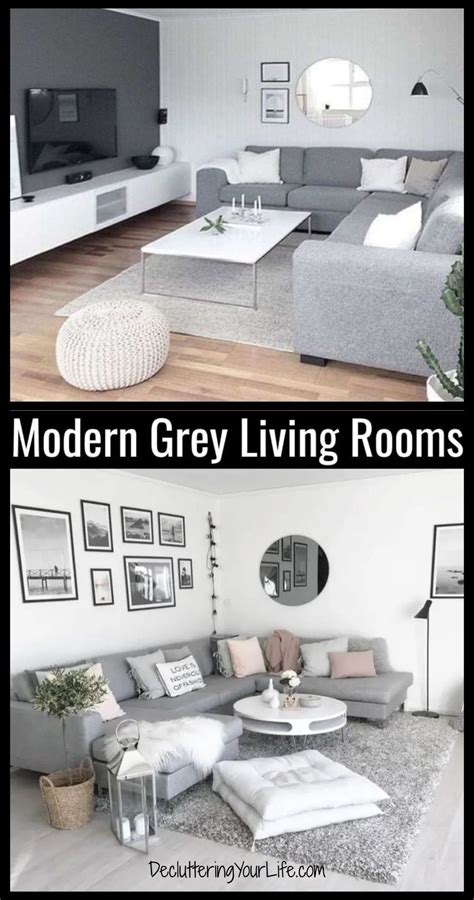
Integrating a convertible sofa into an established interior scheme starts with silhouette and scale. Modern U.S. homes—ranging from compact urban studio apartments in metropolitan centers to sprawling suburban family rooms—demand furniture proportions that do not overwhelm the floor plan. Choosing a sofa bed with clean lines, tapered wooden or brushed metal legs, and tailored tailoring creates visual breathing room, preventing the piece from looking heavy or utilitarian.
To maintain a cohesive look, match the structural language of your sofa bed with your existing accent chairs, coffee tables, and media consoles. A mid-century modern profile with button-tufted upholstery pairs wonderfully with organic wood tones and geometric rugs, whereas a low-profile, armless click-clack design suits minimalist or Japandi-inspired aesthetics. The goal is to select a silhouette that feels intentional rather than like an emergency furniture compromise.
Understanding Mechanisms: Pull-Out, Click-Clack, and Daybeds Compared
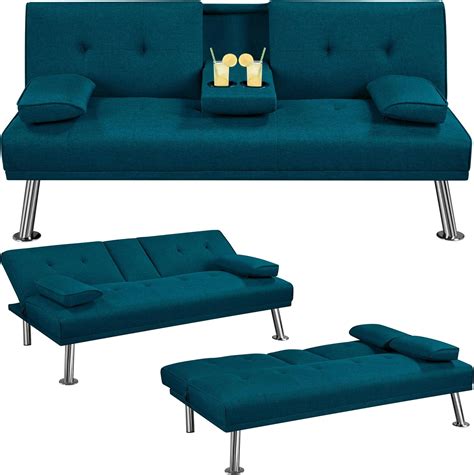
The internal mechanism dictates both the durability of the frame and the ease of transformation, making it crucial to evaluate how often you plan to convert the unit. Pull-out models typically house a folded mattress within the frame, offering a traditional sleeping surface that resembles a standard bed height. These models excel in dedicated guest rooms or primary living areas where frequent overnight stays occur, though their inner hardware can add significant weight to the overall piece.
Click-clack mechanisms operate on a simple hinge system where the backrest folds flat to create a sleeping platform, often doubling as a twin-sized mattress. This mechanism is exceptionally popular in urban apartments due to its lightweight footprint and effortless, one-motion transition. Daybeds, on the other hand, function as fixed sofas during the day with deep seating cushions, converting into standard beds simply by removing throw pillows or utilizing a trundle pull-out underneath. Each mechanism carries distinct trade-offs regarding mattress thickness and floor space clearance.
Selecting Durable Upholstery for Everyday American Living
Daily use from family members, pets, and guests means that upholstery selection is just as vital as internal frame construction. High-performance wovens, tightly textured chenilles, and heavy-duty linen blends offer fantastic tactile appeal while resisting everyday pilling and snagging. For households with children or pets, stain-resistant synthetic treatments or performance velvet fabrics provide an exceptional defense against spills and claw marks without sacrificing a luxurious hand-feel.
Color palette selection should balance current design trends with long-term versatility. Neutral foundational tones such as charcoal gray, warm oatmeal, and soft taupe allow you to refresh your living room aesthetic seasonally through inexpensive throw pillows, blankets, and wall art. If you prefer a bold statement piece, jewel-toned velvets like emerald green or sapphire blue can anchor a room, provided the surrounding decor remains balanced and restrained.
Sizing and Placement for U.S. Floor Plans
Proper spatial planning prevents a stylish sofa bed from obstructing walkways, entryways, or adjacent furniture pieces when fully extended. Before purchasing, measure not only the closed sofa footprint but also the exact clearance required when the mattress or backrest is fully deployed. In narrow living rooms or compact dens, ensure there is at least two feet of walking space around the perimeter of the bed to maintain comfortable traffic flow.
Multi-use home offices represent another increasingly popular placement zone for convertible seating. Pairing a compact loveseat sleeper with a minimalist desk creates a functional dual-purpose room that accommodates remote work requirements during the week and instantly transforms into a welcoming bedroom on weekends. Carefully accounting for door swings, closet access, and window placements ensures your investment functions smoothly in any American architectural layout.
Frequently Asked Questions
What are the most stylish sofa bed designs for contemporary U.S. homes?
The most stylish designs prioritize clean architectural lines, elevated wooden or metal legs, and tailored upholstery over bulky, traditional silhouettes. Mid-century modern tufted frames, minimalist low-profile click-clack sofas, and tailored daybeds are top choices for blending seamlessly into modern living rooms.
How do I choose the right size sofa bed for a small apartment or guest room?
Always measure both the closed sofa dimensions and the fully extended sleeping footprint. Ensure you leave adequate clearance for walking paths, opening doors, and nearby furniture so the room remains functional in both configurations.
Are modern sofa beds actually comfortable for sleeping?
Yes, modern options have improved drastically compared to older models. Many feature high-density foam mattresses, pocket spring systems, or memory foam toppers that offer genuine support, making them comfortable for regular or occasional overnight guests.
What upholstery materials hold up best against daily wear and tear?
Performance wovens, heavy-duty synthetic blends, and performance velvets offer the best durability. They resist staining, wear down slowly under heavy daily use, and are often easy to spot-clean, making them ideal for active households.


