Transitioning from casual weekend overnighters to more extended family outdoor excursions requires a deliberate shift in gear selection. For many U.S. households, traditional single-compartment dome tents quickly reveal their limitations when mud, wet gear, and restless children share the exact same square footage. Selecting a thoughtfully engineered shelter can completely redefine your outdoor experience.
Investing in a multi-room tent configuration brings a touch of residential comfort into the wilderness. By separating private sleeping quarters from an attached vestibule or living space, campers can manage clutter, keep sleeping bags dry during sudden afternoon thunderstorms, and enjoy a structured layout that feels remarkably close to home.
The Spatial Advantage: Why Multi-Room Layouts Matter for Families

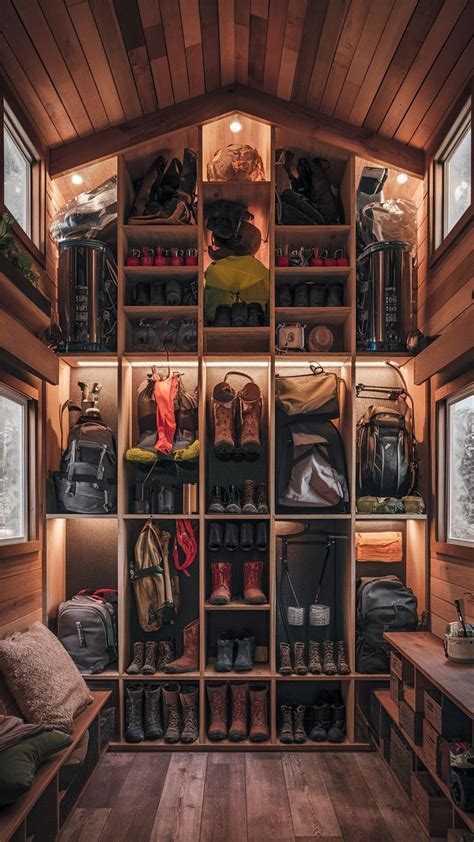
Traditional camping setups often force a frustrating compromise between sleeping space and gear storage. When backpacks, muddy boots, wet jackets, and coolers must fit inside the exact same zone where family members sleep, the interior quickly descends into a cramped, chaotic environment. A dedicated living room or vestibule zone acts as a transitional mudroom, keeping outdoor elements away from your mattress and sleeping bags.
Furthermore, these partitioned layouts offer crucial privacy and psychological breathing room during extended stays at national and state parks across the United States. Parents can tuck younger children into the darkened sleeping pod for an early bedtime while still utilizing the screened living area to read, organize gear, or converse by lantern light without disturbing the sleeping quarters. This zoning strategy drastically reduces friction during multi-day trips.
Sizing Realities: Interpreting 3-4 Man Capacity Ratings
Manufacturer capacity ratings often spark confusion among first-time buyers. In the camping industry, a four-person tent typically means the floor space can accommodate four sleeping pads placed side-by-side in a tight grid. However, this metric rarely accounts for personal space, duffel bags, or the physical presence of children and pets moving around inside the structure.
For a small family consisting of two adults and one child, a spacious 3-4 man tent featuring a dedicated dividing wall strikes an optimal balance. While it requires mindful packing compared to massive cabin tents, it remains manageable for single-person setup and fits comfortably into standard campsite footprint pads. Prioritize floor area dimensions and peak interior height over arbitrary headcounts when evaluating potential shelters.
Weather Resistance and Structural Integrity in U.S. Climates
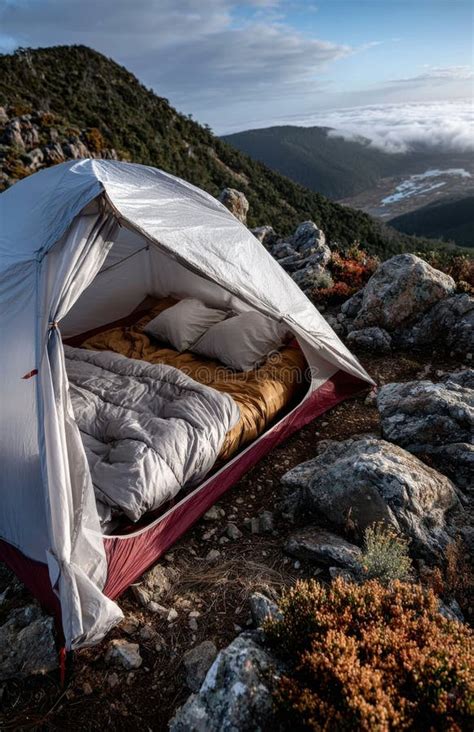
American landscapes present a remarkably diverse spectrum of weather challenges, ranging from high-altitude alpine winds in the Rockies to torrential downpours in the Pacific Northwest and humid summer storms across the Midwest. Multi-room tents feature larger surface areas and extended pole architectures, making proper weatherproofing an absolute non-negotiable feature for safe and comfortable family camping.
When reviewing technical specifications, pay close attention to hydrostatic head ratings for the rainfly and floor fabrics, robust aluminum or reinforced fiberglass pole systems, and full-coverage rainflies that prevent moisture seepage at structural seams. An integrated bathtub floor design is essential for keeping rising surface water out of the living room and bedroom zones during heavy downpours.
Simplifying Setup: Navigating Multi-Room Architecture
A common hesitation regarding multi-room tents is the perceived complexity of assembling large, multi-pole structures in variable weather. While simpler ridge and dome tents can be pitched in minutes, modern multi-room models often utilize color-coded pole sleeves, clip-in inner canopies, and intuitive hub systems designed to streamline the process for families working as a team.
Before taking your new shelter on an extended road trip, perform a complete dry run in your backyard. Practicing the assembly process ensures all components are accounted for, helps you master the attachment of the room divider, and builds your confidence so you can establish camp efficiently even if you arrive at your destination just as dusk settles.
Frequently Asked Questions
What are the main advantages of a camping tent with a separate bedroom and living room?
A multi-room tent separates your sleeping space from your storage and lounging area. This layout keeps muddy boots and wet gear out of the sleeping quarters, provides privacy for children’s bedtimes, and creates an organized, home-like environment at your campsite.
Is a 3-4 man tent truly large enough for a family?
It depends heavily on the makeup of your family and your gear volume. A 3-4 man multi-room tent works well for two adults and one child, or a single parent with two children, provided you pack efficiently and utilize the living room for bulkier equipment.
How do multi-room tents handle high winds and heavy rain?
Because multi-room tents feature larger profiles, they require sturdy pole systems, guy-out lines, and full-coverage rainflies to remain stable. Selecting models with durable aluminum poles and high hydrostatic head ratings ensures dependable performance in unpredictable U.S. weather.
Are these tents complicated for beginners to pitch?
While they have more components than basic two-person tents, most modern multi-room options feature color-coded poles and straightforward clip designs. A simple backyard trial run before your trip eliminates setup anxiety and ensures a smooth campsite arrival.


