When planning a family getaway to a national park, state campground, or private retreat across the United States, the traditional cramped dome tent often falls short of expectations. Transitioning from a single open-space shelter to a multi-room configuration fundamentally shifts how you experience the outdoors. A well-designed 3-bedroom tent featuring an integrated central living area offers an innovative approach to campsite organization, providing distinct zones for sleeping, relaxing, and storing gear without sacrificing personal space.
For many households, the appeal lies in replicating the functional layout of a domestic home within a temporary outdoor footprint. Instead of tripping over air mattresses, boots, and backpacks in a dark tunnel, campers can walk upright, sit comfortably on camping chairs during a rainy afternoon, and retire to separate sleeping compartments when privacy is needed. Evaluating whether this style of shelter fits your lifestyle requires looking closely at layout dynamics, logistical realities, and long-term maintenance requirements.
The Core Benefits of Multi-Room Camping Shelters
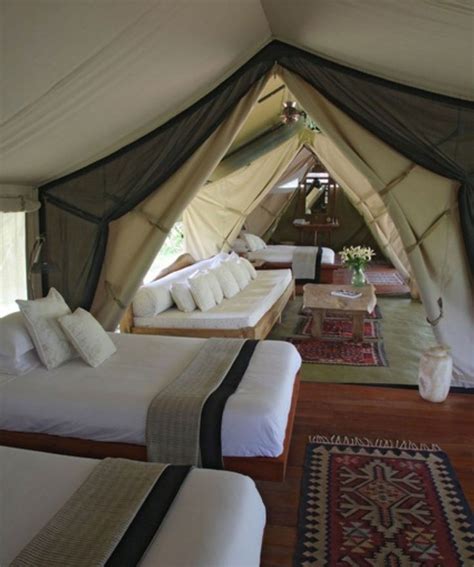
The primary advantage of choosing a multi-room setup is the intentional division of interior space. Traditional tents force every occupant into a shared perimeter, which can lead to friction when different family members maintain different sleep schedules. A 3-bedroom layout introduces physical partitions—often zippered fabric walls—that create private sanctuaries for parents, children, or guests while preserving a central communal hub.
Beyond sleeping arrangements, the central living area serves as a weather-resistant mudroom and lounge. In regions prone to sudden afternoon downpours, such as the Southeast or the Midwest, having a sheltered common area where everyone can remove wet shoes, play cards, or prepare camp meals keeps the sleeping quarters clean and dry. This zoning capability turns a standard camping trip into a remarkably comfortable outdoor living experience.
Zoning for Privacy and Socializing
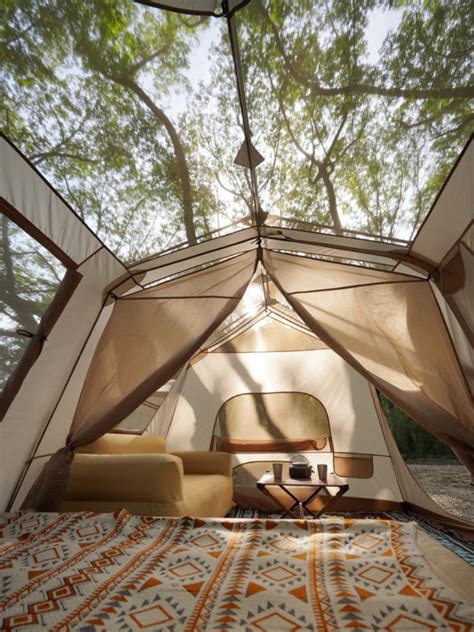
Effective zoning is what separates a chaotic campsite from an organized outdoor home. By assigning specific quadrants for sleeping and keeping the center open for foot traffic, families avoid the constant scramble to find misplaced items. Children enjoy having their own designated “room” to unwind, while adults appreciate a quiet space after lights out.
Gear Management and Clutter Control
In smaller tents, gear inevitably migrates into sleeping spaces, shrinking usable floor area. A large living room acts as a buffer zone for coolers, camp kitchen bins, and apparel storage. Keeping gear out of the bedrooms preserves crucial floor space for cots and sleeping bags, ensuring everyone gets a restful night of sleep.
Evaluating Key Features in a Spacious Tent Layout
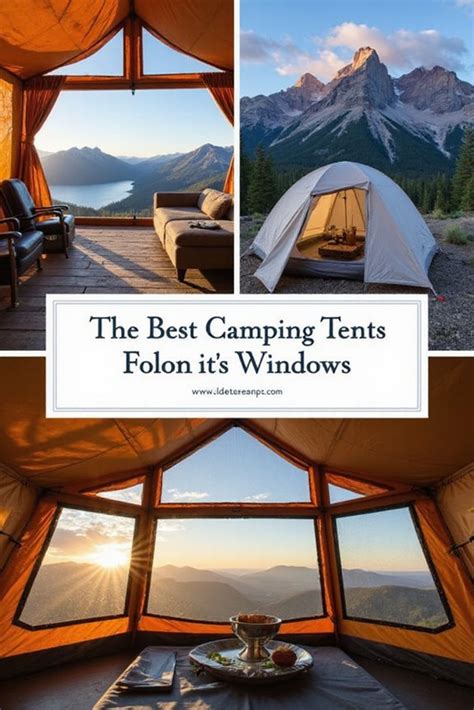
Selecting a multi-room shelter requires careful attention to structural specifications beyond simple square footage. Ceiling height is a major comfort factor; models with peak heights exceeding six and a half feet allow most adults to stand fully upright while changing clothes or moving between rooms. Look for designs that feature straight vertical walls rather than sharply sloping sides, as vertical architecture dramatically increases usable interior volume.
Ventilation is another critical feature that prevents condensation buildup and keeps the interior comfortable during warm summer nights. Large mesh windows on multiple sides, adjustable ground vents, and mesh ceiling panels promote healthy airflow. Additionally, check for built-in electrical port access, which allows you to safely route extension cords into the tent if you are staying at a serviced campsite with electricity.
Logistical Realities: Setup, Weight, and Transport
While the rewards inside a multi-room tent are substantial, the logistical demands of a large shelter require careful planning. These tents are inherently heavier and bulkier than standard recreational models, often packing down into large, wheeled duffel bags that occupy significant trunk or truck-bed space. Homeowners with ample garage storage and renters with dedicated storage closets must measure their available space before investing in an oversized model.
Setup time is another important trade-off. Erecting a complex cabin structure with multiple steel or fiberglass poles typically requires two adults and twenty to forty minutes of coordinated effort. Practicing a dry run in your backyard before heading to the campsite helps familiarize everyone with the pole color-coding systems and clip attachments, preventing frustration upon arrival at your destination.
Weather Resistance and Durability Across U.S. Climates
Weather performance varies significantly depending on the design and materials of your tent. Because multi-room tents feature expansive surface areas and tall profiles, they can catch the wind like a sail. Selecting a model with a robust steel frame, sturdy guy-line attachment points, and aerodynamic stability is essential for campers visiting coastal regions or windy plains.
Waterproofing is measured by hydrostatic head ratings on the rainfly and floor fabrics. Look for fully taped seams, factory-sealed rainflies that extend down the sides, and bathtub-style polyethylene floors that prevent ground moisture from seeping upward. Properly staking out the tent and securing all guy lines ensures the structure remains stable and dry during severe weather events.
Post-Trip Maintenance and Long-Term Storage
Protecting your investment requires diligent care after returning home from the wilderness. Large tents are notoriously difficult to clean and dry on-site, meaning post-trip maintenance usually occurs in a driveway or garage. Unpacking the tent completely to air dry prevents mildew and unpleasant odors from ruining the fabric during off-season storage.
Inspect all zippers, pole elastic cords, and stake loops for wear and tear before packing the shelter back into its storage bag. Ensuring the fabric is completely bone-dry before folding it away preserves the waterproof coating and extends the lifespan of your shelter for many seasons of outdoor adventure to come.
Frequently Asked Questions
How does a 3-bedroom tent with a living area improve the camping experience?
It provides distinct functional zones for sleeping and relaxing, offering privacy for different family members and a sheltered common area for dining, changing, and escaping bad weather.
Is a large multi-room tent difficult to set up?
These tents do require more time and coordination than small dome tents—often taking two adults 20 to 40 minutes. Practicing setup at home makes the campsite process much smoother.
How well do these spacious tents handle wind and rain?
With robust steel frames, high hydrostatic head ratings, and proper guylining, quality multi-room tents handle weather well. However, their large profile means they must be securely staked to resist strong gusts.
What should homeowners and renters consider regarding storage and transport?
These tents pack into large, heavy duffel bags. You should ensure you have adequate trunk space for transport and sufficient closet or garage space for off-season storage.
Who is this type of tent best suited for?
They are ideal for families, groups, and extended-stay campers who prioritize comfort, standing room, privacy, and organized living space over minimalist backpacking setups.


