Hosting family celebrations, casual neighborhood barbecues, or milestone anniversaries in an American backyard requires thoughtful planning. Beyond curating the menu and arranging comfortable seating, creating a weather-resilient, visually appealing environment is essential for a successful event. Unpredictable weather patterns across different U.S. regions mean that having a reliable shelter solution can make or break an outdoor gathering. Whether you are managing a compact suburban lawn or a spacious rental property courtyard, selecting the right outdoor structure transforms an ordinary open-air space into a sophisticated hosting venue.
Navigating the vast array of available outdoor structures can feel overwhelming without clear guidance on sizing, materials, and structural engineering. This comprehensive guide explores how to evaluate your spatial needs, compares different residential tent styles, and explains how platforms like TentBroker simplify the process of sourcing the ideal shelter for your home. By understanding the core decision criteria, you can invest in or rent a structure that guarantees both guest comfort and aesthetic harmony with your landscape.
Assessing Your Backyard Space and Guest Capacity
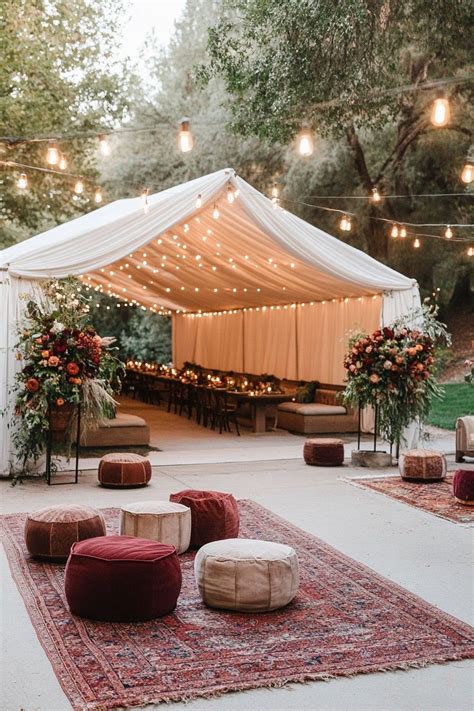
Before browsing any tent inventory, you must conduct a thorough physical assessment of your property. Walk your backyard to identify potential obstructions, including low-hanging tree branches, power lines, garden beds, and built-in patio features. Measure the exact perimeter of the flat areas available for placement, keeping local zoning and property line setbacks in mind. It is crucial to remember that a tent footprint requires additional clearance around its perimeter for guy lines, stakes, and safe guest circulation.
Guest capacity dictates the square footage required for your gathering. A standard rule of thumb for cocktail-style parties is allowing roughly six to eight square feet per person, while seated dinner events with round tables demand approximately twelve to fifteen square feet per guest to accommodate chairs and serving aisles. For instance, a cozy gathering of twenty guests standing comfortably needs a modest 10×20 canopy, whereas a seated reception for fifty guests typically calls for a much larger frame structure, such as a 20×40 or 30×30 tent, ensuring no one feels cramped.
Choosing the Right Tent Style for Your Property Surface
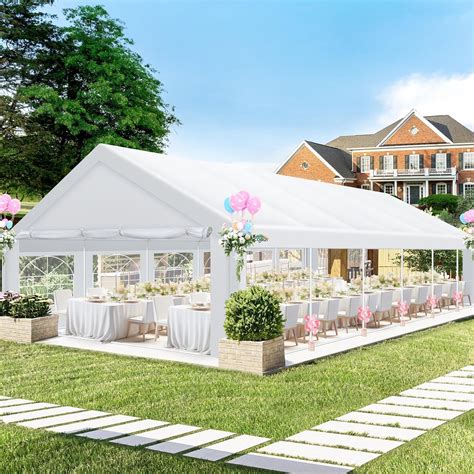
The ground surface of your backyard heavily influences the type of tent structure you should select. Traditional pole tents require deep ground stakes and center poles, making them magnificent on expansive lawns but entirely unsuited for paved patios, concrete driveways, or composite decks. If your entertaining space consists primarily of hardscape, frame tents or weighted high-peak structures provide a reliable alternative because they rely on internal metal frames and certified water or concrete ballast weights rather than ground anchors.
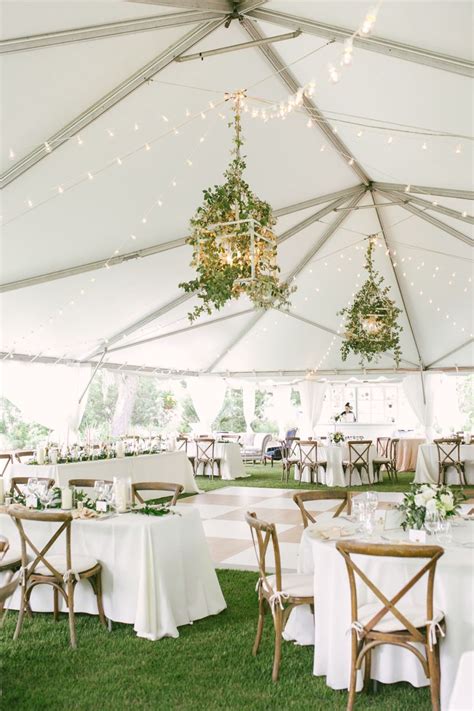
Pop-up canopies serve smaller, impromptu residential get-togethers where quick setup and storage flexibility take priority over long-term structural permanence. However, for formal milestones like backyard graduations, baby showers, or small weddings, structured frame tents deliver a cleaner architectural profile and superior height clearance. These structures allow for overhead lighting, floral suspensions, and climate-control additions without obstructing the sightlines of your guests or interfering with conversation circles.
Weather Resistance and Durability Standards in the U.S.
Weather resilience is a non-negotiable factor when hosting outdoor events anywhere in the United States. A quality backyard gathering tent must withstand localized climate challenges, whether that means blocking intense ultraviolet rays during a summer afternoon in the Sun Belt or shedding sudden coastal breezes in the Northeast. Look for commercial-grade vinyl or heavy-duty polyethylene canopy tops that offer certified UV protection and waterproof heat-sealed seams rather than simply stitched threads that can leak during heavy rainfall.
Frame integrity and anchoring safety are equally critical components of durable outdoor shelters. Aluminum or galvanized steel frames resist rust and maintain structural rigidity under shifting wind loads. When installing your tent, never skip proper anchoring protocols. If staking into turf, utilize heavy-duty spiral stakes driven deep into consolidated soil. When dealing with hard surfaces, ensure that ballast weights match the manufacturer’s precise engineering specifications to prevent shifting during unexpected gusts.
How TentBroker Streamlines Your U.S. Backyard Event Planning
Sourcing the correct tent involves evaluating dozens of suppliers, comparing dimensional specs, and figuring out delivery logistics. TentBroker bridges the gap between homeowners, renters, and professional event suppliers across the United States. By centralizing a diverse network of tent inventory, the platform allows you to filter options by guest capacity, yard dimensions, surface compatibility, and regional availability without visiting multiple independent vendor sites.
Utilizing a specialized resource saves valuable time and minimizes costly sizing mistakes. Whether you need a temporary weekend rental for a neighborhood block party or permanent residential canopy hardware for frequent seasonal entertaining, a structured marketplace helps you compare structural load ratings, side-wall add-ons, and delivery terms transparently. This streamlined approach empowers hosts to focus their energy on event decor, catering menus, and guest hospitality rather than logistical headaches.
Frequently Asked Questions
What size tent do I need for a backyard party of 50 guests?
For a standing cocktail party of 50 guests, a 20×30 tent providing roughly 600 square feet is generally sufficient. If you are hosting a seated dinner with round tables and buffet stations, you will want to scale up to a 20×40 or 30×30 tent to comfortably fit tables, chairs, and movement aisles.
Can I set up a party tent on a concrete patio or deck?
Yes, but you must choose a frame tent or weighted canopy rather than a pole tent. Pole tents require ground stakes driven into dirt. Frame tents can be safely secured on hard surfaces using certified heavy-duty water barrels or concrete ballast weights.
How does TentBroker help homeowners and renters?
TentBroker simplifies the search process by connecting users with a curated network of tent options and regional suppliers across the U.S. It enables you to filter by size, surface type, and event style, ensuring you find the right match for your yard quickly.
What weather conditions should my backyard tent withstand?
A reliable residential gathering tent should feature waterproof materials, UV-resistant canopy fabric, and a sturdy aluminum or galvanized steel frame designed to handle moderate winds and rain when properly anchored.


