Designing a compact living room often feels like assembling a high-stakes puzzle. Every square inch counts, and a single poorly chosen furniture piece can instantly throw off the balance of the entire layout. However, limited square footage does not mean sacrificing your personal aesthetic or living comfortably. By focusing on clever layouts, multi-purpose items, and intentional styling choices, you can transform even the tightest urban floor plan into an inviting, highly functional sanctuary.
Whether you are dealing with awkward architectural angles, narrow proportions, or strict rental lease agreements that prohibit painting and structural changes, there are plenty of approachable ways to elevate your space. The secret lies in balancing visual lightness with everyday utility, ensuring that your room looks curated rather than cluttered. Here are sixteen practical design strategies to help you optimize your small apartment living room.
Smart Furniture and Layout Strategies
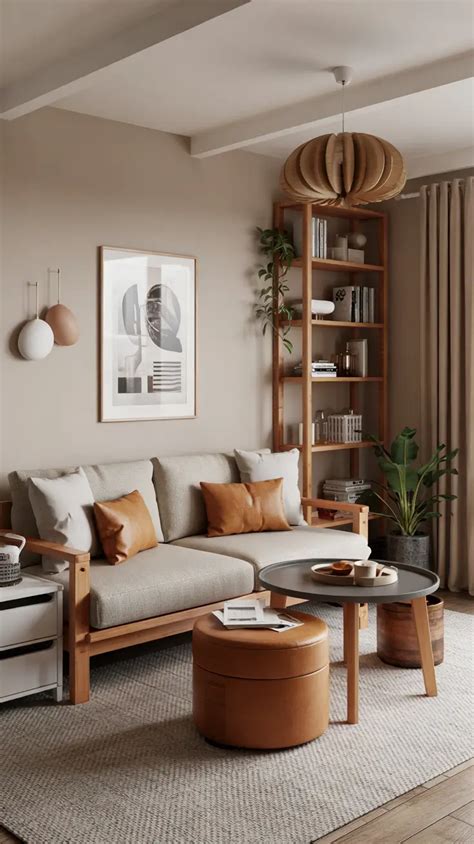
Choosing the right furniture pieces and arranging them correctly forms the backbone of any successful small-space interior design plan. When floor space is at a premium, oversized bulky items will quickly overwhelm the room and block natural traffic flows. Instead, prioritize pieces that serve more than one purpose or offer a streamlined profile that keeps the floor visible.
When setting up your room, remember that furniture does not always need to be pushed directly against the perimeter walls. Floating a slim-profile sofa slightly forward can actually trick the eye into perceiving a wider room, especially when paired with exposed-leg seating that allows light to pass underneath.
1. Invest in Multifunctional Ottomans
An upholstered ottoman with hidden interior storage serves double duty as a comfortable footrest, extra guest seating, and a discreet spot to stash throw blankets or board games. Selecting a model with a sturdy wooden tray top instantly converts it into a temporary coffee table.
2. Choose Visual Transparency
Acrylic or glass coffee tables and side tables take up physical space while maintaining visual continuity. Because light passes straight through them, they prevent a compact seating arrangement from feeling heavy or overcrowded.
3. Embrace Nesting Tables
Nesting tables offer incredible flexibility for daily life in a small apartment. You can tuck them together neatly when floor space is needed for stretching out or exercising, and pull them apart whenever you host friends for coffee or drinks.
4. Opt for Wall-Mounted Media Consoles
Traditional media cabinets consume valuable floor area and create visual bulk. Floating a media console at eye level frees up the floor underneath, making the room feel larger while providing convenient cord management solutions.
Maximizing Vertical Space and Storage
When horizontal square footage runs out, looking upward is the most effective way to expand your storage and display options. Utilizing vertical surfaces draws the eye toward the ceiling, creating an illusion of height while keeping everyday clutter off the floor and away from high-traffic zones.
Renting apartment dwellers can easily take advantage of this strategy by using tension-rod shelving systems, leaning ladder shelves, or heavy-duty adhesive hooks that avoid permanent wall damage. Homeowners have the added benefit of installing custom built-ins that hug awkward architectural nooks and maximize every available inch.
5. Install Floor-to-Ceiling Shelving
Floor-to-ceiling bookshelves frame a living room beautifully while offering massive storage capacity. Style these shelves with a mix of books, decorative objects, and closed storage boxes to maintain a clean, organized appearance.
6. Hang Curtains High and Wide
Mounting your curtain rods just a few inches below the ceiling line and extending them past the window frame tricks the eye into perceiving larger windows and taller walls. Choose lightweight linen or sheer fabrics to maximize natural sunlight.
7. Utilize Over-the-Door Solutions
While often relegated to bedrooms, clever over-the-door storage racks or slim hanging organizers can be adapted behind living room doors for storing small accessories, magazines, or seasonal throw pillow covers.
8. Incorporate Tall Indoor Plants
Bring life and vertical interest to neglected corners by placing a tall, slender fiddle-leaf fig, snake plant, or bird of paradise in a stylish ceramic pot. Vertical greenery draws the eye upward without eating into floor space.
Lighting and Visual Expansion Techniques
Lighting plays a monumental role in how spacious a room feels. Dark, shadowed corners naturally make a room feel smaller and more enclosed, whereas layered illumination opens up the space and creates a warm, welcoming ambiance.
Rather than relying solely on a harsh overhead ceiling light, combine ambient, task, and accent lighting to create depth. Placing light sources at varying heights throughout the room creates visual interest and banishes dark shadows.
9. Strategically Position Large Mirrors
Hanging a large statement mirror directly opposite a window multiplies the amount of natural sunlight bouncing around the room. It creates a powerful optical illusion, making a narrow apartment feel twice its actual size.
10. Layer Multiple Light Sources
Combine floor lamps, table lamps, and wall sconces rather than relying on a single overhead fixture. This technique creates a cozy, layered atmosphere and eliminates harsh shadows in tight corners.
11. Use Sconces to Free Up Surface Area
Hardwired or plug-in wall sconces mounted beside a sofa or reading chair eliminate the need for bulky side tables and table lamps, saving valuable surface space for drinks or books.
12. Select a Cohesive, Light Color Palette
Stick to soft neutrals, warm whites, or pale pastels for your primary walls and large furniture pieces. A cohesive, monochromatic color scheme blurs boundary lines, making the walls feel further apart.
Styling and Decluttering for a Clean Aesthetic
In a compact living room, clutter accumulates faster and looks significantly more pronounced than it does in a sprawling suburban home. Adopting a mindful approach to your decor ensures that every piece earns its place.
Quality over quantity should guide your styling decisions. A few well-curated statement pieces look far more sophisticated than an abundance of small knick-knacks that fragment the visual field.
13. Define Zones with an Oversized Rug
Many people make the mistake of buying a rug that is too small for their seating area, which makes the room feel chopped up. Opt for a large area rug that anchors all major furniture pieces, visually uniting the space.
14. Edit Your Decorative Accessories
Adopt a one-in, one-out rule for decorative accessories like throw pillows, vases, and framed art. Rotating seasonal pieces keeps your apartment feeling fresh without accumulating excess clutter.
15. Use Closed Baskets for Quick Cleanup
Keep woven baskets or lidded trunks near your seating area to quickly toss in electronics, remotes, and extra blankets at the end of the day. It keeps the room tidy with minimal effort.
16. Hang Minimalist Large-Scale Art
Instead of creating a busy gallery wall with dozens of tiny frames, which can make a small wall feel chaotic, opt for one oversized canvas or framed print. A single statement artwork offers a calm, sophisticated focal point.
Frequently Asked Questions
How can I arrange furniture in a small living room to make it look bigger?
To make a small living room look bigger, avoid pushing all your furniture flat against the walls. Pulling seating slightly inward and choosing pieces with exposed legs allows light to flow underneath, creating an airy, spacious illusion.
What are the best paint colors for a compact apartment living room?
Soft neutrals, warm whites, pale grays, and muted earth tones work best because they reflect natural light and blur the boundaries of the room, making walls feel further apart.
How can I add storage to a small living room without cluttering the space?
Prioritize multifunctional furniture like storage ottomans and nesting tables, and make use of vertical space by installing floor-to-ceiling shelving or hanging tall wall art to draw the eye upward.


