American homeowners and renters are constantly looking for creative ways to expand their usable living square footage beyond traditional indoor walls. Over recent years, the concept of outdoor living has evolved from simple patio furniture arrangements into sophisticated open-air extensions of the home. This shift has popularized backyard glamping and semi-permanent outdoor structures that offer comfort without the high cost and permanence of a home addition. Among the most innovative options changing suburban lawns and urban patios are modern air-beam structures designed for aesthetic appeal and everyday relaxation.
Integrating a portable structure like the Coody Light Travel 3-person inflatable tent into a residential landscape provides a flexible solution for families who want a dedicated retreat space. Unlike rigid metal-frame canopies or heavy canvas pavilions, an inflatable shelter relies on air-tube technology to maintain structural integrity. This design approach bridges the gap between traditional recreational camping equipment and contemporary home decor, giving households a stylish way to curate temporary guest rooms, reading lounges, or play zones right in their own backyards.
The Evolution of Backyard Living and Modern Glamping Trends
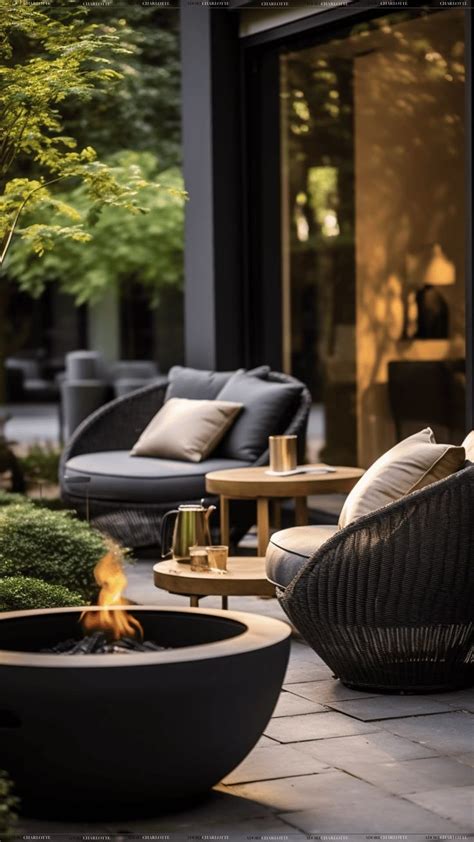
The traditional backyard has undergone a significant transformation across the United States. Patios are no longer just for basic grilling; they function as curated outdoor rooms complete with ambient lighting, plush textiles, and weather-resistant lounging furniture. Homeowners desire spaces that feel intentional and comfortable, yet retain the refreshing openness of nature. This cultural shift explains why upscale glamping concepts have successfully transitioned from remote commercial campsites directly into residential backyards, offering a quick escape from daily routines without requiring travel.
Traditional camping tents, while functional for wilderness excursions, often look out of place in a thoughtfully landscaped suburban yard. They typically feature technical color palettes, low profiles, and complex pole assemblies that clash with residential exterior design. In contrast, modern lifestyle inflatables embrace neutral color schemes, expansive windows, and graceful architectural lines. These features allow the structure to harmonize with surrounding garden greenery, wooden decking, and patio pavers, creating an inviting sanctuary that enhances rather than interrupts the landscape’s visual flow.
Understanding the Coody Light Travel 3-Person Inflatable Tent
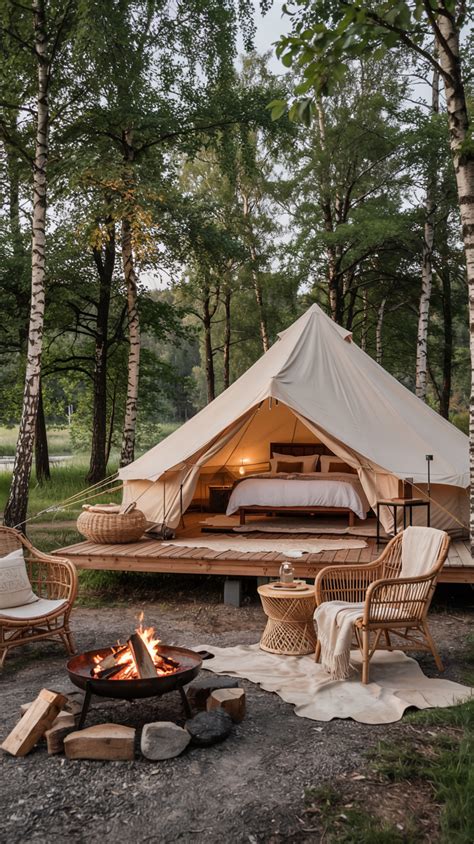
The Coody Light Travel model represents a distinct category of outdoor gear tailored specifically for lifestyle-focused consumers rather than extreme mountaineers. With a footprint designed to comfortably accommodate up to three people, it strikes an ideal balance between spaciousness and yard compatibility. The tent utilizes sturdy inflatable air columns instead of traditional aluminum poles, which simplifies the structural framework and reduces the overall physical strain associated with pitching a shelter.
Aesthetics play a major role in the appeal of this particular model. The light, airy fabric and structured silhouette create a cozy interior volume that feels expansive rather than cramped. Large mesh windows invite natural ventilation while keeping insects at bay, making the interior feel like a genuine room outdoors. When styled with outdoor rugs, floor cushions, and low-voltage string lights, the interior transitions effortlessly from a daytime reading nook into an atmospheric evening lounge under the stars.
Simplicity in Setup, Deflation, and Storage for U.S. Homes
One of the primary deterrents to purchasing traditional outdoor structures is the intimidating assembly process, which often involves deciphering cryptic instruction manuals and wrestling with tangled metal poles. Inflatable tents largely eliminate this friction point through air-beam engineering. Using a standard double-action hand pump or a portable electric pump, a single person can inflate the main structural beams in a matter of minutes, transforming a flat canvas bag into a robust, self-supporting architectural space.
For suburban renters and homeowners with limited storage capacity, the post-use breakdown is equally straightforward. Deflating the structure simply requires opening the designated valves, allowing the air columns to collapse naturally so the fabric can be folded into a compact storage bag. This level of portability is especially beneficial for urban renters with small garages, shed-free yards, or apartment balconies, as the packed tent takes up minimal space during the off-season compared to rigid wooden or plastic pergolas.
Creative Backyard Applications for Every Season
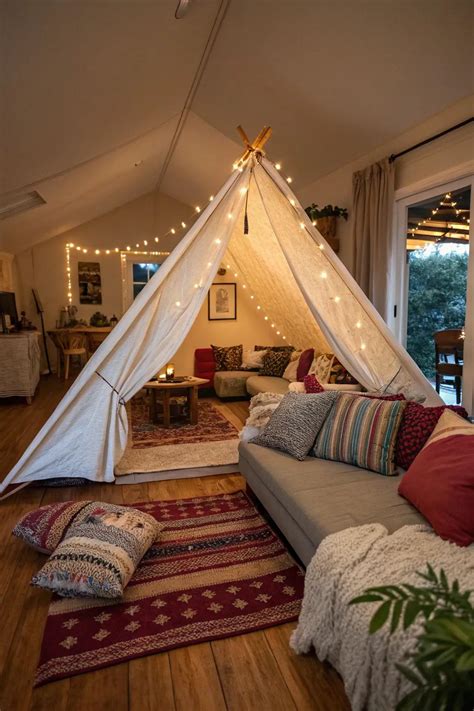
The versatility of a 3-person inflatable tent opens up numerous lifestyle applications throughout the changing U.S. seasons. During warm spring and summer months, it serves as a magical backyard sleepover venue for children, a shaded outdoor office for remote workers seeking a change of scenery, or a peaceful yoga and meditation studio surrounded by garden sounds. The enclosed environment protects against gentle evening breezes and bothersome mosquitoes while maintaining an intimate connection with the outdoors.
As autumn arrives, the tent can be reimagined as a cozy viewing lounge for outdoor movie nights, styled with plush fleece blankets, heavy floor cushions, and a portable projector. Because the structure provides a solid windbreak, it extends the usability of the backyard deeper into the cooler months. While it is not designed to function as a four-season permanent structure during heavy winter snowstorms, it performs remarkably well as a seasonal transition room for crisp fall weekends.
Durability, Weather Resistance, and Practical Maintenance
When evaluating any outdoor product destined for a U.S. home, durability against regional weather variations is a primary consideration. The robust technical fabrics used in quality inflatable lifestyle tents are engineered to withstand UV exposure, light rain showers, and moderate wind loads when properly staked down. The flexible nature of air beams actually gives them an advantage in breezy conditions, as they can flex slightly with the wind rather than rigid metal poles that risk bending or snapping under sudden pressure.
Proper maintenance ensures the longevity of an inflatable backyard investment. The tent must always be completely dry before deflation and storage to prevent mold and mildew growth—a crucial step for humid southern climates or wet spring seasons. Periodic cleaning with mild soap and water keeps the exterior fabric looking pristine. While these structures are remarkably resilient, treating them with care and taking them down during severe weather events, such as severe thunderstorms or high-wind advisories, guarantees years of reliable backyard enjoyment.
Frequently Asked Questions
What makes inflatable tents a good option for permanent or semi-permanent backyard setups?
Inflatable tents offer a unique combination of structural flexibility and soft architecture that permanent wooden or metal structures cannot match. They provide a comfortable, enclosed outdoor room without requiring municipal permits, concrete foundations, or permanent alterations to your landscape. Their air-beam technology allows them to be easily erected for a weekend gathering or a season of backyard lounging and packed away whenever open lawn space is needed.
How difficult is it to set up a Coody Light Travel 3-person inflatable tent?
Setting up the tent is exceptionally straightforward compared to traditional pole-based shelters. Because the structural frame consists of inflatable air tubes rather than metal poles, you simply lay the tent flat, stake the corners, and pump air into the designated valves. A single person can typically complete the inflation process in just a few minutes using a hand or electric pump, making it accessible for users of all experience levels.
Can apartment renters and homeowners with small yards easily store these tents?
Yes, portability and compact storage are major benefits of inflatable lifestyle tents. Once deflated and rolled up, the Coody Light Travel tent fits neatly into a standard storage duffel bag that takes up minimal space in a closet, apartment corner, or small garage. This makes it an ideal solution for renters who want to upgrade their outdoor living experience without investing in bulky, permanent yard furniture that cannot easily move with them.
How do inflatable tents hold up against typical U.S. weather conditions?
Quality inflatable tents are constructed from durable, UV-resistant technical fabrics designed to handle light rain and moderate breezes. Their flexible air beams can absorb wind gusts better than rigid metal poles. However, they are designed as temporary or seasonal lifestyle structures rather than heavy-duty permanent shelters. It is always recommended to deflate and store the tent during severe weather events, heavy snowfall, or high-wind storm advisories to ensure long-term durability.


