When planning a large group camping trip or a multi-generational family vacation across America’s scenic state and national parks, shelter logistics can make or break the experience. Traditional dome tents often feel cramped when you factor in sleeping bags, duffel bags, and changing gear. This is where extra-large shelter designs enter the conversation, promising cabin-like square footage and distinct living zones. Among these options, the Outsunny 9-Person Tent with 3 Rooms stands out for campers seeking suburban home levels of separation while immersed in the great outdoors.
Evaluating a massive shelter requires looking past marketing numbers and examining how the physical dimensions, structural stability, and spatial layout translate to real-world campsites. Whether you are setting up at a designated campground in the Pacific Northwest or organizing an extended weekend at a lakeside state park in the Midwest, understanding the nuances of a multi-room tent helps you decide if it matches your group dynamic, vehicle packing limits, and tolerance for complex assembly.
Understanding the 3-Room Layout and Privacy Dynamics
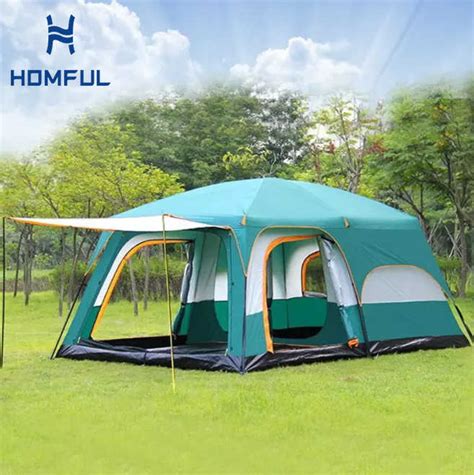
The defining feature of this Outsunny model is its compartmentalized interior, which divides the floor plan into three distinct zones using flexible privacy dividers. Typically, this configuration features a larger central common area flanked by two separate sleeping rooms on either side. For families with children, groups of friends, or multi-couple camping trips, this layout eliminates the goldfish-bowl feel of single-room tents, allowing individuals to change clothes or sleep with a degree of physical separation.
However, users should note how privacy partitions function in large fabric shelters. The interior dividers are usually made of lightweight polyester fabric with zipper closures rather than soundproof walls. While they provide excellent visual privacy and personal boundaries, ambient noise travels easily through the cabin. When planning who sleeps in which wing, assigning the outer rooms to early-to-bed children or light sleepers while utilizing the center for gear storage often yields the most harmonious camping dynamic.
Realistic Capacity: Does It Actually Fit Nine People?
Manufacturer capacity ratings in the camping industry traditionally calculate how many sleeping bags can be laid side-by-side shoulder-to-shoulder with zero walking lanes left over. Applied to a nine-person tent, this theoretical maximum rarely mirrors a comfortable American camping experience. If you attempt to pack nine adults into this Outsunny cabin tent, you will find floor space completely dominated by sleeping pads, leaving virtually no room for personal belongings, coolers, or movement.
A much more practical approach is to scale down the occupant count to a comfortable threshold of four to six campers. At this reduced number, everyone can fit twin- or queen-sized air mattresses with ample walking corridors between zones. The remaining floor capacity or one of the end rooms can then be dedicated entirely to gear storage, folding camp chairs, and emergency supply bins. Treating the advertised nine-person capacity as a maximum limit rather than a recommended baseline ensures your group enjoys a restful trip without feeling overcrowded.
Weather Resistance and Durability in U.S. Climates

Weather adaptability is a critical consideration for campers navigating unpredictable weather patterns across different U.S. regions. Large cabin-style tents with high ceilings and near-vertical walls inherently catch more wind than low-profile dome shelters. The Outsunny 9-person structure relies on a sturdy combination of fiberglass and steel poles to maintain rigidity, yet campers should always stake out guy lines securely, especially when visiting coastal sites or open plains where afternoon gusts are common.
Water protection is managed through a treated polyester rainfly and welded flooring seams designed to keep ground moisture at bay. While these materials perform reliably during light to moderate rain showers, extreme downpours require diligent setup. Ensuring the rainfly is tensioned correctly prevents fabric pooling, and pairing the tent with a custom-cut footprint or tarp underneath adds an extra layer of defense against saturated campground soil. Avoiding contact between sleeping bags and the tent walls during wet weather also prevents internal condensation transfer.
Setup Process, Weight, and Transport Logistics
Managing a massive multi-room tent requires a realistic assessment of setup labor and vehicle packing capacity. Because of the sheer volume of poles, fabric panels, and stakes involved, assembling a three-room cabin tent is rarely a one-person job. Working as a coordinated team of two significantly reduces pitch time and prevents accidental strain on pole sleeves or zippers during the initial raising of the frame.
Once packed down, a tent of this magnitude generates substantial bulk and weight, typically requiring a dedicated spot in the trunk or truck bed rather than a casual toss into a compact sedan. American road trippers should measure their available cargo space alongside coolers, camp kitchens, and sleeping gear. If you camp frequently and value interior standing height over ultra-lightweight portability, the extra packing effort is easily justified by the sheer livability once the stakes are firmly in the ground.
Frequently Asked Questions
Can one person set up the Outsunny 9-person 3-room tent alone?
While technically possible for experienced campers, setting up a large 3-room cabin tent alone is challenging due to the heavy frame and wide footprint. It is strongly recommended to have at least two adults working together to raise the poles and secure the structure safely.
Are the room dividers removable?
Yes, the interior partitions typically consist of fabric walls with zipper attachments, allowing you to roll them back or tie them off to create one giant open-concept living space if preferred.
How does it handle heavy rain and strong winds?
The tent features a water-resistant rainfly and treated seams to handle standard rain conditions. However, because of its tall cabin profile, it is vital to use all included guylines and stakes properly to maintain stability during high winds.
What size air mattresses can fit inside the rooms?
Depending on how you configure the side rooms, you can generally fit standard twin air beds easily, or a single queen-sized mattress in the central or main side compartments with limited surrounding floor space.


