When planning a getaway that brings loved ones closer to nature without sacrificing personal space, multi-room shelters offer an exceptional solution. Modern multi-room tents provide designated zones for sleeping, gear storage, and lounging, making extended trips feel remarkably comfortable. For American families and groups who enjoy exploring state parks, national forests, or private campgrounds, upgrading to a structured multi-room setup changes the entire camping dynamic.
Navigating the wide array of large outdoor shelters on the market requires looking beyond marketing claims to evaluate structural integrity, fabric durability, and layout versatility. Whether you need privacy for teenagers, a mudroom for hiking boots, or a central common area to escape an unexpected afternoon thunderstorm, understanding the core characteristics of these oversized tents ensures you make a smart investment for your outdoor lifestyle.
Understanding the Anatomy of a Quality 3-Room Tent
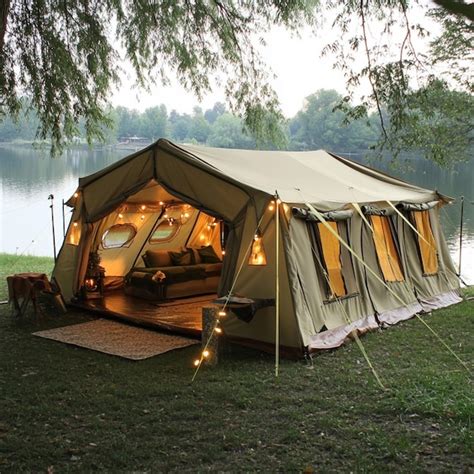
A true 3-room tent typically utilizes internal divider curtains or zip-off walls to split a massive floor plan into three distinct compartments. Most designs feature a central living area flanked by two private sleeping rooms, or a linear layout configuration. This structural approach mirrors indoor home organization, granting family members personal retreats while preserving a shared communal space for playing cards, dining, or relaxing during inclement weather.
Evaluating the materials used in these large shelters is critical because bigger tents catch more wind and endure heavier snow or rain loads. Look for sturdy frame combinations featuring steel and fiberglass poles that provide rigid support against sudden gusts. Additionally, check the hydrostatic head rating of the tent fabric and rainfly. A durable waterproof coating combined with factory-sealed seams prevents moisture infiltration during heavy downpours commonly experienced across various American climates.
Key Features to Consider Before You Buy
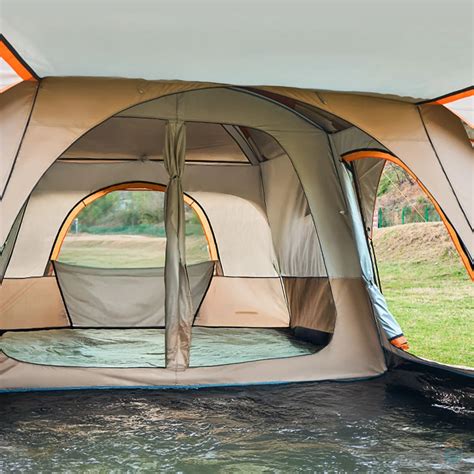
Choosing the right shelter involves balancing floor space, peak height, ventilation, and ease of assembly. A tall peak height allows adults to stand fully upright while changing clothes, significantly reducing physical fatigue during multi-day excursions. Furthermore, integrated mesh windows and ground-level vents are essential for promoting cross-ventilation, which reduces interior condensation and keeps the living environment fresh.
Door configuration and accessibility also play a major role in day-to-day usability. Multiple entrance points prevent family members from disturbing one another during late-night trips or early morning departures. When examining product specifications, pay close attention to the included storage pockets, electrical port access for running power cords safely inside, and the overall packed weight to ensure the shelter fits comfortably in your vehicle’s trunk.
Weighing the Pros and Cons of Multi-Room Layouts
While multi-room tents deliver unbeatable versatility and privacy, they also come with specific trade-offs that campers should weigh carefully. On the positive side, these shelters eliminate the need to pitch multiple smaller tents, keeping the entire group under one unified roof. They create a tidy, organized campsite where gear, clothing, and sleeping areas remain separated, preventing the chaotic clutter often found in traditional dome tents.
Conversely, the primary disadvantages include increased packed weight, larger bulk, and a more complex setup procedure. Pitching a three-room tent typically requires two people and a significant time investment compared to smaller, instant-up models. Furthermore, their large surface area makes them more susceptible to high winds, meaning guy lines and heavy-duty stakes must be used correctly every time to maintain structural stability.
Practical Setup and Maintenance Tips for Large Tents
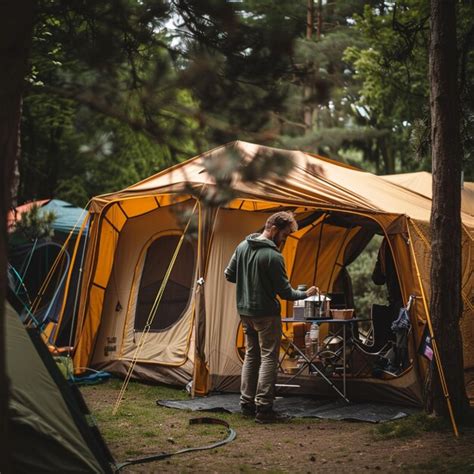
Maximizing the lifespan of a large multi-room tent begins with proper site selection and meticulous pitching techniques. Always clear the ground of sharp rocks and sticks before laying down a heavy-duty footprint or groundsheet to protect the tent floor from punctures. Practice assembling the tent in your backyard before heading out to a remote campground; familiarizing yourself with the pole color-coding and sleeve pathways saves valuable time and prevents frustration at the campsite.
Maintenance does not end when the trip concludes. Storing a damp tent can lead to mold growth and fabric degradation that ruins expensive gear. Always ensure the tent is completely dry before packing it away into its storage bag. Shake out accumulated dirt, sweep the interior floors, and periodically treat zippers with a silicone-based lubricant to ensure smooth operation season after season.
Frequently Asked Questions
What are the best 3-room tents currently on the market?
The best 3-room tents combine robust steel-and-fiberglass frames, high waterproof ratings, and flexible divider curtains. Top-performing models emphasize stand-up peak heights, multiple entrance doors, and durable polyester or oxford fabrics capable of withstanding diverse weather conditions across the United States.
How easy is it to set up a large multi-room tent?
Setting up a large multi-room tent generally requires two adults and takes between 20 to 40 minutes depending on the complexity of the pole structure. Practicing the assembly at home prior to your trip significantly speeds up the process at the campsite.
Are 3-room tents wind and rain resistant?
Yes, quality 3-room tents offer reliable weather resistance when properly staked and guyed out. However, due to their larger surface area, they require secure anchoring with heavy-duty stakes and guy lines to remain stable during strong winds and heavy storms.
How do I choose the best tent layout for my family?
Consider your group’s privacy needs and gear storage requirements. Linear layouts provide maximum separation between sleeping quarters, while designs with a central living room create an ideal communal space for family gatherings and dining during inclement weather.
What is the average price range for a quality 3-room tent?
Quality multi-room camping tents typically range from $250 to over $600. The price varies based on overall floor area, frame materials, waterproof ratings, and extra features like built-in room dividers, electrical ports, and heavy-duty carry bags.


