When planning a group camping trip or a massive family reunion in the great outdoors, finding shelter that accommodates everyone without sacrificing personal space is a major challenge. Traditional dome tents often leave campers feeling cramped, with little room to store gear or stand up comfortably. Enter the extra-large cabin-style shelter, designed to replicate the feeling of a multi-room home right on the campsite. Among these, the Ozark Trail 18-Person Cabin Tent stands out due to its sheer scale, ambitious floor plan, and multi-room architecture. Evaluating such a massive piece of gear requires looking past the marketing numbers to understand how it performs during real-world weekend excursions.
For homeowners and frequent travelers who value spaciousness, choosing an oversized tent involves balancing comfort against practical considerations like transport weight and setup complexity. An 18-person rating typically describes maximum sleeping capacity using sleeping bags placed side-by-side, rather than the number of adults utilizing air mattresses and cots. Understanding these spatial realities helps set realistic expectations before heading out to the campground, ensuring your group enjoys a comfortable, well-organized outdoor living experience.
Understanding Layout, Dimensions, and Room Dividers
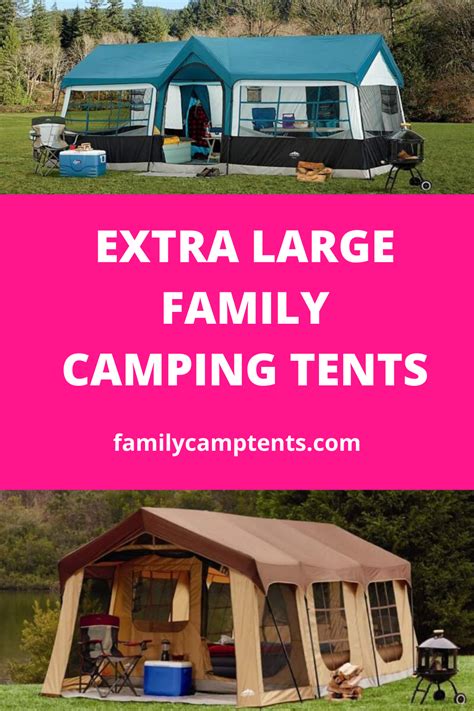
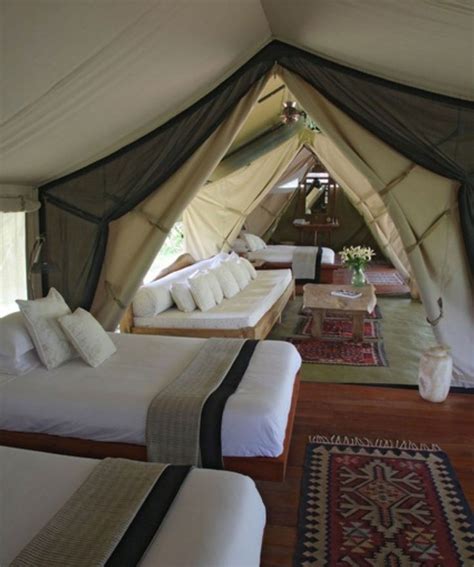
The primary appeal of a large cabin tent lies in its structural layout and vertical walls, which maximize usable interior square footage. Most configurations of this size feature a three-room design separated by flexible hanging privacy curtains. These dividers allow campers to create separate sleeping quarters on either side with a communal living or gear-storage area in the middle. Such zoning is especially beneficial for families with children or groups of friends who appreciate a bit of personal boundary while sharing a single shelter footprint.
Vertical walls are a defining feature of cabin-style tents, offering significantly more headroom than sloping dome designs. Standing at over six feet tall in the center allows most adults to walk upright, changing clothes or moving around without awkward crouching. However, managing a footprint this large requires careful campsite selection. You will need a relatively flat, debris-free clearing that measures well beyond standard tent pads to accommodate the guy lines and stakeout points properly.
Evaluating the Setup Process and Assembly Realities
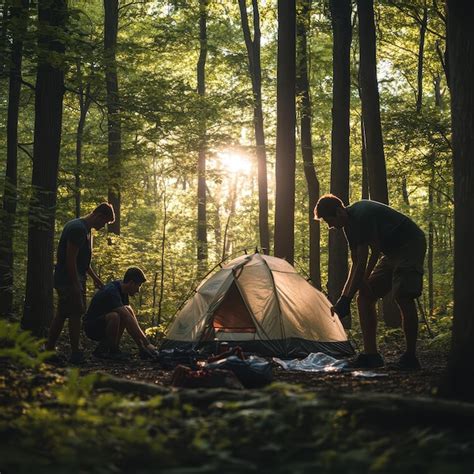
Assembling a massive multi-room tent is rarely a one-person job, and approaching the Ozark Trail 18-Person Cabin Tent with that expectation helps prevent campsite frustration. Most multi-room cabin tents utilize a combination of steel and fiberglass poles, color-coded systems, and pin-and-ring attachments to streamline the initial frame erection. Having at least two or three adults work together is practically essential to raise the heavy roof poles and guide them into place without straining the fabric sleeves.
Setting up a shelter of this magnitude typically takes between twenty to forty minutes depending on your group’s familiarity with large tents and site conditions. It is always wise to perform a dry run in your backyard before embarking on a trip. This practice ensures all components, stakes, and guy lines are accounted for and familiarizes everyone with the correct pole insertion sequence, saving valuable daylight when you arrive at your destination.
Weather Resistance, Durability, and Structural Stability
Extra-large cabin tents offer incredible interior space, but their high walls and large surface area create specific trade-offs when dealing with adverse weather. While the water-repellent polyester fabric and taped fly seams provide reliable protection against standard rain showers, high winds require careful securing. Utilizing all included guy lines, heavy-duty stakes, and tensioners is non-negotiable for maintaining structural integrity if unexpected gusts sweep across your campsite.
The cabin design is inherently more vulnerable to wind loading compared to low-profile geodesic or dome tents because of its vertical profile. Campers should position the tent thoughtfully, taking advantage of natural windbreaks like tree lines or hills when available. Furthermore, ensuring the rainfly is properly attached without sagging prevents pooling water during heavy downpours, keeping your interior dry and comfortable throughout the night.
Ventilation and Managing Condensation in Large Tents
With multiple people inhabiting a single shelter, managing interior airflow is critical to preventing condensation buildup and maintaining a fresh environment. The Ozark Trail 18-Person Cabin Tent incorporates mesh ceilings, large windows, and lower ventilation ports designed to promote cross-ventilation. Warm air naturally rises and escapes through the mesh roof, while cooler air enters from the lower vents, creating a continuous circulation loop.
In humid climates or during cooler nights when windows must remain zipped shut, managing moisture requires intentional habits. Keeping wet shoes and damp gear in a designated vestibule or near the entryway rather than deep inside the sleeping rooms helps reduce internal humidity. Thoughtful organization ensures that the generous ventilation features can function effectively, keeping the interior comfortable from morning until night.
Storage Solutions, Portability, and Transport
Transporting an 18-person tent requires evaluating your vehicle’s cargo capacity carefully. Because of the heavy-duty poles, thick fabrics, and substantial frame components, these tents pack down into large, heavy duffel bags that take up significant trunk or truck bed space. Renters and homeowners alike should measure their storage areas at home and verify that the packed tent leaves adequate room for coolers, sleeping pads, and other essential camping gear.
Once at the campsite, interior storage pockets integrated into the walls help keep smaller items like phones, flashlights, and keys off the floor and within easy reach. Staying organized inside a large multi-room tent prevents clutter from accumulating in walkways, making it much easier to transition between rooms and maintain a tidy, relaxing home away from home.
Frequently Asked Questions
How many people can realistically sleep in the Ozark Trail 18-Person Cabin Tent?
While the tent is rated for up to 18 people using standard sleeping bags laid side-by-side, a more realistic and comfortable capacity for adult campers utilizing cots, air mattresses, and gear storage is 6 to 10 people.
Is the tent difficult to set up for beginners?
Setting up an 18-person cabin tent requires teamwork and patience. It is generally not recommended for a solo camper. Having at least two or three adults makes the assembly process straightforward, taking roughly 20 to 40 minutes.
Does the tent handle heavy rain and wind well?
The tent provides reliable protection against moderate rain and wind when properly staked and guyed out. However, due to its tall vertical walls, it is more susceptible to high winds than low-profile dome tents and requires careful securing.
Can the interior rooms be customized or removed?
Yes, the tent features flexible hanging room dividers that can be tied back or adjusted to create either a large single open space or three distinct rooms depending on your privacy needs.


