A console table is one of the most versatile pieces of furniture you can introduce into an American home. Whether you are greeting guests in a compact apartment foyer, anchoring a blank wall in a suburban living room, or adding functional surface area to a narrow hallway, this slim furniture category delivers an impressive return on investment. Yet, finding a piece that looks sophisticated without requiring a major financial commitment can feel challenging. The good news is that the market for budget-friendly console tables has evolved significantly, offering intelligent material engineering and sleek silhouettes that rival high-end boutique brands.
Successfully integrating an affordable console table into your space requires looking beyond the price tag and evaluating core design fundamentals. Scale, proportion, material integrity, and styling strategy ultimately dictate whether a budget-friendly find looks upscale or disposable. By understanding how to measure your floor plan correctly, selecting smart synthetic or mixed-media materials, and applying intentional decor principles, you can create a high-end look on any sensible budget.
Defining Purpose and Placement in American Floor Plans
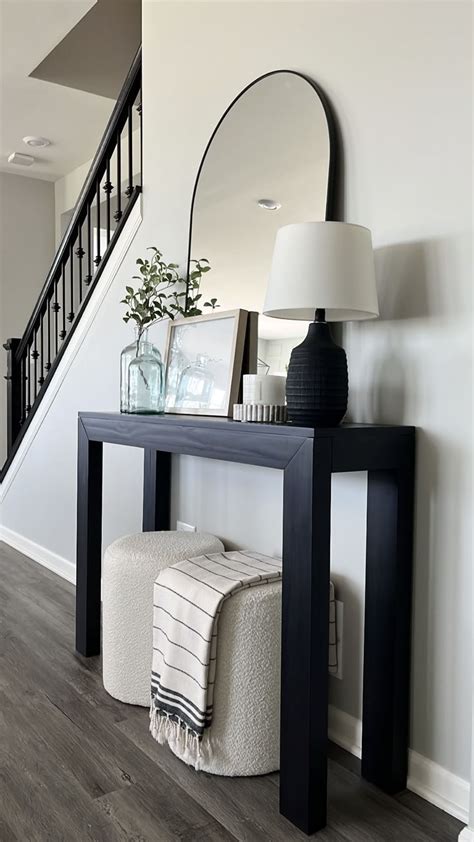
Before browsing retail catalogs or adding items to an online cart, you must clarify the primary function of your console table. In traditional American suburban homes with distinct entryways, a console serves as a landing zone for keys, mail, and daily essentials. Conversely, open-concept urban apartments often use console tables right behind a sofa to divide zones, hold ambient lighting, or provide a subtle barrier between living and dining spaces. Establishing this purpose dictates whether your table needs hidden drawer storage, a lower shelf for baskets, or a completely open profile to keep sightlines clear and airy.
Space planning is particularly critical when working with standard U.S. apartment and home dimensions. Hallways and entry corridors typically require a narrow footprint to maintain comfortable walking clearance, ideally keeping table depth under twelve inches. If you are placing a console behind a sofa, ensure the table height sits slightly below or flush with the back cushions to maintain visual harmony. Taking accurate painter’s tape outlines of the proposed footprint on your floor before purchasing prevents costly sizing mistakes and ensures smooth traffic flow throughout your home.
Selecting High-End Materials on a Budget
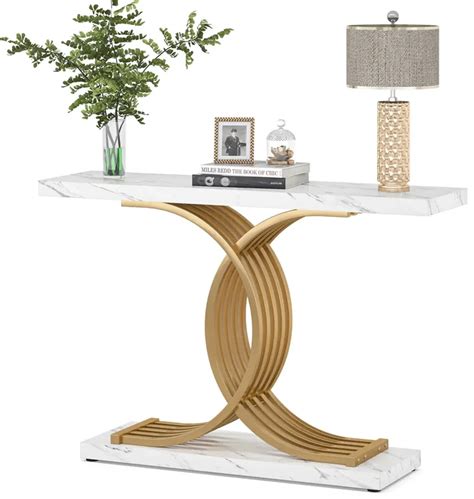
One of the most effective ways to secure an affordable console table that still feels luxurious is to focus on mixed-media construction. Manufacturers frequently combine powder-coated steel or iron frames with engineered wood surfaces wrapped in realistic wood-grain veneers. These combinations offer exceptional structural stability while mimicking the warmth of solid oak or walnut at a fraction of the cost. Matte black metal frames lend an immediate modern industrial or transitional edge, grounding light-colored walls and adding architectural definition to otherwise flat spaces.
Faux marble and tempered glass surfaces represent another excellent category for budget-conscious shoppers seeking a glamorous or contemporary aesthetic. Printed stone laminates or high-grade cultured marble veneers deliver the sophisticated veining of natural quarried stone without the immense weight or delicate maintenance requirements. When paired with a polished gold or brushed brass finish, these budget-friendly pieces look remarkably upscale. Always inspect product specifications for weight capacity limits, ensuring the piece can safely support your choice of styling accessories, lighting, and everyday storage bins.
Proven Styling Frameworks for Affordable Consoles
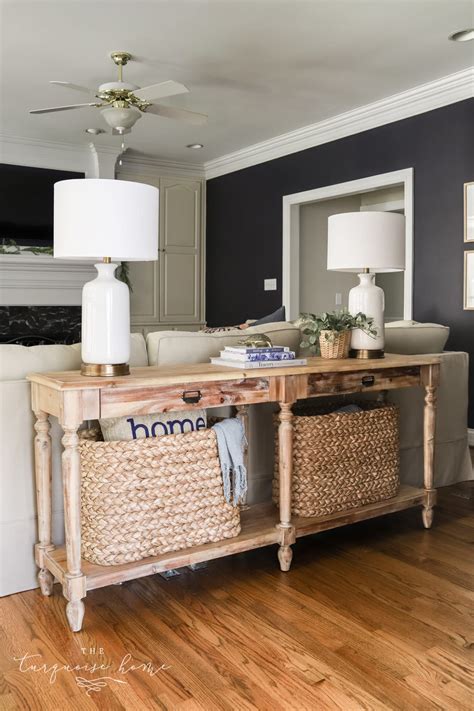
Even the most budget-conscious console table can look like a curated designer piece when styled using intentional interior design formulas. The classic rule of thirds remains a foolproof method for arranging objects visually. Instead of cluttering the surface with numerous small trinkets, group items into asymmetrical clusters of three varying heights. For example, combine a tall table lamp on one side with a mid-height framed art piece leaning against the wall, balanced on the opposite side by a low stack of decorative coffee table books topped with a small ceramic bowl.
Maximizing vertical space and incorporating functional storage underneath is another hallmark of professional interior styling. Placing a pair of natural woven seagrass or rattan baskets beneath an open lower shelf immediately introduces texture and warmth while hiding unsightly items like pet toys, extra throws, or charging cords. Incorporating living elements, such as a trailing pothos plant in a heavy terracotta pot or a simple glass vase with seasonal stems, breathes organic life into manufactured materials and ties the entire entryway or living area vignette together seamlessly.
Frequently Asked Questions
What is the standard height and depth for a console table?
Standard console tables typically range from 30 to 36 inches in height, which matches the average height of standard accent tables and window sills. Depth varies significantly based on your floor plan, with traditional styles measuring 14 to 18 inches deep, while narrow or space-saving apartment versions measure anywhere from 8 to 12 inches deep to preserve hallway clearance.
How do I choose a console table for a small entryway?
For compact entryways, prioritize a shallow profile under 12 inches deep and consider open-frame designs made of glass or thin metal legs. These visual transparent elements prevent the furniture from blocking natural light or making a tight foyer feel cramped. Wall-mounted floating consoles are also fantastic space-savers because they eliminate bulky table legs entirely.
How can I make an inexpensive console table look more expensive?
You can elevate a budget console table by upgrading its hardware, such as replacing basic manufacturer knobs with solid brass or matte black pulls. Additionally, anchoring the table with a large statement mirror or impactful piece of art above it draws the eye upward and creates a cohesive focal point that distracts from the modest origins of the furniture piece.


