The moment you step through your front door, the tone for your entire home is set. Unfortunately, that very same threshold often becomes a magnet for loose change, stray mail, backpacks, and rogue shoes. If your foyer or living room feels constantly overwhelmed by the daily accumulation of clutter, a specialized storage furniture piece can change everything. Selecting the right console tables with storage allows homeowners and renters to introduce architectural polish while seamlessly tucking away the chaotic items of everyday life.
Rather than treating the entryway as an afterthought, interior designers approach these transitional zones as high-impact areas that deserve careful planning. By evaluating your spatial dimensions, understanding the different types of available storage mechanisms, and applying balanced styling techniques, you can turn a cramped hallway into a welcoming, highly functional corridor. This guide explores everything you need to know about integrating these versatile furniture pieces into your living spaces.
Understanding the Anatomy of Storage Console Tables
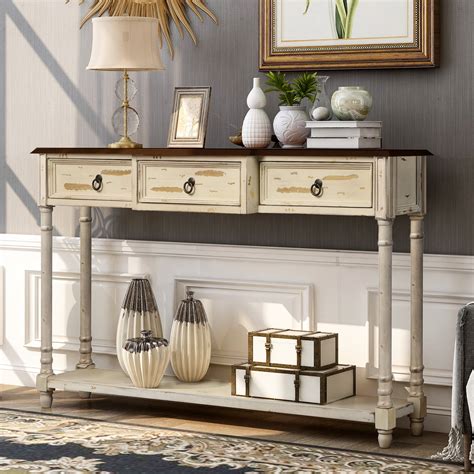
When shopping for a console table that offers more than just a decorative surface, it helps to understand the three primary storage configurations available on the market. Cabinets with doors provide completely concealed storage, making them ideal for hiding bulky items like extra winter accessories, dog leashes, or children’s outdoor gear. Tables featuring built-in drawers offer a classic solution for smaller essentials, keeping keys, sunglasses, and notepads out of sight while remaining instantly accessible upon entry.
Open shelving, on the other hand, strikes a balance between display and containment. Lower shelves on a console table provide an excellent home for decorative baskets, canvas bins, or neatly stacked art books. When evaluating your household habits, consider which items you naturally drop at the door. If visual serenity is your top priority, closed cabinets or deep drawers will prevent your entryway from looking chaotic, whereas open shelving requires a bit more intentional curation to maintain a tidy appearance.

Beyond the primary storage compartment, the structural build of the table dictates its longevity in high-traffic zones. Solid hardwoods, powder-coated metals, and durable veneers withstand the daily bumps from bags and shoes much better than fragile particle board. If your entryway experiences heavy foot traffic, investing in a sturdy frame prevents wobbling and ensures that the table securely supports whatever lamps, trays, or decorative items you choose to place on top.
Sizing and Spatial Planning for Narrow Foyers
One of the most common mistakes when purchasing an entryway console table is ignoring spatial clearance. Standard console tables often measure anywhere from 14 to 18 inches in depth, which can easily obstruct a narrow apartment hallway or block a swinging front door. Before browsing furniture collections, grab a tape measure and evaluate the exact width of your walkway. You should aim to leave at least 36 inches of clear walking path so that family members and guests can move comfortably without feeling squeezed.
If you are working with an ultra-narrow foyer, look specifically for slim profile designs that measure under 12 inches in depth. Wall-mounted floating consoles represent another fantastic space-saving alternative, as they eliminate bulky table legs and create an illusion of expansive floor space underneath. This negative space can even be utilized to slide flat shoe racks or low baskets neatly out of the way when not in use.
Bridging the Gap: Using Console Tables in Living Rooms
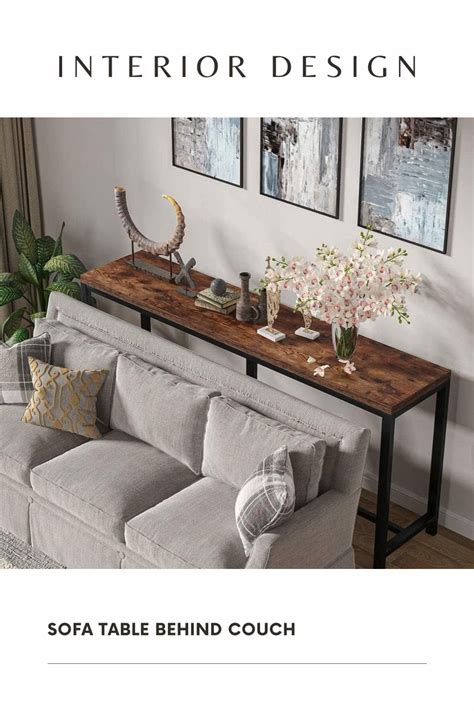
While traditional foyer placement is common, console tables with storage shine just as brightly when positioned inside a living room. Placing a storage console behind a floating sofa creates a natural room divider in open-concept floor plans while establishing a convenient surface for task lighting and reading glasses. The interior cabinets or drawers can then be repurposed to store board games, extra throw blankets, television remotes, or children’s toys that would otherwise clutter the main seating area.
In smaller living rooms where wall space is at a premium, a long console table can also double as a media credenza or a streamlined home office drop-zone. By coordinating the finish of the table with your existing coffee table or entertainment center, you maintain a cohesive design language throughout the room. Selecting a piece with cord management cutouts further expands its versatility, allowing you to charge electronics cleanly inside a cabinet rather than tangling cords across the floor.

When styling a living room console table, the approach differs slightly from a foyer arrangement. Because living rooms are meant for relaxation, the display on top should feel softer and more personal. Incorporate framed family photographs, textured ceramics, or ambient table lamps rather than mail trays and key bowls. The hidden storage underneath remains your secret weapon for maintaining a guest-ready living room at a moment’s notice.
Styling Frameworks for a Clutter-Free Aesthetic
Achieving a high-end look on your console table requires balancing functional items with decorative accents through intentional composition. Avoid the temptation to crowd the surface with every decorative object you own. Instead, use the asymmetrical rule of thirds: group items in clusters of odd numbers, varying heights and textures to draw the eye naturally across the display. For example, pair a tall ceramic lamp on one side with a stack of curated coffee table books and a small decorative bowl on the other.
To keep everyday necessities organized without ruining the aesthetic, incorporate stylish catch-all trays or lidded boxes directly onto the tabletop. These containers act as designated landing zones for keys and wallets, ensuring small items never scatter randomly across the surface. By combining smart hidden storage with disciplined tabletop styling, your console table will function effortlessly as both an organizational powerhouse and a sophisticated design statement.
Frequently Asked Questions
What features should I look for in a console table with storage?
Look for a mix of closed storage (like drawers or cabinets) to hide unsightly clutter and open shelving for decorative baskets or books. Ensure the materials are durable enough to handle everyday wear and tear in high-traffic areas.
How do I choose the right size console table for a narrow entryway?
Measure your hallway width carefully to maintain at least 36 inches of clear walking space. For tight corridors, opt for slim-profile tables under 12 inches deep or wall-mounted floating consoles that preserve floor space.
Can an entryway console table be used effectively in a living room?
Yes, console tables work wonderfully behind floating sofas or against bare living room walls. They provide hidden storage for remote controls, throw blankets, and media items while serving as a surface for lamps and decor.
How can I style a storage console table so it doesn’t look cluttered?
Use the rule of thirds by grouping decor objects in odd numbers with varying heights. Incorporate small trays or lidded boxes to corral everyday items like keys and mail so the tabletop remains visually clean.


