Finding the right sofa is one of the most significant design decisions you can make for your home. Among the vast array of available upholstery materials, leather remains uniquely prized for its durability, tactile warmth, and ability to develop a rich, character-filled patina over time. In American living rooms, traditional and classic leather sofa silhouettes continue to dominate interior design choices because they anchor a room with effortless sophistication while enduring the rigors of everyday family life.
Navigating the market requires more than just picking a color you like. Different frames—ranging from stately button-tufted statement pieces to relaxed, casual lounging designs—interact with living room layouts, lighting, and ambient decor in distinct ways. Understanding the architectural lineage and physical footprint of these classic silhouettes helps you invest in a centerpiece that balances heritage appeal with modern comfort.
The Enduring Appeal of Leather in U.S. Homes
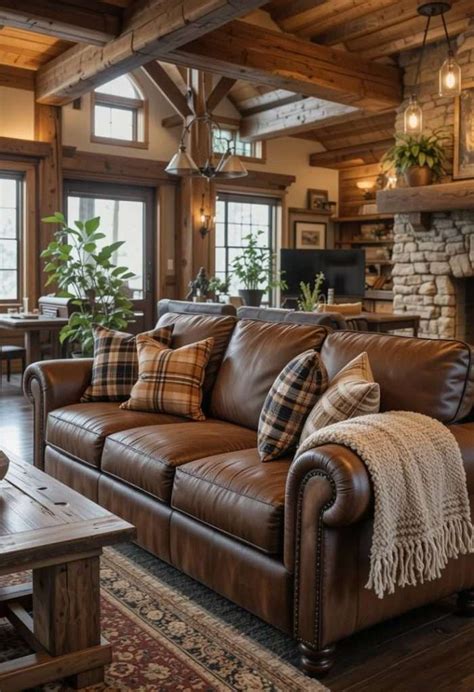
Leather has long held a privileged place in American interior design, transitioning easily from historic libraries and formal sitting rooms to open-concept suburban family spaces and urban industrial lofts. One primary driver of this enduring popularity is resilience. Unlike woven fabrics that trap dust, pet dander, and microscopic allergens, quality leather offers a smooth, manageable surface that resists everyday staining when properly maintained. For busy households, this practical advantage makes leather a sensible long-term investment rather than a delicate, high-maintenance luxury.
Beyond maintenance, the visual aging process of genuine leather provides an aesthetic depth that synthetic materials simply cannot replicate. As natural oils from daily use settle into the hide, the surface softens, developing subtle color variations and a lived-in patina. This evolution means a classic leather couch actually looks better after a decade of movie nights and afternoon naps, making it a sustainable choice for homeowners who value longevity over fast-furniture trends.
The Chesterfield: Iconic Heritage and Dramatic Presence
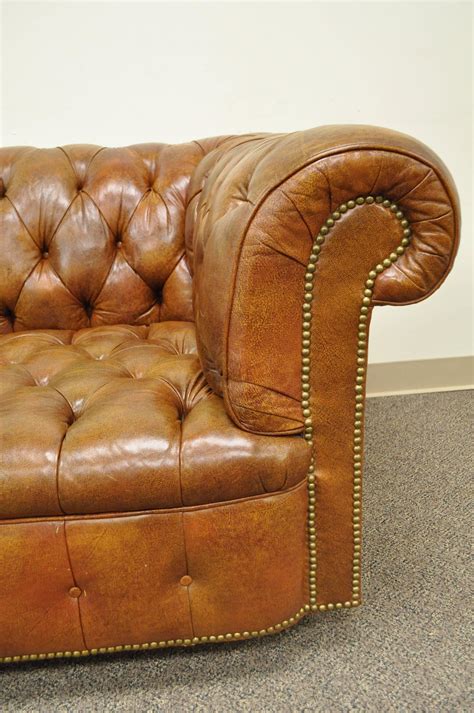
Few furniture designs command a room quite like a traditional Chesterfield sofa. Instantly recognizable by its signature rolled arms that sit at the exact same height as the backrest, along with deep diamond button tufting and nailhead trim, the Chesterfield brings immediate architectural gravitas to any space. Originally popularized in British drawing rooms, this silhouette has become a staple in American dens, studies, and transitional living rooms seeking a touch of tailored formality.
Integrating a Chesterfield into a contemporary American home requires mindful spatial planning. Because of its dense padding, rolled arms, and substantial frame, a full-sized Chesterfield can easily overwhelm a compact apartment or a heavily cluttered room. To balance its heavy visual weight, pair it with streamlined, lightweight surroundings such as a minimalist glass-topped coffee table, slim metal floor lamps, and neutral linen drapery that allows the rich leather texture to serve as the undisputed focal point.
The English Roll Arm: Casual Comfort and Relaxed Elegance
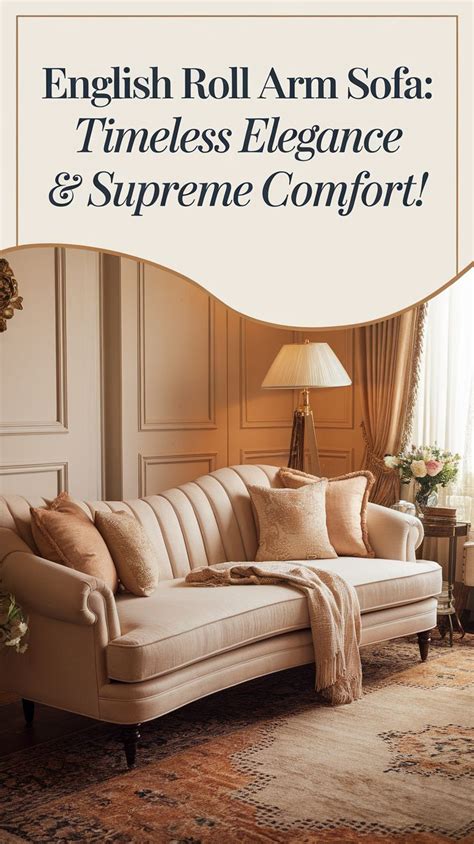
If you prefer a softer, more inviting silhouette that encourages curling up with a book, the English Roll Arm sofa is a perennial favorite. Characterized by low, gently curved arms, loose cushions, and a slightly gathered pleat where the arm meets the frame, this style trades the rigid formality of the Chesterfield for an approachable, laid-back charm that fits seamlessly into modern farmhouse, coastal, and transitional interiors.
The deep seat depth and plush cushion construction of the English Roll Arm make it a top choice for everyday family rooms where maximum relaxation is the main priority. When upholstered in a warm, distressed pull-up leather—which lightens temporarily when stretched—this sofa style quickly adopts a welcoming, casual aesthetic. It pairs wonderfully with oversized woven area rugs, reclaimed wood side tables, and soft layered throw blankets that soften the overall room composition.
Mid-Century Modern Leather Sofas: Clean Lines and Warm Wood Accents
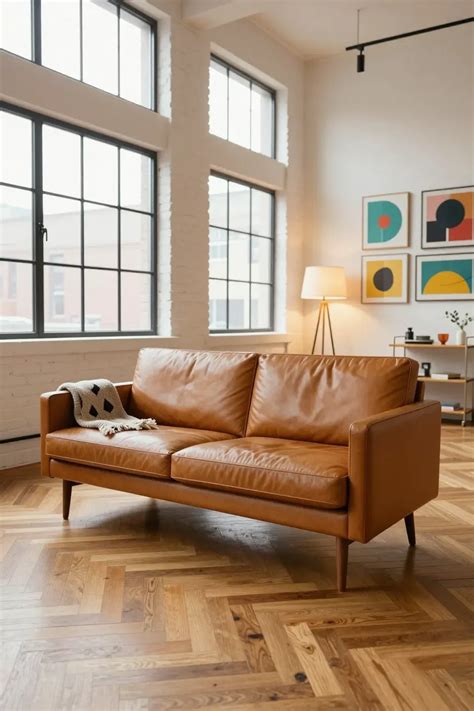
For homeowners working with smaller square footage, apartment floor plans, or architectural spaces featuring clean lines and large windows, Mid-Century Modern leather sofas offer a brilliant design solution. Defined by exposed wooden frames, tapered legs, tufted or channeled bench seats, and low-profile backs, these sofas maximize visual floor space while maintaining a sophisticated, tailored profile.
The elevated legs of a mid-century leather sofa allow light to flow underneath the furniture piece, making modest living rooms feel significantly more open and expansive. Leather in warm caramel, cognac, or dark walnut tones complements the natural wood elements typical of this design era. Pair these sofas with abstract geometric art, teak shelving units, and textured wool rugs to create a cohesive mid-century aesthetic that feels curated rather than dated.
Selecting the Right Leather Grade and Finish
The longevity and tactile experience of your sofa depend heavily on the grade and finish of the hide selected. Full-grain leather is the highest quality available, retaining the natural grain and markings of the hide, which allows it to breathe and age gracefully with a stunning patina. Top-grain leather has been lightly sanded to correct minor imperfections and treated with a protective finish, making it slightly more resistant to stains and scratches—an ideal middle ground for households with pets or young children.
Conversely, bonded or split leathers are constructed using leftover leather scraps bonded with adhesives, which lack the durability and breathable comfort of genuine top-grain or full-grain hides. When evaluating finishes, look for aniline or semi-aniline dyes. Aniline leather is dyed exclusively with soluble dyes without a heavy top coat, preserving the buttery-soft natural feel, while semi-aniline features a light protective coating that balances natural softness with practical stain defense.
Frequently Asked Questions
What are the most popular classic leather sofa styles in the U.S.?
The most sought-after classic leather sofa styles in American homes include the Chesterfield (known for its rolled arms and button tufting), the English Roll Arm (favored for casual comfort), and Mid-Century Modern designs featuring sleek profiles and exposed wood legs.
How do I choose between a Chesterfield and an English Roll Arm sofa?
Choose a Chesterfield if you want a formal statement piece with deep button tufting and traditional architectural presence. Opt for an English Roll Arm if your priority is relaxed, sink-in comfort and a casual aesthetic that fits transitional or modern farmhouse spaces.
Which leather types age the best and handle daily wear and tear?
Full-grain and high-quality top-grain leathers age the best. Full-grain develops a gorgeous natural patina over time, while top-grain offers a protective finish that makes it more resistant to scratches and everyday wear from pets or children.
What home decor styles pair best with classic leather sofas?
Classic leather sofas are remarkably versatile. They pair beautifully with industrial, traditional, transitional, modern farmhouse, and mid-century modern decor, depending on the specific sofa silhouette, leg finish, and surrounding accessories.
How do I size a leather sofa for my living room layout?
Measure your room dimensions carefully and use painter’s tape on the floor to outline the sofa’s footprint. Ensure you leave at least 30 to 36 inches of clear walking space around the sofa, and consider low-profile or elevated leg designs if you want to keep smaller rooms feeling open.


