Designing a living room that successfully marries high-end aesthetic appeal with everyday comfort often feels like navigating a complex design puzzle. Contemporary American living spaces serve multiple functions, acting as quiet retreats for evening relaxation, vibrant hubs for family gatherings, and occasionally makeshift home offices. To meet these varied demands, homeowners and renters alike are looking beyond traditional stationary sofas toward smart seating solutions. These modern designs incorporate adaptive ergonomics, flexible modular configurations, and discreet technology integration, proving that functionality no longer needs to compromise sophisticated interior styling.
When planning your layout, it helps to analyze your daily routines and traffic patterns before purchasing any furniture piece. Consider how natural light enters the space, where television or focal points are positioned, and how many people typically use the room at once. By mapping out these practical daily requirements ahead of time, you can select seating pieces that not only look incredible in a showroom but also genuinely enhance your household’s day-to-day lifestyle.
Defining Modern Comfort in the Living Room
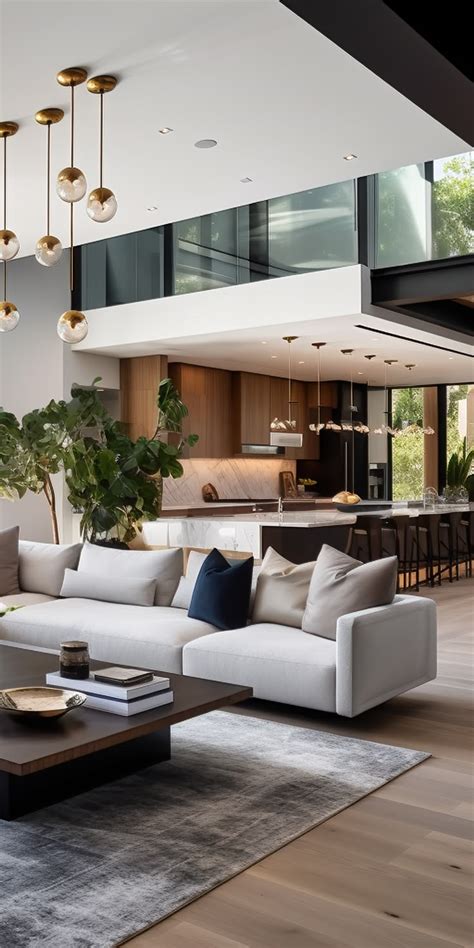
Modern comfort has evolved far beyond the bulky, overstuffed recliners of the past. Today, true seating comfort involves a harmonious blend of ergonomic support, adaptability, and sensory appeal tailored to how people actually live in their homes. When evaluating seating for an American living room, designers look at how well a piece accommodates different postures, whether reading upright, lounging with a laptop, or stretching out for a short nap.
Achieving this balance requires understanding the underlying proportions of the room and the physical needs of its occupants. A truly comfortable sofa supports the lumbar region while maintaining a silhouette that feels light and airy rather than visually heavy. By prioritizing high-resilience foam cores paired with supportive pocket springs, modern manufacturers deliver plush seating surfaces that resist sagging over years of daily use, ensuring long-term satisfaction.
Furthermore, testing the seat depth and cushion density relative to your height can prevent chronic discomfort during long relaxation sessions. Taller family members generally benefit from deeper seat configurations and higher backrests, while standard proportions work exceptionally well in multi-use spaces where guests frequently sit upright to converse. Striking this dimensional sweet spot ensures that your seating investment accommodates every member of the household comfortably.
Smart Features in Contemporary Seating
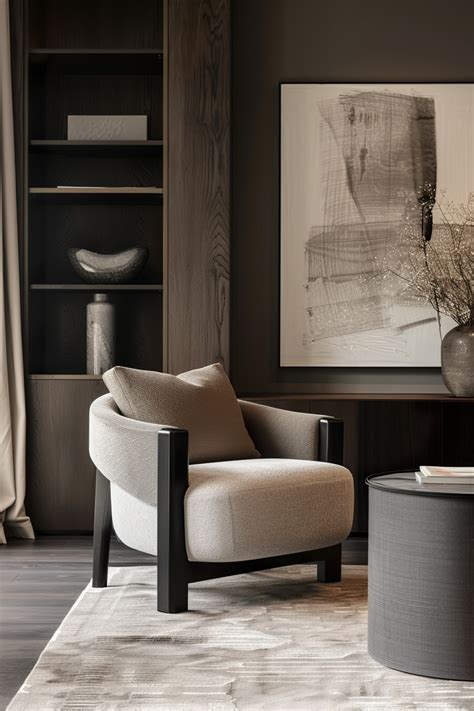
The term ‘smart seating’ frequently conjures images of complicated machinery, but contemporary iterations focus on seamless, user-friendly enhancements that improve daily life. Integrated charging ports, concealed power strips, and whisper-quiet motorized recline mechanisms allow furniture to respond effortlessly to modern digital habits without creating an unsightly tangle of cords across the living room floor.
Furthermore, many advanced seating solutions feature programmable memory positions and adjustable headrests that cater to individual ergonomic preferences at the touch of a button. The key trade-off when selecting tech-integrated furniture is managing power source access. Careful layout planning ensures that floor outlets or discreet cord management channels keep the living room looking polished and intentional rather than cluttered with wires.
Implementing these features successfully often involves coordinating with your flooring and rug placement. If your seating floats in the middle of a large open-plan living room, you must plan for cord concealment beneath area rugs or utilize battery-powered internal packs to avoid running visible extension cords across walking paths. Anticipating these logistical details protects the clean architectural lines of your interior design.
Modular Flexibility for Evolving Spaces
One of the most practical seating innovations for contemporary homes is the modular sofa system. Unlike rigid three-piece suites, modular designs consist of interchangeable sectional components that can be reconfigured as your spatial needs change. Whether you are rearranging the room to host a large holiday gathering or dividing an open-plan layout into distinct conversational zones, modular flexibility provides unmatched versatility.
When choosing a modular setup, assess the scale of your room carefully to avoid overwhelming smaller square footage. Low-profile frames with slim armrests maximize usable seating area while maintaining an open sightline across the room. Pairing these flexible pieces with a lightweight accent chair or an ottoman with hidden storage allows you to adapt your layout instantly without permanently sacrificing valuable floor space.
Experimenting with different module arrangements also allows you to refresh your interior design seasonally without purchasing new furniture. Moving a chaise attachment from the left side to the right, or separating a large sectional into an independent sofa and loveseat configuration, completely alters the room’s energy and flow. This adaptability makes modular seating a cost-effective, long-term asset for growing families and frequent movers.
Balancing Tech and Aesthetics for Cohesive Design
Integrating functional, technology-driven furniture into a curated interior requires a thoughtful approach to materials and silhouette. Bulky reclining mechanisms and exposed control panels can easily disrupt a minimalist or mid-century modern aesthetic if not chosen with care. To maintain a cohesive look, seek out designs where buttons are subtly embedded into the inner armrest or upholstered in matching fabrics that blend invisibly into the furniture frame.
Textiles and color palettes also play a critical role in unifying smart seating with the rest of your decor. Performance fabrics that mimic the tactile richness of linen or textured boucle offer the durability required for active households while retaining an upscale look. By anchoring your tech-enabled seating with complementary rugs, layered lighting, and tactile throw pillows, you ensure that high-tech convenience enhances rather than overshadows your overall design vision.
Creating visual harmony ultimately relies on pairing your smart seating with complementary accent pieces that soften any industrial elements. Incorporating warm wood tones, organic ceramics, and soft drapery balances out the metallic finishes and motorized components found in modern furniture. This careful layering of textures guarantees that your living room remains an inviting sanctuary rather than feeling like a sterile tech showroom.
Frequently Asked Questions
What makes a living room seating solution ‘smart’?
A smart seating solution goes beyond traditional furniture by incorporating features that enhance daily usability, such as built-in USB or wireless charging ports, motorized adjustable recline mechanisms, modular flexibility, and hidden storage compartments designed to support modern lifestyles.
How can I integrate bulky reclining or tech furniture into a stylish modern living room?
You can maintain a sophisticated aesthetic by choosing pieces with low-profile silhouettes, concealed control buttons, and upholstery options in neutral performance fabrics. Pairing them with streamlined accent furniture and proper lighting helps soften their visual impact.
What are the best modular seating options for flexible spaces?
For flexible or compact spaces, sectional modular sofas with interchangeable chaise units and slim armrests are ideal. They allow you to reconfigure the layout easily to suit different occasions without overcrowding the room.
How do I choose between plush comfort and sleek modern aesthetics?
Look for hybrid designs that use high-resilience foam and supportive inner springs housed within clean, tailored frames. This approach provides the deep comfort you want without sacrificing the sharp lines characteristic of modern interior design.


