When planning a living room update, few design elements introduce warmth, durability, and refined character quite like leather seating. Whether you are anchoring an expansive suburban open-concept floor plan or updating a cozy urban apartment, selecting the right leather piece changes the entire atmosphere of the room. Leather bridges the gap between sophisticated aesthetics and everyday practicality, provided you understand how different hides, colors, and configurations interact with your daily life and spatial dimensions.
Understanding Leather Grades and Their Long-Term Performance
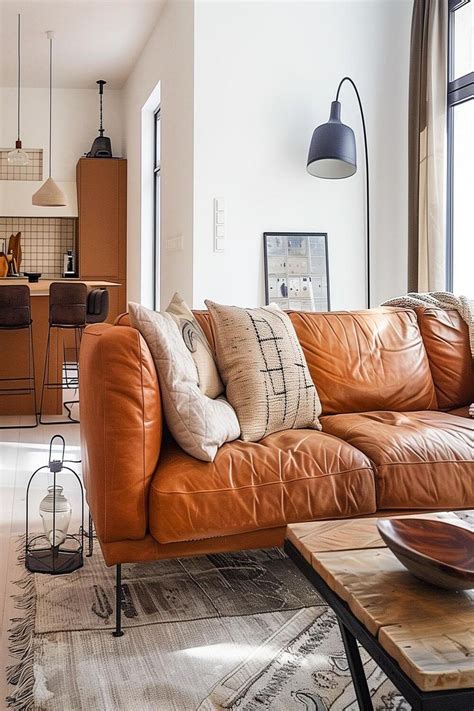
The foundation of any great leather purchase lies in understanding the distinct grades available on the market. Navigating options like full-grain, top-grain, and corrected leather can feel overwhelming, but each serves a specific purpose depending on your household dynamic and expectations for aging. Full-grain leather retains the hide’s natural surface, complete with unique markings and imperfections, allowing it to develop a rich, lustrous patina over years of use. It is exceptionally breathable and durable, making it the premier choice for traditional or rustic American interiors where character deepens with time.
Top-grain leather, by contrast, undergoes light sanding and buffing to remove natural flaws, followed by an artificial grain application and protective finish. This treatment yields a more uniform appearance and enhanced resistance to stains, which appeals strongly to busy households with children or pets. While it may not develop the same dramatic organic patina as full-grain hide, top-grain leather offers a reliable compromise between luxurious softness and manageable maintenance. Avoiding low-end bonded leather is generally advisable for primary seating areas, as it tends to peel and crack under typical wear and tear conditions found in active living spaces.
Matching Leather Tones to Popular U.S. Interior Styles
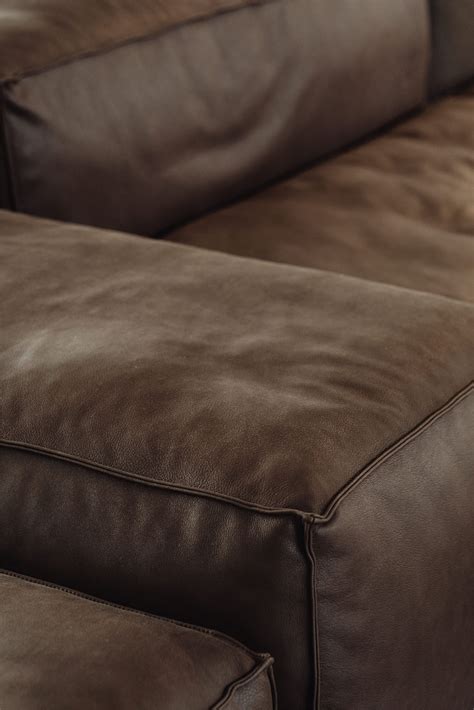
Selecting the ideal color for your leather seating requires looking beyond the showroom floor and considering your home’s natural light and existing color palette. Warm caramel, cognac, and chestnut shades bring an inviting, organic richness to modern farmhouse and transitional living rooms, especially when paired with textured wool rugs and reclaimed wood accents. These warm hues naturally complement the warm undertones found in many American architectural styles, from Craftsman bungalows to suburban ranch homes.
For a sleek, contemporary aesthetic, darker charcoal, midnight black, or cool taupe leather introduces architectural contrast without overwhelming smaller spaces. When integrating a commanding dark leather sofa into a bright room, balancing the heavy visual weight with lighter textiles like linen curtains, cream-colored throw pillows, and light oak flooring creates a cohesive, grounded environment. Conversely, creamy ivory or soft stone-colored leather can brighten dark, north-facing living rooms, though these lighter shades require a bit more vigilance against denim dye transfer and everyday spills.
Sizing and Layout Strategies for American Floor Plans
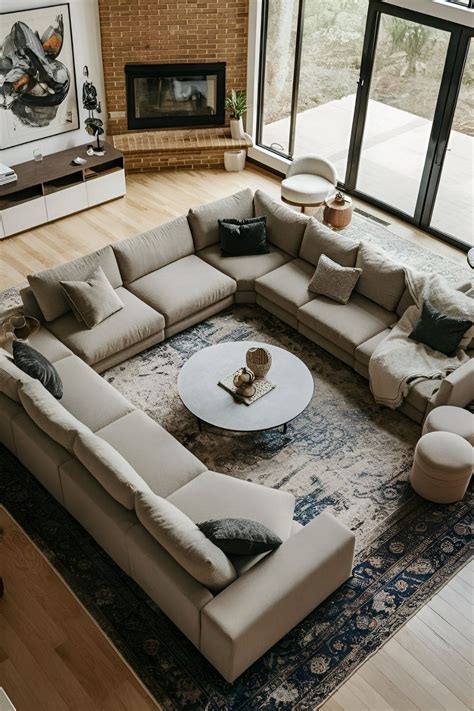
Floor plan dynamics heavily dictate whether a grand sectional or a tailored sofa and accent chair pairing will best serve your household. In spacious American suburban homes featuring open-concept great rooms, a large L-shaped or modular leather sectional defines conversational zones while offering ample seating for family movie nights. To prevent a massive leather piece from dominating the room visually, position it away from primary traffic lanes and anchor it with a large area rug that extends at least a few inches beneath the front legs of the furniture.
For compact urban apartments or historic row houses, a streamlined apartment sofa paired with a slim-profile leather armchair preserves valuable floor space while maintaining a luxurious feel. Consider pieces with exposed wooden legs or raised metal bases; lifting the seating off the floor allows light to pass underneath, creating an illusion of greater square footage. Strategic placement near natural light sources also accentuates the natural grain of the leather, highlighting the quality of the material without crowding the room’s layout.
Routine Maintenance and Conditioning for Lifelong Beauty
Preserving the supple feel and striking appearance of leather furniture demands a consistent, gentle maintenance routine rather than intensive labor. Regular dusting with a soft, dry microfiber cloth prevents abrasive dirt particles from settling into the natural crevices of the grain. For routine cleaning, a slightly damp cloth with mild, additive-free soap is usually sufficient, followed by immediate drying with a clean towel to protect the integrity of the finish.
Applying a specialized leather conditioner every six to twelve months helps replenish natural oils, particularly in homes located in arid climates or regions with aggressive heating and cooling systems that dry out the air. Avoiding direct, prolonged exposure to harsh sunlight prevents premature fading and cracking, ensuring your investment remains a stunning focal point in your home for decades to come.
Frequently Asked Questions
How do I choose the right type of leather for a busy household with pets or kids?
For active households, top-grain leather with a protective finish is generally the most practical choice. It resists minor scratches, wipes clean easily from spills, and maintains a uniform look, whereas full-grain leather shows every scratch and requires more attentive care.
What leather colors are currently trending in U.S. interior design?
Earthy, warm tones such as cognac, saddle brown, and rich caramel continue to dominate American interior design. Additionally, sophisticated neutral shades like muted olive, charcoal, and soft taupe are gaining popularity for modern and transitional spaces.
How can I style a large leather sectional without making the room feel heavy?
You can balance the heavy visual weight of a large leather sectional by incorporating lighter elements around it. Use light-colored area rugs, airy linen window treatments, woven throw blankets, and accent pillows in contrasting fabrics like cotton or velvet.
What is the difference between full-grain and top-grain leather in terms of aging?
Full-grain leather is un-sanded and develops a rich, unique patina over time that tells a visual story of use. Top-grain leather is lightly buffed and finished to resist stains and wear, meaning it retains a more consistent, factory-fresh appearance throughout its lifespan.


