Creating a living room that feels both sophisticated and deeply welcoming is an art form rooted in intentional choices. Across American homes, from historic brownstones to sprawling suburban open-concept layouts, the living room serves as the primary gathering space for family and guests alike. Approaching this space with a curated eye means moving away from mismatched furniture sets and leaning toward a cohesive narrative of color, texture, and personal history. By applying classic, editor-approved interior design principles, you can elevate your everyday surroundings into a refined retreat.
Establishing a Purposeful Color Palette and Focal Point
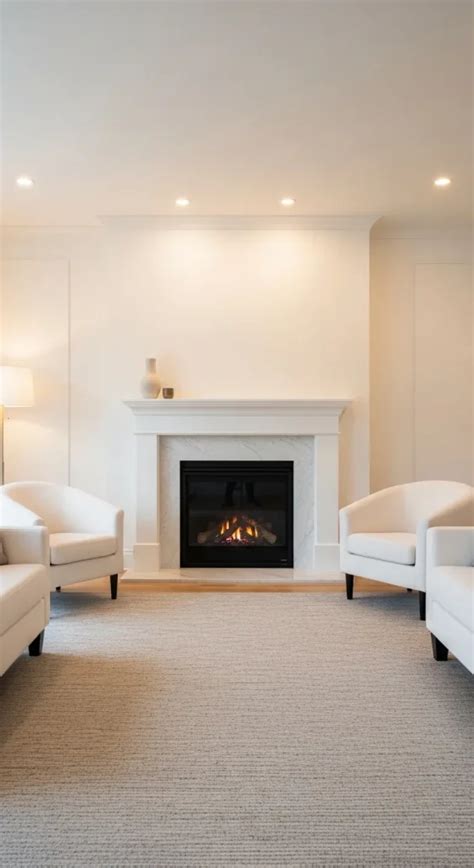
Every successful room design begins with a clear anchor and a disciplined color palette. In many traditional and modern U.S. homes, the natural focal point is already built into the architecture—such as a fireplace, a large picture window overlooking a garden, or a dedicated media wall. Rather than competing with these architectural elements, your furniture placement and color choices should highlight them, drawing the eye naturally across the space.
When selecting your palette, consider the quality of natural light your home receives. Rooms facing north in cooler climates often benefit from warm, creamy neutrals and subtle gold undertones, while sun-drenched southern exposures can handle crisp whites, soothing blues, and earthy greens. A sophisticated color scheme typically relies on a sixty-thirty-ten ratio: sixty percent dominant wall or large furniture color, thirty percent secondary tone for upholstery or drapery, and ten percent accent color distributed through art, pillows, and decorative objects.
Balancing Comfort and Sophistication in Furniture Layout
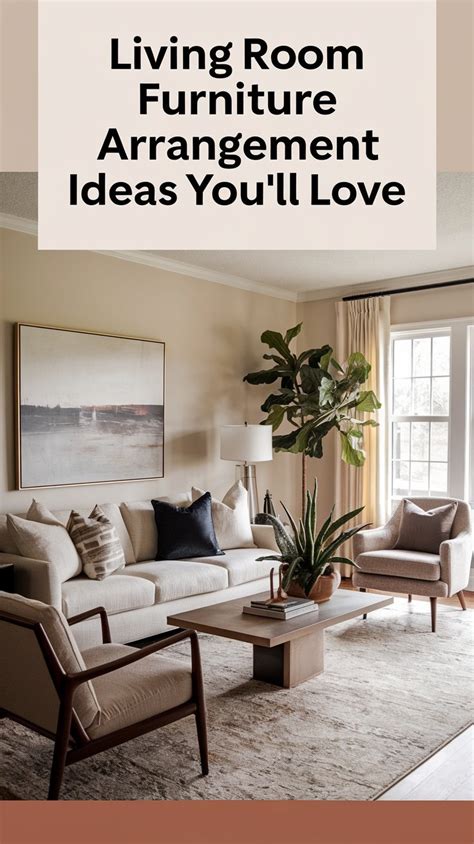
Comfort and elegance are not mutually exclusive; in fact, the most inviting rooms achieve a seamless balance between the two. American living rooms often grapple with scale issues—either furniture is too small for a cavernous open-concept room or oversized sectional sofas overwhelm a cozy suburban den. The key to a polished layout is prioritizing conversation areas and maintaining clear pathways for movement throughout the home.
Pull your larger seating pieces slightly away from the walls to create a more intimate, conversational grouping, even in a larger room. Ensure that every seat has access to a surface, whether it is a sturdy coffee table, a sleek side table, or a neatly tucked-in garden stool. Mixing silhouettes—such as pairing a tailored rectilinear sofa with rounded armchairs—adds visual depth and prevents the room from feeling stiff or overly staged.
Layering Textures and Textiles for Tactile Warmth

A room decorated entirely in smooth, flat surfaces can quickly feel sterile. To achieve a rich, curated atmosphere, you must layer textiles and natural materials throughout the space. Combine nubby wool rugs, crisp linen drapery, leather or velvet upholstery, and natural wood finishes to stimulate the senses and make the room feel grounded and lived-in.
Window treatments play an especially vital role in elevating a standard room. Hanging your curtain rods closer to the ceiling rather than directly above the window frame draws the eye upward, instantly making ceilings feel higher and rooms more grand. Pair lightweight linen sheers with heavier, lined drapes to control privacy and light while adding a luxurious architectural weight to the windows.
Lighting Strategies for Atmosphere and Function
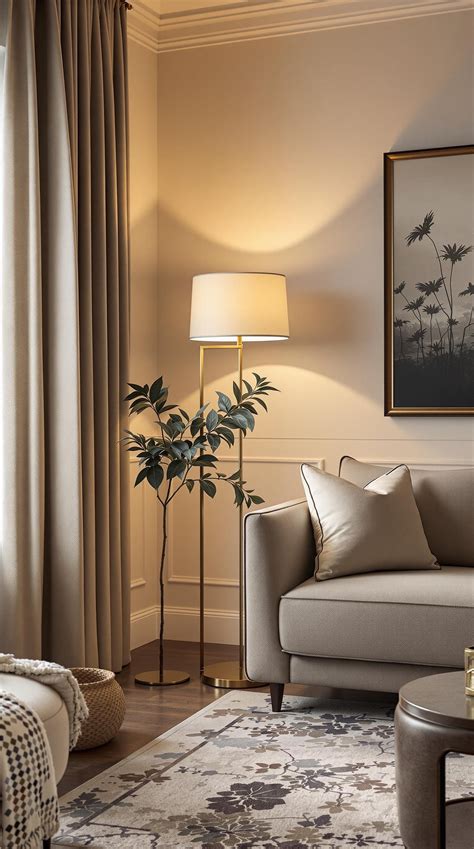
Relying on a single overhead ceiling fixture is one of the fastest ways to drain a living room of its charm. A truly well-designed space employs layered lighting operating at different heights. Combine ambient lighting from recessed fixtures or chandeliers with task lighting for reading corners and accent lighting to highlight artwork, bookshelves, or architectural details.
Incorporate table lamps with dimmer switches and floor lamps with adjustable arms to easily transition the room’s mood from bright and energizing during daytime family activities to warm and intimate for evening relaxation. The glow of multiple soft light sources at varying heights creates shadows and highlights that make the entire room feel larger, richer, and far more inviting.
Curating Accessories and Personal Collections with Restraint
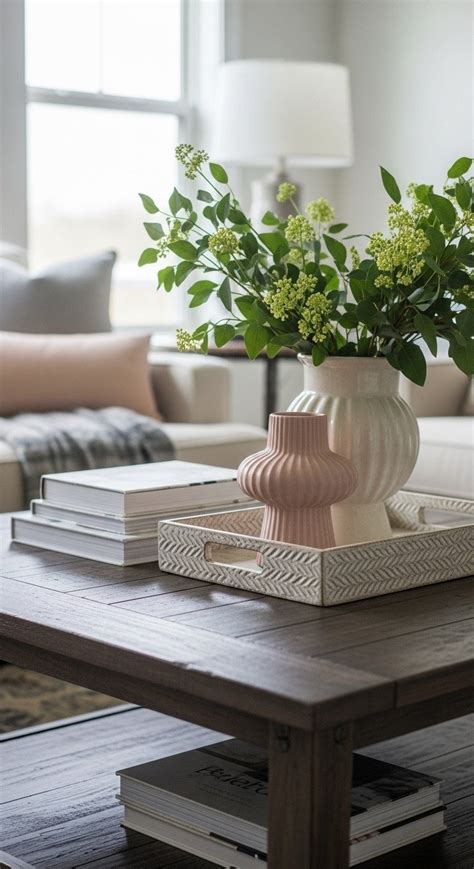
The final step in creating a stunning living room involves styling your surfaces with personal mementos, books, and art. Avoid the temptation to clutter every horizontal surface. Instead, curate your favorite objects into intentional vignettes, combining items of varying heights, textures, and materials—such as stacking art books beneath a heavy brass bowl or pairing a framed photograph with a sculptural ceramic vase.
Rotate your collections seasonally to keep the space feeling fresh and vital. Incorporating greenery, whether through tall statement branches in a ceramic urn or small potted plants on a side table, brings organic life into the room. By exercising restraint and editing your decor thoughtfully, you ensure that every treasured piece stands out and contributes to a calm, sophisticated home environment.
Frequently Asked Questions
How can I make a small living room look more curated and spacious?
Focus on vertical space by hanging curtains high, choose furniture with exposed legs to allow light to flow underneath, and keep your color palette cohesive and light to minimize visual clutter.
What is the best way to mix different patterns in a living room?
Combine patterns of varying scales—such as pairing a large-scale floral or geometric print with a medium-scale plaid and a small-scale stripe—while keeping your core color palette consistent to tie them together.
Should all my living room furniture match?
No. Purchasing matching living room sets often makes a space feel flat and uninspired. Mixing materials, eras, and finishes creates a more authentic, designer-curated look.


