Updating your main gathering space does not require a complete structural renovation or an unlimited budget. Across American homes, contemporary interior styling has shifted away from stark, sterile minimalism toward spaces that prioritize comfort, personality, and tactile warmth. Whether you own a suburban house or rent an urban apartment, implementing a few strategic design choices can completely transform how your living room feels and functions on a daily basis.
Achieving a modern, curated look involves balancing foundational investment pieces with flexible, trend-aware accents. By understanding the core design movements currently shaping U.S. interiors—such as warm minimalism, thoughtful texture layering, and intentional lighting—you can create a balanced environment that feels both sophisticated and deeply livable.
Embrace Warm Neutrals and Earthy Color Palettes
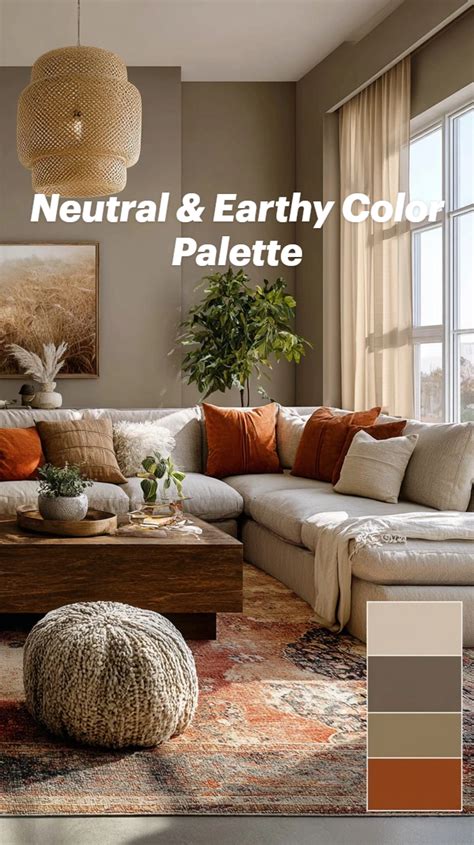
The era of cool grays and ultra-stark white walls is gradually giving way to richer, more grounding hues. Modern U.S. living rooms increasingly rely on warm neutrals like creamy alabaster, soft terracotta, muted olive, and deep clay tones. These colors absorb light differently than stark whites, making a room feel immediately cozier and more inviting throughout changing daylight hours.
For homeowners, committing to an earthy palette can be as straightforward as repainting accent walls or investing in a larger foundational piece, such as a camel-colored leather sofa or an oatmeal-hued sectional. If you are renting and cannot paint the walls, you can introduce these warm tones through large-scale canvas art, oversized area rugs, or slipcovers that easily slide over existing furniture without causing damage.
Balancing Bold Accents with Neutral Foundations
When incorporating richer earthy shades, the key to maintaining visual balance is restraint. Choose one or two focal colors to repeat across smaller items like throw pillow covers, ceramic vases, or woven baskets. This creates a cohesive visual flow without overwhelming the room’s primary footprint, ensuring the space remains calm and uncluttered.
Another effective strategy is to play with varying gloss levels and finishes within the same color family. Pair a matte plaster wall finish with polished wood furniture or brushed brass hardware. This subtle contrast adds depth and richness to neutral spaces without relying on loud, distracting patterns or high-contrast color schemes.
Layer Textures for Depth and Tactile Comfort
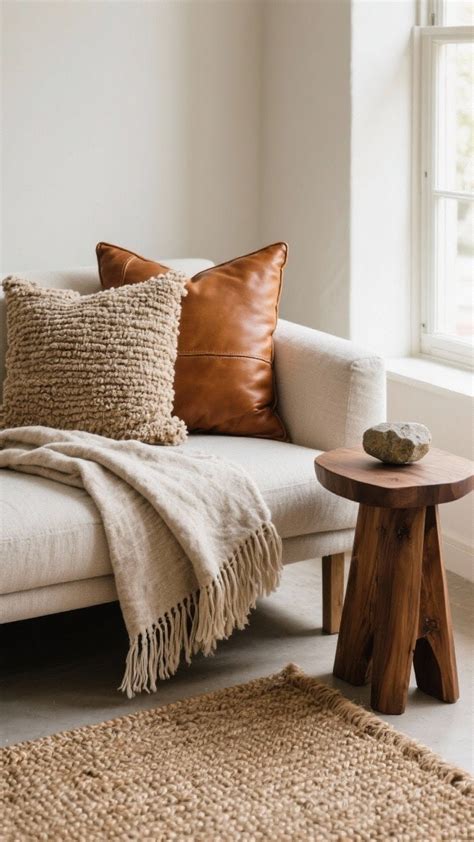
A room decorated in a single color can easily look flat if all the surfaces share the same tactile quality. Current interior design approaches emphasize the importance of mixing materials to stimulate the senses. Combining smooth leather, nubby bouclé, raw wood, and polished stone instantly adds architectural interest and visual weight to an otherwise simple room layout.
Start from the ground up by layering a smaller vintage-style rug over a larger, neutral jute or sisal base rug. This technique anchors the seating arrangement and introduces immediate pattern and texture. On your sofa, combine linen pillows with chunky knit wool throws to invite physical touch and make the seating area look professionally styled rather than overly staged.
Selecting Durable and Sustainable Materials
Prioritizing quality textures often goes hand in hand with choosing sustainable, long-lasting materials. In many American households, vintage wooden coffee tables, rattan accent chairs, and handcrafted ceramic decor have replaced mass-produced synthetic items. These pieces not only carry unique character and history but also age gracefully with everyday wear and tear.
When shopping for new textiles, look for natural fibers like organic cotton, linen, and wool. While they may require slightly more intentional care, they breathe better, feel more comfortable against the skin, and contribute to healthier indoor air quality compared to heavy petroleum-based synthetics.
Optimize Lighting Layers for Mood and Functionality
Overhead ceiling lighting alone is rarely enough to create a warm, inviting living room atmosphere. Contemporary U.S. design relies on a multi-tiered lighting strategy that combines ambient, task, and accent fixtures. This approach allows you to shift the mood of the room instantly depending on whether you are hosting guests, reading a book, or unwinding after a long workday.
Incorporate floor lamps with warm-bulb outputs in dark corners, place a stylish table lamp on a side console to cast a soft glow downward, and utilize dimmers on your primary overhead fixtures. For renters who cannot hardwire new wall sconces or overhead lights, plug-in swing-arm sconces and rechargeable battery-operated picture lights offer a brilliant workaround that requires zero electrical modification.
Incorporate Multi-Functional and Flexible Layouts
Modern lifestyles demand living rooms that work hard and adapt quickly. Whether your space needs to double as a home office corner, a children’s play area, or a comfortable media den, flexible layouts are essential. Opt for furniture that serves multiple purposes, such as an upholstered storage ottoman that functions as extra seating, a footrest, and a hidden spot for blankets.
Modular sofas and nesting coffee tables are also gaining popularity across the United States because they allow homeowners to reconfigure their room layout easily. If you host a large gathering, nesting tables can be pulled apart to serve guests; when you need floor space for yoga or playtime, they tuck neatly underneath one another to open up the room.
Frequently Asked Questions
What are the top living room design trends in the U.S. right now?
Current U.S. living room trends focus on warm minimalism, earthy color palettes like terracotta and olive, heavy texture layering with natural fibers, and flexible, multi-functional layouts that support everyday living.
How can I refresh my living room on a budget?
You can achieve a high-end look without spending a fortune by rearranging your current layout, swapping out throw pillow covers for richer textures, adding a new area rug, and introducing layered lighting through affordable table and floor lamps.
What are some renter-friendly ways to update a living room?
Renters can update their space using non-damaging solutions like peel-and-stick wallpaper accent walls, plug-in wall sconces, large-scale area rugs to cover outdated flooring, and versatile freestanding furniture rather than built-in installations.
How do I mix different textures and colors harmoniously?
Stick to a unified color family with two or three foundational shades, then introduce varied textures like wood, linen, leather, and wool. The contrast in tactile surfaces adds visual interest without making the room feel chaotic.


