When modern homeowners set out to transform their primary gathering spaces, they often look beyond traditional catalog styling for inspiration. Across popular online home design forums and remodeling communities, real-world discussions consistently center on practical, highly creative solutions that balance aesthetic appeal with daily functionality. Whether you are dealing with a compact urban apartment layout or a sprawling suburban open-concept floor plan, drawing from collective design wisdom helps uncover clever layouts, budget-friendly cosmetic updates, and smart architectural tweaks that elevate a living room without requiring a complete structural overhaul.
Successful living room transformations rely heavily on understanding your space’s unique constraints and defining how you actually use the room on a daily basis. By analyzing common challenges shared by homeowners and renters alike, you can bypass fleeting fads and invest your time and budget into enduring design elements. This guide synthesizes recurring community remodeling strategies into clear, actionable approaches tailored to modern U.S. homes.
Tackling Awkward Layouts and Maximizing Small Spaces
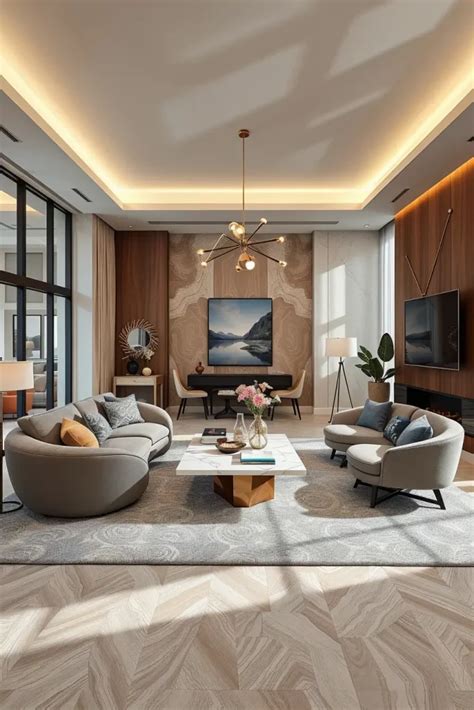
One of the most frequent dilemmas shared in online remodeling discussions involves awkwardly shaped living rooms, dead corners, and limited square footage. Standard furniture arrangements often fail in spaces featuring multiple entryways, unmovable radiators, or combined dining-and-living zones. To overcome these spatial hurdles, community-tested advice emphasizes floating your furniture away from the walls rather than pushing every sofa and armchair firmly against the perimeter. This simple shift creates breathable pathways, improves traffic flow, and makes the overall footprint feel surprisingly expansive.
Another favorite space-planning tactic involves anchoring the seating zone with an appropriately sized area rug that extends beneath the front legs of your primary upholstery pieces. When furniture hovers entirely on a tiny rug, the room immediately feels disjointed and smaller. Additionally, incorporating multifunctional furniture—such as storage ottomans, nesting coffee tables, or modular shelving units—allows you to adapt the room for entertaining, working from home, or quiet family evenings without adding visual clutter.
Balancing Modern Minimalism with Warm Textures
While ultra-minimalist interiors featuring stark white walls and sleek metal finishes dominated design trends for years, contemporary discussions favor a softer, more inviting evolution often described as warm minimalism or soft modernism. Homeowners frequently express a desire to avoid sterile, showroom-like environments in favor of spaces that feel deeply personal and lived-in. Achieving this balance requires layering organic textures, such as brushed oak cabinetry, linen upholstery, handmade ceramics, and rustic wool throw blankets, against clean architectural lines.
To implement this look successfully, focus on editing your accessories while upgrading the tactile quality of your core investment pieces. Instead of filling shelves with numerous small trinkets, curate a few meaningful objects with varied heights and finishes. Incorporating warm wood tones through floating shelves or a reclaimed timber coffee table instantly grounds a contemporary room, preventing neutral color palettes from feeling cold or uninviting.
High-Impact, Budget-Friendly Upgrades Versus Major Renovations
Remodeling a living room does not always require demolishing drywall or hiring a general contractor. Many of the most transformative updates discussed by budget-conscious homeowners rely on high-impact cosmetic changes that can be completed over a single weekend. Installing classic picture-frame molding or board-and-batten accent walls adds architectural depth and high-end character to builder-grade drywall at a fraction of the cost of structural remodeling.
Lighting upgrades also offer an exceptional return on investment. Swapping out a dated overhead flush-mount fixture for a sculptural modern chandelier or a statement flush mount immediately alters the visual weight of the ceiling. Furthermore, replacing old toggle light switches with modern dimmers allows you to effortlessly shift the mood of the room from bright and functional during daytime work hours to warm and atmospheric in the evening.
Defining Focal Points and Strategic Lighting Layers
Every well-designed living room benefits from a clear focal point that draws the eye and anchors the room’s arrangement. While a traditional fireplace remains a classic anchor in many American homes, rooms lacking a hearth can easily establish alternative focal points. Popular community strategies include designing a striking media wall with integrated cabinetry, hanging a large-scale piece of textured artwork, or framing a panoramic window view with tailored drapery panels hung high and wide.
Once your focal point is established, layered lighting is essential to make the space feel functional and well-balanced. Relying solely on a single overhead light source creates harsh shadows and an uninviting ambiance. Instead, combine ambient lighting with task lighting—such as a sleek floor lamp beside a reading chair—and accent lighting that highlights architectural features, bookcases, or artwork, creating a rich interplay of light and shadow throughout the evening hours.
Frequently Asked Questions
How can I make a small living room feel larger without remodeling?
You can visually expand a compact living room by floating your furniture away from the walls, hanging curtain panels high and wide to emphasize vertical space, and incorporating multipurpose furniture with exposed legs that allow light to flow underneath.
What are the most cost-effective ways to update a living room?
High-impact, budget-friendly updates include applying a fresh coat of paint in a warm neutral tone, installing simple DIY wall molding, upgrading your lighting with dimmer switches, and swapping out throw pillows and rugs for richer textures.
How do I choose the right rug size for my living room?
A common mistake is choosing a rug that is too small. Ensure that at least the front legs of all your main seating pieces rest comfortably on the rug to anchor the space and create a cohesive visual boundary.


