For decades, the standard recliner carried an unfortunate reputation in interior design circles. Often associated with oversized, overstuffed silhouettes that dominated a room solely for the sake of relaxation, traditional models rarely harmonized with curated home aesthetics. Fortunately, the furniture landscape has undergone a major shift. Today’s cozy recliners merge ergonomic engineering with sleek lines, luxurious textiles, and sophisticated profiles that elevate a living space rather than overwhelm it.
Whether you are outfitting a sprawling suburban family room or maximizing square footage in a metropolitan apartment, introducing a well-chosen reclining chair offers the ultimate blend of style and downtime. Achieving this balance requires looking past the showroom tag and evaluating how mechanism types, spatial requirements, upholstery fabrics, and visual proportions interact within your everyday environment.
Understanding Modern Recliner Mechanisms and Styles
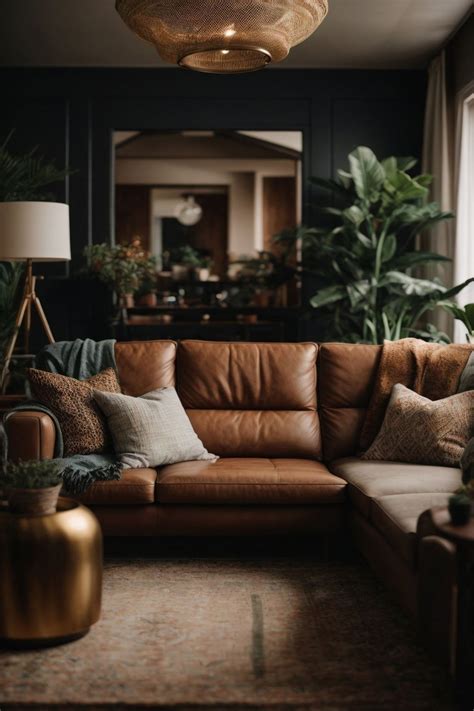
The mechanics inside a recliner dictate not only how it operates, but also how it fits into your room’s layout and daily routines. Traditional manual pull-handle models remain popular for their straightforward mechanics and lack of reliance on electrical outlets, making them versatile for placement anywhere in an open-plan room. However, they typically require substantial clearance behind the backrest to achieve a full recline.
By contrast, wall-hugger recliners slide forward on a track as they recline, needing only a few inches of clearance from the wall behind them. This engineering innovation makes wall-huggers an exceptional choice for tighter living spaces, urban apartments, or multi-functional guest rooms where every square inch matters. Power recliners take convenience a step further by offering infinite positioning via smooth, quiet electric motors, often featuring integrated USB ports and adjustable headrests for personalized ergonomic alignment.
Balancing Form and Function: Styling Your Recliner
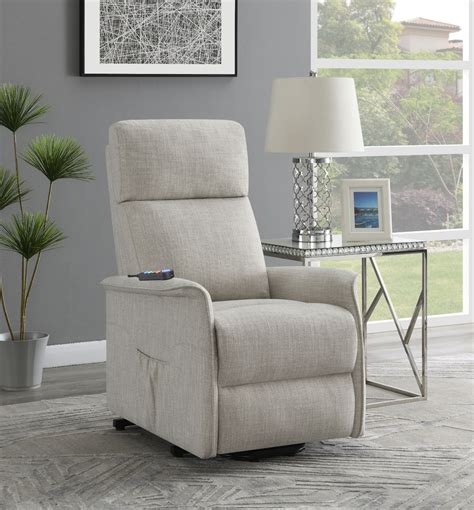
Integrating a cozy recliner into a polished living room starts with silhouette selection. Rather than settling for a bulky frame, look for mid-century modern profiles featuring exposed wooden legs, clean track arms, and tailored tufting. These design cues trick the eye, allowing the chair to read as a stylish accent chair when upright while still delivering deep lumbar and leg support when activated.
Color and texture play an equally critical role in seamless styling. If your main sofa is upholstered in a neutral linen or woven polyester, anchor the room by selecting a recliner in a contrasting rich hue, such as forest green, cognac leather, or deep navy velvet. Alternatively, match the upholstery tone to your existing seating while introducing visual interest through an unexpected texture like bouclé or herringbone tweed.
Spatial Planning and Layout Challenges in U.S. Homes
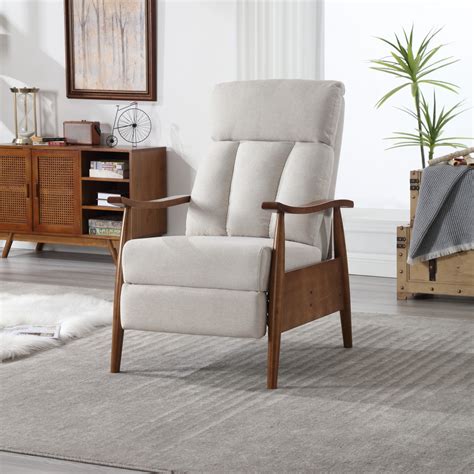
American living rooms often deal with unique spatial challenges, ranging from open-concept great rooms with floating furniture layouts to compact urban apartments where traffic flow is tight. Placing a recliner incorrectly can disrupt the natural pathways of a room, creating bottlenecks near entryways or blocking access to entertainment centers and windows.
Before purchasing, map out your room’s dimensions using painter’s tape on the floor to visualize the chair’s footprint in both its closed and fully reclined states. Ensure there is adequate clearance for footrests and leg extensions without crowding coffee tables or side tables. In open-plan layouts, floating your recliner away from the walls with its back neatly upholstered allows it to act as a natural room divider between dining and living zones.
Selecting Durable Materials for Real-Life Living
The best recliner in the world falls short if its upholstery cannot withstand your household’s daily wear and tear. Homes with active children or pets require performance fabrics treated to resist stains, moisture, and snagging. High-performance wovens and solution-dyed acrylics offer soft, inviting textures while maintaining incredible resilience against daily friction and accidental spills.
Genuine top-grain leather remains a timeless option that develops a rich patina over time, though it requires regular conditioning to prevent drying out in arid climates. Faux leathers and polyurethane alternatives provide a similar aesthetic at a more accessible price point, though they may lack the long-term breathability and durability of authentic animal hide. When evaluating internal frames, prioritize kiln-dried hardwood and reinforced steel mechanisms to guarantee structural integrity through years of daily adjustments.
Frequently Asked Questions
How do I choose a recliner that matches my living room style?
Look for recliners with tailored lines, slim track arms, and exposed legs rather than heavy, skirted upholstery. Matching the leg finish or wood tone to your existing coffee table or media console helps tie the piece into your room’s cohesive design language.
What is the difference between manual and power recliners?
Manual recliners rely on a physical latch or body pressure to shift positions and do not need a wall plug. Power recliners use electric motors for smooth, customizable positioning of the back and footrest independently, often featuring built-in USB ports.
How much space do I need to leave behind a recliner?
Traditional recliners typically require 12 to 18 inches of clearance from the wall to recline fully. If you are tight on space, look for wall-hugger recliners, which slide forward on a track and require as little as 3 to 6 inches of wall clearance.
Which recliner materials are best for pets and kids?
Performance fabrics, such as Crypton or heavily treated microfiber, are exceptional choices because they repel liquids, resist pet hair, and withstand rigorous daily use without showing premature wear.
Are modern recliners good for back support?
Yes, many contemporary recliners feature ergonomic multi-zone padding, adjustable lumbar support, and supportive chaise footrests that alleviate pressure on the lower spine, making them suitable for extended periods of sitting.


