Your living room functions as the social anchor of your home, serving as a spot for evening relaxation, hosting friends, and enjoying quiet weekends. Creating a space that feels deeply personal often seems straightforward in theory, yet the reality of balancing furniture layouts, color schemes, and architectural constraints can quickly become overwhelming. Whether you hold a long-term mortgage on a suburban house or occupy a downtown apartment under a strict lease, your living room should reflect your individual narrative while maintaining practical everyday utility.
Achieving this balance requires understanding how to merge decorative choices with your specific spatial context. Homeowners enjoy the freedom to alter walls, modify electrical layouts, and invest in custom permanent installations. Conversely, renters must navigate lease restrictions that prohibit painting, drilling, or changing standard fixtures. Despite these distinct frameworks, both groups can achieve a highly curated, bespoke aesthetic through strategic layering, intentional furniture arrangement, and clever accessorizing that respects property boundaries or capitalizes on ownership freedom.
Defining Your Core Style and Cohesive Color Palette
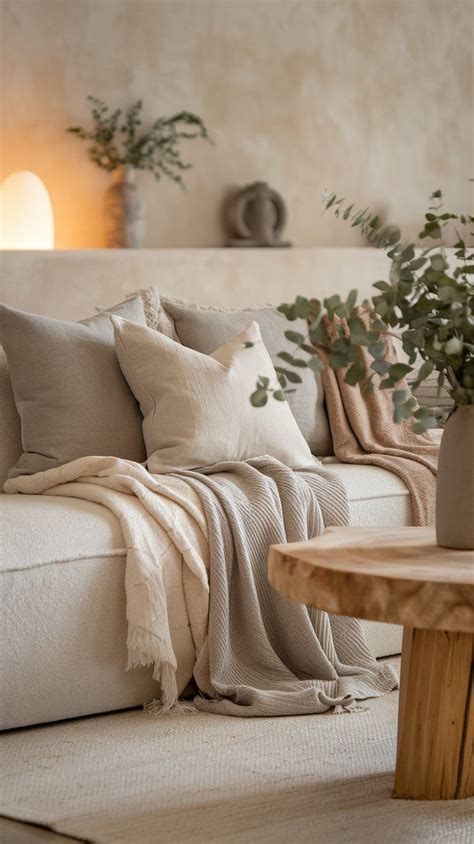
Every successful room design begins with a clear stylistic direction rather than impulsive purchases. Take time to evaluate your daily lifestyle habits before committing to an aesthetic. If you share your space with active pets or young children, ultra-delicate materials and stark white minimalism may create unnecessary daily stress. Instead, look toward durable performance fabrics and organic shapes that offer visual warmth while withstanding heavy everyday use. Gathering physical clippings or digital mood boards helps distill scattered inspiration into a cohesive direction.
Color selection acts as the foundational glue for any personalized interior. Rather than painting every wall a neutral beige out of caution, consider employing a balanced color formula. Utilize a versatile, neutral backdrop for large investment pieces like your sofa and area rug, then introduce personality through layered accent tones in throw pillows, ceramics, and drapery. Homeowners can experiment with bold, saturated wall colors or textured lime-wash finishes, while renters can easily achieve the same dramatic depth using large-scale canvas art, removable wallpaper panels, or richly colored velvet upholstery.
Mastering Furniture Layouts and Establishing a Focal Point
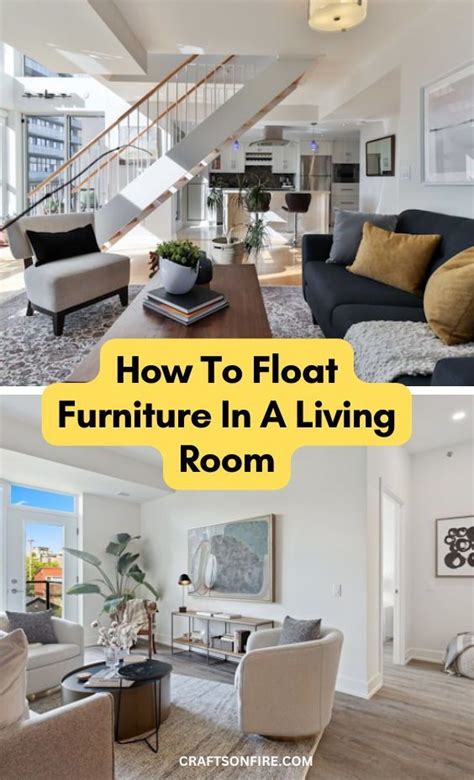
A well-designed living room requires a natural traffic flow and an obvious focal point that draws the eye upon entry. Standard American architectural layouts often feature a fireplace, a large picture window, or a designated media wall as the natural anchor. Arrange your primary seating group to face this feature rather than pushing all furniture tightly against the perimeter walls. Floating your sofa slightly away from the perimeter creates a cozier, more intimate conversational zone, particularly beneficial in open-concept suburban homes or spacious urban lofts.
When working with compact footprints or awkward architectural angles, spatial economy becomes essential. Oversized sectionals can easily overwhelm a modest apartment living room, whereas a streamlined sofa paired with versatile accent stools or modular ottomans maintains flexibility. Always test your planned layout using painter’s tape on the floor before purchasing heavy furniture. This simple step prevents costly sizing mistakes and ensures you maintain adequate clearance for opening doors, walking paths, and accessing windows without obstruction.
Rental-Friendly Upgrades for Maximum Impact
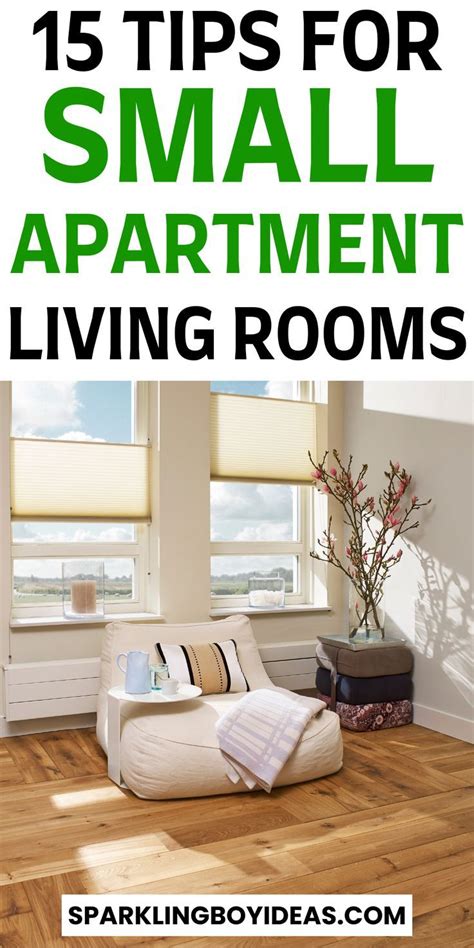
Renting a home should never mean living in a generic, uninspired white box. Transforming a rental requires focusing on non-permanent modifications that deliver high visual returns without risking your security deposit. Swapping out standard builder-grade cabinet pulls, outlet covers, and light switch plates takes minimal time and tools, yet instantly elevates the hardware profile of the room. Simply store the original landlord-approved pieces in a labeled container and reinstall them before moving out at the end of your lease term.
Lighting also plays a transformative role in neutralizing a sterile rental interior. Overhead flush-mount dome lights frequently emit harsh, unflattering glare. Counteract this by establishing warm ambient and task lighting layers through plug-in wall sconces, arched floor lamps, and tabletop fixtures outfitted with warm-toned LED bulbs. To dress up bare windows without drilling unauthorized holes into drywall, utilize heavy-duty tension rods or damage-free adhesive curtain hooks. Layering sheer panels with textured linen drapes immediately softens hard window frames and introduces much-needed vertical height to standard-ceiling apartments.
Permanent Architectural and Structural Upgrades for Homeowners
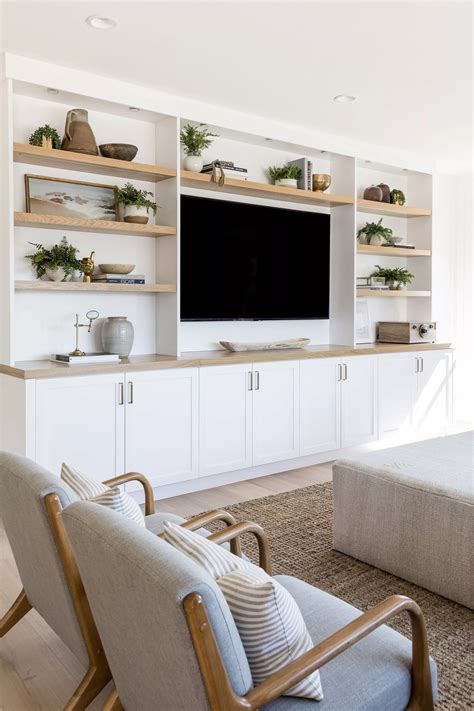
Homeownership unlocks the ability to fundamentally alter the architecture of a living space to better suit your aesthetic vision. Installing custom built-in shelving around a fireplace or along a blank wall introduces both architectural character and functional storage, eliminating the clutter of freestanding bookcases. Crown molding, wainscoting, and board-and-batten wall treatments further elevate a standard drywall box, infusing the room with historical depth and refined craftsmanship that feels permanent and intentional.
Beyond carpentry, upgrading permanent electrical and HVAC fixtures can dramatically shift the mood of a home. Replacing a dated ceiling fan with a modern sculptural chandelier or a sleek minimalist ceiling fan instantly updates the visual ceiling plane. Similarly, upgrading baseboard heating covers or swapping standard register grates for decorative cast-iron alternatives shows an attention to detail that elevates the entire room. When undertaking these structural changes, always prioritize professional installation for electrical work to ensure safety and compliance with local building codes.
Textiles, Layering, and Accessorizing Your Space
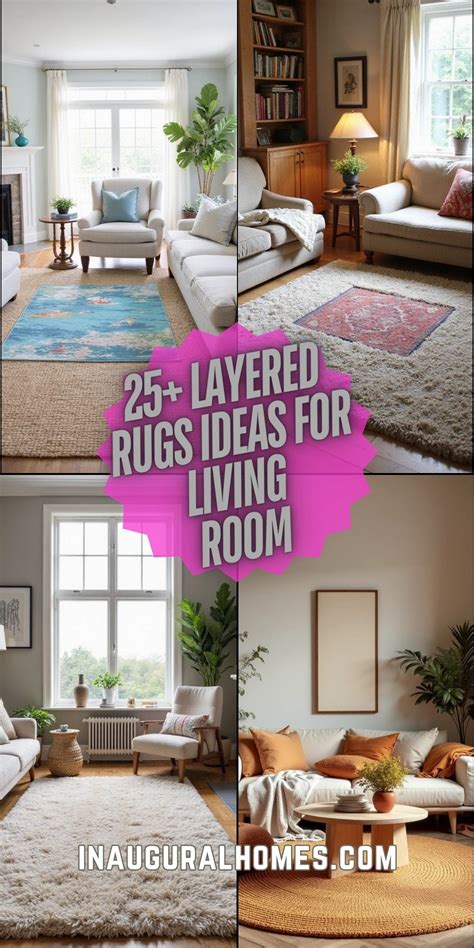
The final layer of personalization relies on textiles and curated accessories that tell your personal story. Start from the ground up by layering a smaller vintage or patterned rug over a larger, neutral jute or sisal base rug to define the seating area. Introduce diverse tactile elements like bouclé throw blankets, leather accent pillows, and woven wall hangings to prevent a monochromatic room from feeling flat. Mixing smooth metals with organic wood grains and soft fabrics creates sensory depth that invites relaxation.
Displaying personal artifacts, travel mementos, and botanical elements prevents a living room from looking like a staged furniture showroom. Group objects on coffee tables and bookshelves using the rule of three, varying heights and textures to keep compositions visually engaging. Houseplants breathe literal life into any interior design scheme; incorporate tall fiddle leaf figs in bright corners, cascading pothos on bookshelf tops, or sculptural succulents on sunny side tables. Frame personal photography or original artwork in oversized mats to give your collection gallery-quality polish.
Frequently Asked Questions
How can I personalize my living room if I am renting and cannot paint or make permanent changes?
You can personalize a rental living room by focusing on textiles, lighting, and non-permanent surface treatments. Use peel-and-stick wallpaper for an accent wall, hang art using heavy-duty adhesive strips, and layer rugs, throw pillows, and curtains to introduce color and pattern without altering the walls.
What are the best ways to create a focal point in an awkward or small living room?
If your living room lacks a natural architectural focal point like a fireplace, you can create one using a large-scale piece of statement art, an accent wall with peel-and-stick paper, or by arranging your furniture around a stylish media console or gallery display.
How do I mix different textures and patterns without making the space feel cluttered?
To mix patterns successfully, stick to a cohesive color palette and vary the scale of the patterns—pairing a large floral or geometric print with smaller, subtle stripes or solids. Balance smooth surfaces like glass or metal with rougher textures like woven baskets, linen, and wood.
What budget-friendly design swaps deliver the highest visual impact?
Swapping out builder-grade cabinet hardware, upgrading lighting fixtures or using warm-toned smart bulbs, adding window curtains hung high and wide, and introducing fresh houseplants deliver some of the highest visual transformations for a modest financial investment.


