Designing a compact living room in an American apartment or suburban home often feels like a high-stakes puzzle. Between standard apartment footprints, architectural quirks, and the need to balance comfort with everyday storage, every square inch matters. Fortunately, you do not need to knock down walls or undertake costly renovations to create a breathing, beautiful environment. By embracing intentional layouts, clever storage mechanisms, and optical illusions with color and light, you can completely elevate a modest footprint.
This comprehensive collection breaks down thirty-two ingenious strategies designed specifically for American living spaces. Whether you are navigating a rental with strict lease guidelines or own a cozy urban condo, these approaches combine high-end aesthetic appeal with real-world functionality. Read on to explore how targeted furniture choices, vertical expansions, and thoughtful styling can turn your cramped quarters into a welcoming sanctuary.
Smart Furniture Selections for Compact Footprints
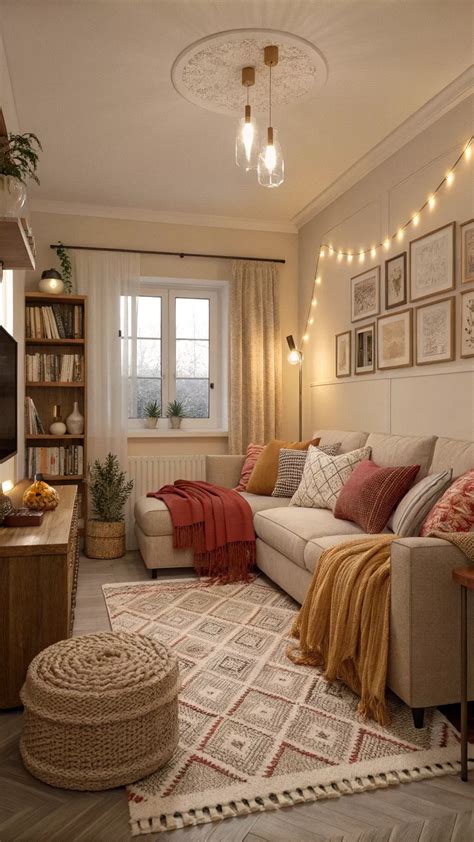
Choosing the right furniture is the most critical step when dealing with limited square footage. Bulky traditional sofas and oversized coffee tables swallow walking paths and make rooms feel instantly claustrophobic. Instead, look for pieces that pull double duty or offer visual lightness through exposed legs and transparent materials.
1. Invest in Lift-Top Coffee Tables
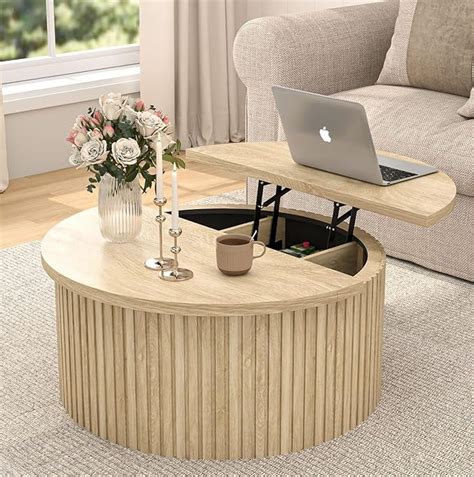
A lift-top coffee table serves as a hidden workstation and dining surface without requiring a separate desk or kitchen table. This design is particularly useful in studio apartments or open-concept homes where living and working zones overlap.
2. Choose Modular Sectionals with Storage Chaises
Standard couches often waste valuable floor space underneath the seating cushions. Opt for modular sectionals that feature lift-up storage compartments inside the chaise lounge, providing a discreet spot to stash extra throw blankets, board games, or seasonal pillows.
3. Swap Bulky End Tables for Nesting Tables
Nesting tables offer incredible flexibility for entertaining guests or changing your daily layout. You can stack them neatly out of the way when floor space is at a premium, then pull them apart instantly to hold beverages or reading materials.
4. Embrace Acrylic and Glass Accent Pieces
Ghost chairs, lucite side tables, and glass-topped coffee tables trick the eye into seeing right through them. By eliminating visual bulk, these transparent furnishings allow natural light to bounce freely around the room, making the entire space feel significantly larger.
5. Utilize Slim-Profile Media Consoles
Avoid massive entertainment centers that dominate an entire wall. Instead, install a wall-mounted floating media console or a very shallow credenza that keeps electronics organized while preserving essential floor pathways.
6. Try Armless Accent Chairs
Armless chairs take up less physical width than traditional armchairs while still offering comfortable seating. They maintain open sightlines across the room, which prevents the seating arrangement from feeling congested or heavy.
Implementing these furniture strategies requires looking past traditional showroom setups and evaluating how pieces perform functionally. Balance visual weight carefully so that no single corner of the room feels overwhelmingly heavy compared to the rest of the layout.
Maximizing Vertical Space and Walls
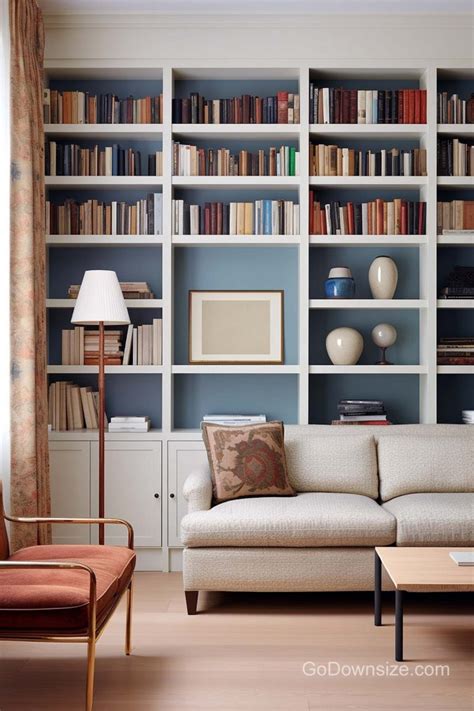
When horizontal square footage is limited, your walls represent a massive, underutilized resource. Drawing the eye upward not only increases your storage capacity but also exaggerates the perceived height of low ceilings common in many modern U.S. apartment complexes.
7. Install Floor-to-Ceiling Bookshelves
Custom or modular floor-to-ceiling shelving units force the eye to travel upward, emphasizing vertical volume. Use the lower shelves for everyday items and the upper tiers for decorative accents or rarely used reference books.
8. Hang Curtains High and Wide
Mount your curtain rods several inches above the window frame and close to the ceiling line, extending them past the window trim on both sides. This classic interior design trick creates the optical illusion of grand, expansive windows and floods the room with abundant natural light.
9. Opt for Wall-Mounted Sconces
Free up precious surface area on your side tables and nightstands by installing hardwired or plug-in wall sconces. This lighting choice introduces a sophisticated, layered look while keeping tabletops completely clear of clutter.
10. Utilize Vertical Gallery Walls
Create a curated gallery wall that stretches high toward the ceiling rather than clustering artwork at eye level. This draws attention upward and adds personality without consuming any floor space.
11. Hang Floating Shelves Above Doors
The empty wall space directly above interior doors or entryways is prime real estate for low-profile floating shelves. Stash infrequently used items or display trailing houseplants in these out-of-the-way spots.
12. Incorporate Tall, Lean Houseplants
Introduce greenery by placing tall, slender plants like a fiddle-leaf fig or a snake plant in tight corner spots. They add organic texture and color while accentuating the vertical dimension of the room.
Vertical optimization changes how you experience a room by shifting focus away from tight floor dimensions. Take time to evaluate bare walls and identify where minor installations can yield major organizational and visual rewards.
Layout Strategies for Awkward and Narrow Rooms
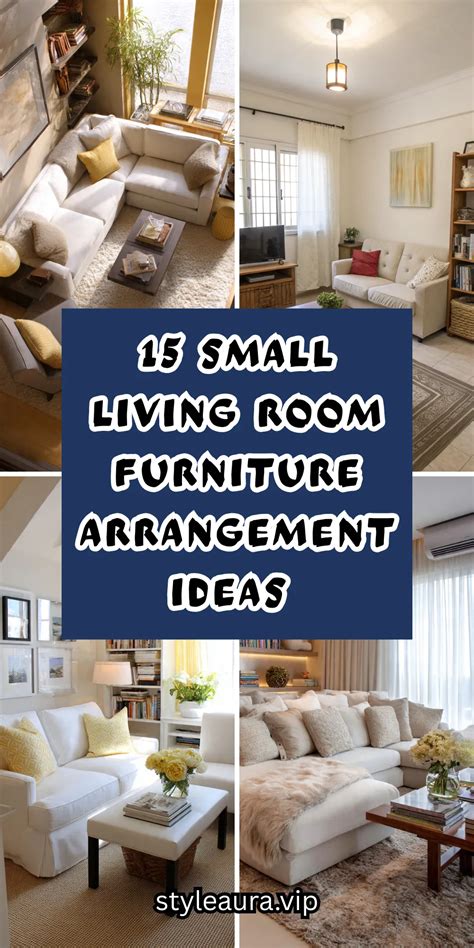
Narrow living rooms and awkward architectural angles present unique challenges for American homeowners and renters. Arranging furniture incorrectly can instantly block natural movement and make a functional space feel like a hallway.
13. Float Your Furniture Away from Walls
It is a common misconception that pushing all furniture against the perimeter makes a small room feel bigger. Pulling your sofa even a few inches away from the wall creates a more intimate conversation area and prevents the room from feeling like a bowling alley.
### 14. Define Zones with Area Rugs
In open-concept layouts or long, narrow living spaces, use distinct area rugs to anchor specific functional zones. A well-sized rug separates the seating area from a nearby entryway or dining nook without the need for physical room dividers.
15. Use L-Shaped Layouts for Odd Corners
Embrace awkward room angles by tucking an L-shaped sofa or a custom reading nook directly into the corner. This clears the central floor path and turns a difficult architectural dead zone into a purposeful destination.
16. Keep Major Pathways Clear
Map out your primary walking routes from entry doors to kitchen thresholds and windows. Ensure that no sofa corners, coffee table edges, or media cabinets encroach upon these essential daily traffic lanes.
17. Angle Your Furniture Strategically
In very tight square rooms, placing a media unit or an accent chair at a deliberate 45-degree angle in a corner can soften harsh ninety-degree lines and create unexpected visual dynamism.
Thoughtful layouts rely on patience and experimentation. Test out different arrangements using painters tape on the floor before lifting heavy furniture to confirm that your pathways remain comfortable and unobstructed.
Lighting and Color Tricks to Expand Space

Color theory and lighting design are your most powerful tools for manipulating spatial perception. You do not need expensive architectural modifications to make a dim, cramped room feel bright and airy.
18. Stick to a Cohesive, Light Color Palette
Soft neutrals like warm whites, pale grays, and gentle greiges reflect natural sunlight around the room. Avoid heavy, saturated dark colors unless you are intentionally creating a cozy, moody den aesthetic.
19. Layer Multiple Light Sources
Relying on a single overhead ceiling fixture creates harsh shadows that shrink a room. Combine floor lamps, table lamps, and directional accent lighting to illuminate every dark corner and create an inviting ambiance.
20. Hang Oversized Mirrors Opposite Windows
Positioning a large mirror directly across from a window instantly doubles the amount of natural light bouncing through the space and creates a clever illusion of extended depth.
21. Paint Trim and Walls the Same Color
Painting your baseboards, crown molding, and walls in the exact same shade blurs boundary lines. This technique stops the eye from registering where the wall ends and the trim begins, expanding the room visually.
22. Use Sheer Window Treatments
Swap heavy blackout drapes for lightweight, semi-sheer linen panels. They provide essential privacy while allowing sunlight to filter gently into the interior space.
23. Choose Reflective and Glossy Finishes
Incorporate subtle metallic accents, high-gloss lacquered trays, or polished brass light fixtures. These elements catch and scatter light, adding subtle shimmer that elevates the room’s overall brightness.
Good lighting and balanced color selection transform the emotional resonance of a compact space. Focus on maximizing natural daylight during daytime hours and introducing warm, dimmable artificial light at night.
Minimalist Decor and Clever Decluttering
Clutter is the ultimate enemy of a small living room. When every surface is crowded with belongings, even a generously proportioned room can quickly feel chaotic and suffocating.
24. Adopt a One-In, One-Out Rule
Maintain control over your decor and accessory collection by committing to a strict replacement policy. Whenever you bring a new throw pillow, vase, or decorative sculpture into the home, donate or recycle an older item.
25. Utilize Closed Baskets and Bins
Keep everyday items out of sight by storing remotes, chargers, and magazines inside woven baskets or lidded decorative boxes. This keeps surfaces pristine while ensuring essentials remain close at hand.
26. Edit Your Decorative Accessories
Instead of scattering dozens of small trinkets across every shelf and tabletop, group items into purposeful, balanced vignettes. A few large, statement-making objects look far cleaner than a collection of tiny knick-knacks.
27. Choose Multi-Use Throw Blankets and Pillows
Select textiles that add both functional comfort and sophisticated texture to your sofa. Keep functional storage baskets nearby so these items can be stashed away quickly when tidying up.
28. Opt for Wall-Mounted Art and TV Displays
Mounting your television and key artwork directly to the wall eliminates the need for bulky floor-standing media furniture and keeps surfaces entirely clear for a streamlined look.
29. Select Sleek Cable Management Solutions
Visible tangled cords create subconscious visual clutter. Use zip ties, cable raceways, and cord concealers to keep wires neatly hidden behind furniture and baseboards.
30. Keep Entryways Free of Backpacks and Shoes
If your living room doubles as an entryway drop zone, use dedicated wall hooks and a slim shoe cabinet near the door to prevent outdoor gear from spilling into your primary seating zone.
31. Rotate Seasonal Decor Items
Do not display all your decorative items year-round. Store winter throws and autumn centerpieces in under-bed storage bins during warmer months, bringing them out only when the season changes.
32. Embrace Negative Space
Allow some walls, tabletops, and floor areas to remain completely empty. Negative space gives your eyes a place to rest and prevents your compact living room from feeling overworked and visually exhausting.
Maintaining a minimalist aesthetic in a busy household requires daily habits rather than a one-time clean-up effort. By keeping surfaces intentional and clutter contained, your small living room will consistently feel calm, open, and ready for relaxation.
Frequently Asked Questions
How can I make my small living room look bigger without renovating?
You can make a small living room look significantly larger by hanging curtains near the ceiling, placing large mirrors opposite windows to reflect light, choosing furniture with exposed legs, and sticking to a cohesive, light color palette. These design strategies maximize optical depth and natural light.
What type of furniture is best for a tiny apartment living room?
Multifunctional and modular furniture works best in compact spaces. Look for lift-top coffee tables, nesting side tables, storage ottomans, and armless chairs. These pieces provide necessary function and storage without consuming excessive floor space or creating visual clutter.
How do I arrange furniture in a narrow living room?
In a narrow living room, avoid pushing all your furniture against the perimeter walls. Instead, float your seating arrangement slightly inward to create an intimate conversation zone, use area rugs to define distinct pathways, and keep major traffic lanes completely clear of obstruction.


