Redesigning your living space to reflect a contemporary aesthetic does not require a blank check or a total structural renovation. In typical American homes and apartments, achieving a modern look relies on thoughtful curation, clean lines, and a strategic balance between comfort and visual simplicity. Modern living room design in the U.S. favors functional layouts that maximize natural light, embrace open-concept floor plans, and prioritize quality over quantity.
Whether you own a spacious suburban colonial or rent a compact urban apartment, implementing a streamlined design framework helps eliminate visual clutter and creates an inviting atmosphere. By focusing on high-impact updates rather than overwhelming overhauls, you can transform your main gathering area into a sophisticated yet comfortable sanctuary tailored to modern living.
1. Establish a Minimalist Layout Foundation
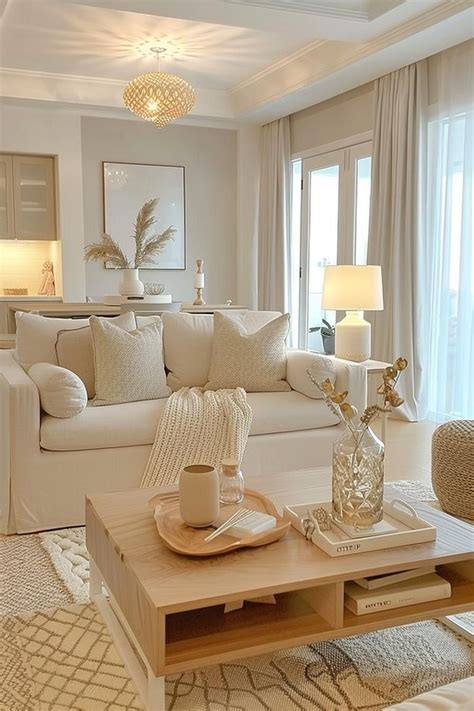
The foundation of any modern living room begins with the layout. American living spaces frequently serve multiple functions—acting as home offices, family entertainment centers, and relaxation zones all at once. To establish a modern aesthetic, start by assessing your floor plan and removing unnecessary furniture pieces that disrupt natural traffic flow and make the room feel cramped.
Position your primary seating to encourage effortless conversation while maintaining a clear focal point, such as a fireplace, an entertainment console, or a large window view. In smaller suburban or city apartments, pulling furniture slightly away from the walls rather than pushing every piece flat against the perimeter creates an illusion of depth and openness, instantly elevating the room’s sophistication.
2. Curate a Balanced, U.S.-Centric Color Palette
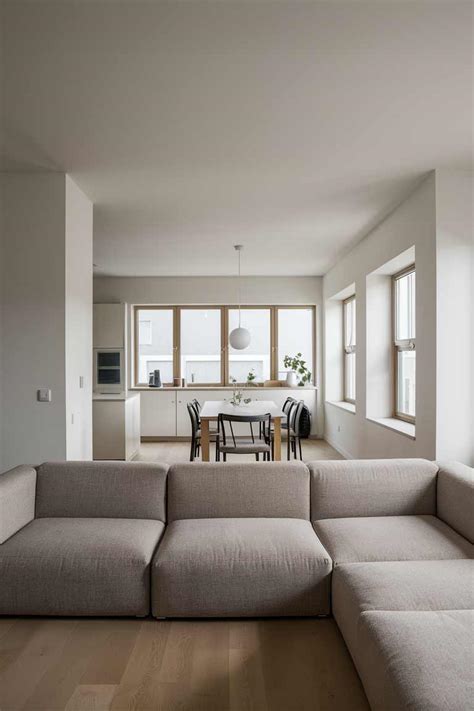
Color sets the emotional tone of your interior. Modern American homes often lean toward a sophisticated neutral base featuring warm whites, soft grays, beige, or rich taupe. These timeless shades reflect natural light efficiently, making both sprawling suburban great rooms and compact urban spaces feel bright, airy, and expansive.
Once your base palette is established, introduce depth through intentional accent colors. Earthy tones like terracotta, olive green, muted navy, or charcoal work exceptionally well in modern spaces without overwhelming the visual calm. For renters who cannot paint walls, achieve this balance through large-scale canvas art, throw pillows, blankets, and area rugs that introduce your chosen accent hues against neutral backdrops.
3. Select Furniture with Clean Lines and Functional Purpose
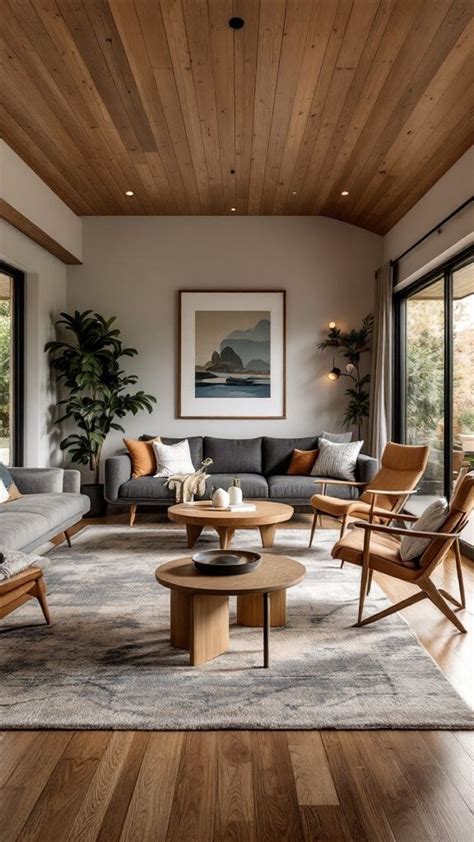
Furniture selection defines the structural character of your room. Modern furniture design emphasizes streamlined silhouettes, exposed legs, and honest materials. Look for sofas with tailored upholstery, low profiles, and sturdy wood or metal frames that keep the visual weight low to the ground, preserving an open line of sight across the room.
Incorporate multi-functional pieces to support practical daily habits, such as a coffee table with hidden storage or modular nesting tables that adapt when guests visit. Mixing materials—such as pairing a fabric sectional with a solid oak coffee table and matte black metal side lamps—prevents the room from feeling flat while honoring the clean geometric principles of contemporary design.
4. Layer Lighting for Ambiance and Versatility
Overhead lighting alone rarely satisfies the multifaceted needs of a modern living room. Effective lighting design requires a layered approach combining ambient, task, and accent sources. Start by maximizing natural daylight with sheer window treatments that offer privacy while allowing sunlight to flood the interior spaces throughout the day.
Supplement natural light with a strategic mix of floor lamps, dimmable wall sconces, and sculptural table lamps. Utilizing warm-toned LED bulbs creates a cozy, welcoming ambiance during evening hours. For renters or homeowners hesitant to wire new fixtures, plug-in wall sconces and arched floor lamps provide architectural interest and high-end style without requiring professional electrical installation.
5. Introduce Rich Textures and Statement Decor
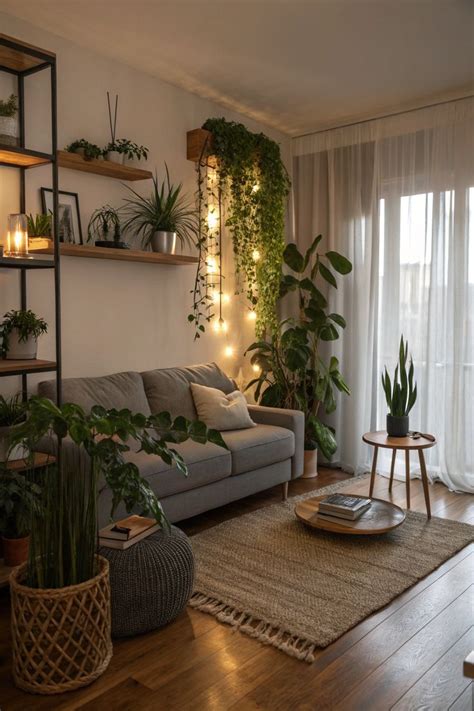
The final layer transforms a stark, minimal room into a warm, lived-in sanctuary. Because modern design leans toward restrained color palettes, texture becomes your primary tool for adding visual warmth and tactile appeal. Layer a plush wool or jute area rug over hardwood or luxury vinyl flooring to anchor your main seating arrangement.
Incorporate diverse organic elements, such as large potted fiddle-leaf figs, snake plants, or trailing pothos, to bring life and vibrant green color indoors. Finish the space with curated decorative objects—ceramic vases, coffee table books, and minimalist wall art—keeping surfaces intentionally edited to maintain that clean, uncluttered modern aesthetic.
Frequently Asked Questions
What defines a modern living room design in the U.S.?
Modern living room design in the U.S. is characterized by clean architectural lines, functional layouts, neutral color palettes with purposeful accent tones, and a strong emphasis on maximizing natural light and open space.
How can I achieve a modern look on a budget?
You can achieve a modern look affordably by decluttering existing furniture, updating soft furnishings like throw pillows and area rugs, introducing renter-friendly lighting, and incorporating budget-friendly statement art and indoor plants.
What are the best colors for a modern living room?
Warm neutrals such as soft whites, creamy beige, and light grays serve as the ideal base. These can be complemented by grounded accent colors like olive green, terracotta, charcoal, or deep navy blue.
Can renters achieve a modern living room without permanent changes?
Yes, renters can easily create a modern living room by focusing on movable elements such as accent furniture, peel-and-stick design accents, plug-in wall lighting, textiles, area rugs, and art displays that require no permanent wall modifications.


