Few furniture investments anchor a room quite like a sectional sofa. Serving as the primary hub for family movie nights, casual reading, and hosting guests, the right sectional balances sprawling comfort with thoughtful spatial design. However, bringing home a large piece of furniture without a clear strategy can easily overwhelm a room or obstruct natural traffic flow. Selecting the ideal sectional requires looking past showroom appeal and evaluating how the piece will function within your specific living environment.
To navigate the vast selection of configurations, fabrics, and frame constructions on the market, homeowners benefit from a structured decision-making process. By evaluating your room layout, understanding orientation requirements, selecting resilient materials, and testing ergonomic support, you can secure a seating arrangement that serves your household for years to come without sacrificing aesthetic harmony.
Assessing Your Living Room Layout and Spatial Geometry
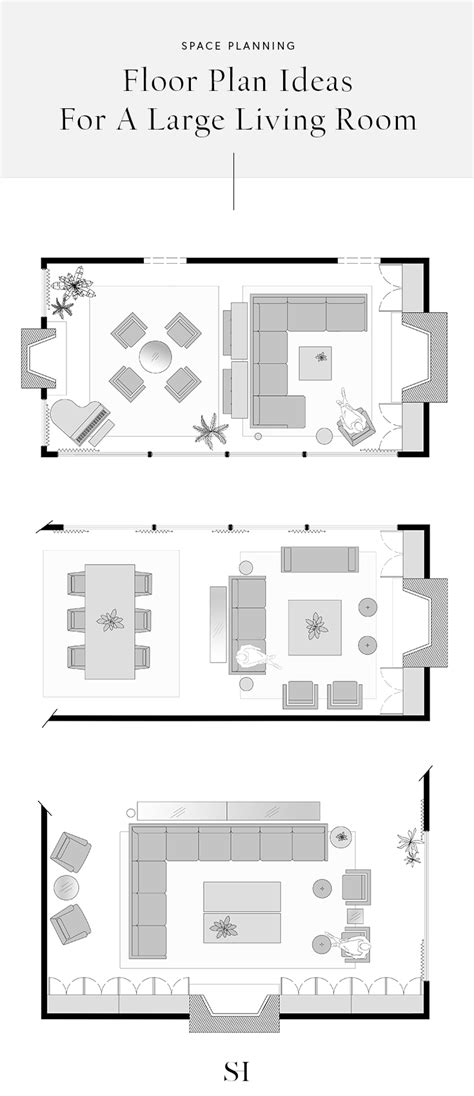
Before browsing online catalogs or visiting furniture showrooms, a thorough assessment of your living room dimensions is essential. Begin by measuring not only the intended wall space but also entryways, stairwells, and hallways through which the sofa must travel during delivery. A common oversight involves purchasing a sectional that fits the living room floor plan perfectly yet becomes permanently wedged in a tight apartment corridor or stair landing.
A reliable method for visualizing scale involves mapping the footprint directly onto your floor using blue painter’s tape. Outline the proposed length and chaise projection, then walk around the taped perimeter to evaluate clearance. Ensure there is at least thirty inches of walking space around major traffic paths and enough room for coffee tables, side tables, and doors to swing open completely without hitting the upholstery.
Decoding Configurations: L-Shape, U-Shape, and Modular Options
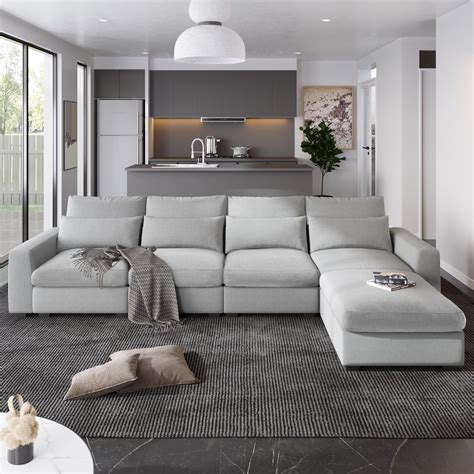
Sectional sofas come in several distinct configurations, each dictating how people interact within the space. The classic L-shape sectional works exceptionally well in both compact apartments and expansive open-plan rooms, hugging corners efficiently or floating in the middle of a room to zone an open-concept living area. When shopping for an L-shape design, you must determine whether you need a left-facing or right-facing chaise by standing in front of the sofa and noting which side the extended lounge section falls on.
For larger households and frequent entertainers, U-shaped sectionals provide maximum seating capacity, enveloping users in a conversational semicircle. Alternatively, modular sectionals offer ultimate versatility by consisting of individual armless chairs, corners, and ottomans that can be reconfigured as your living arrangements change. If you frequently move homes or enjoy altering your room layout seasonally, a modular system prevents you from being locked into a single fixed orientation.
Selecting Durable Fabrics and Materials for Real-World Living

Fabric selection directly impacts how well your sectional withstands the demands of daily life. Households with young children, frequent guests, or pets require high-performance textiles engineered to resist stains, moisture, and claw snags. Performance wovens, tightly textured chenilles, and heavy-duty synthetic blends often outperform delicate natural fibers like untreated linen or velvet in high-traffic environments, offering easier spot-cleaning and long-term colorfastness.
Leather and faux leather present another durable alternative, developing a rich patina over time while allowing accidental spills to be wiped away instantly with a damp cloth. However, genuine leather requires periodic conditioning to prevent cracking, and it can feel temperature-sensitive in extremely hot or cold climates. Weighing your household lifestyle against textile maintenance requirements ensures your investment maintains its appearance without demanding constant professional upkeep.
Evaluating Frame Construction and Cushion Ergonomics
The longevity of a sectional sofa rests entirely on what lies beneath the surface upholstery. High-quality frames are typically constructed from kiln-dried hardwood or engineered wood reinforced with corner blocks and secured with heavy-duty dowels or metal brackets. Avoid frames made primarily from particleboard or plastic connectors, as these materials tend to warp, creak, and loosen under shifting weight over time.
Equally critical is the internal support system and cushion composition. High-resiliency foam wrapped in down-blend or poly-fiber provides an optimal balance of structural support and plush comfort, preventing premature sagging. Sinuous wire springs or hand-tied eight-way coil suspensions distribute weight evenly across the seating platform, ensuring that your sectional remains supportive and comfortable whether you are sitting upright or lounging for hours.
Frequently Asked Questions
How do I determine whether a left-facing or right-facing sectional is needed?
To determine the correct orientation, stand facing the front of the sofa looking directly at it. If the extended chaise or longer arm section is on your right side, it is a right-facing sectional. If the extension is on your left, it is left-facing. Always base this decision on your room’s focal point, such as the television or fireplace, and existing traffic paths.
What size sectional works best for small versus large living rooms?
For small living rooms, compact L-shaped sectionals with low-profile backs or modular configurations with exposed legs help maintain visual openness. For large open-concept living spaces, sprawling U-shaped sectionals or deep-seated modular layouts anchor the room and create distinct functional zones without looking dwarfed by open square footage.
Which fabrics are most durable for families and pets?
Performance fabrics featuring tightly woven synthetic fibers, such as solution-dyed acrylics and heavy polyester blends, offer exceptional durability and stain resistance. These materials repel liquids and resist snagging from pet claws, making them much easier to clean and maintain than delicate natural textiles like silk or loose-weave linen.
How can a modular sectional provide added versatility?
Modular sectionals consist of separate, movable components that can be detached and rearranged into different configurations. This flexibility allows you to transform an L-shape into a straight sofa with a standalone ottoman, split pieces into separate seating areas, or easily adapt the layout when moving to a new home with a different floor plan.
What are the key indicators of a high-quality sectional frame?
Indicators of superior craftsmanship include frames built from kiln-dried hardwood, reinforced joints utilizing corner blocks, and sturdy suspension systems like sinuous springs or eight-way hand-tied coils. These structural elements prevent sagging, eliminate squeaking, and ensure the sofa maintains its structural integrity over years of daily use.


