Creating a welcoming living space requires a thoughtful balance between visual charm and everyday livability. Whether you are settling into a newly purchased suburban property or refreshing a downtown apartment, selecting the right collection of furniture sets the baseline tone for your entire home. Rather than viewing seating and accent pieces as isolated items, approaching your layout as a unified living room set ensures seamless flow, balanced proportions, and a cohesive design narrative that reflects your personal taste.
In many modern American households, the living room serves multiple functions simultaneously. It operates as a quiet reading nook during daytime hours, a lively entertainment hub on weekends, and a comfortable retreat for family movie nights. Because these rooms work so hard, investing in pieces that harmonize in style while withstanding daily wear is essential. By understanding how different dimensions, layouts, and materials interact, you can curate an inviting environment that feels both sophisticated and deeply comfortable.
Evaluating Layouts and Proportions for U.S. Living Spaces
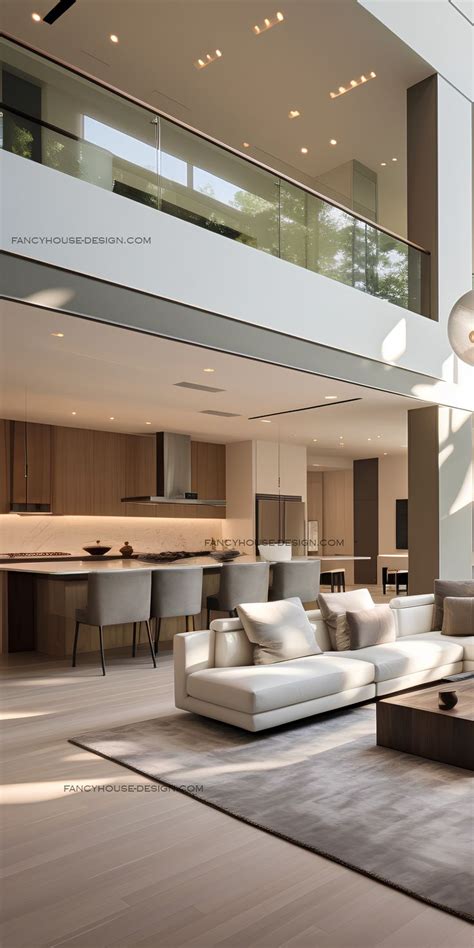
Before browsing specific sofa and loveseat combinations, assessing the physical dimensions of your room is vital. Standard U.S. living rooms vary dramatically, ranging from compact urban apartments where every square foot counts to sprawling suburban open-concept floor plans that flow directly into kitchens and dining areas. Mapping your floor plan with painter’s tape on the floor helps visualize how much clearance you will have for walking paths, door swings, and side tables.
For smaller apartments, low-profile furniture with exposed legs often creates an illusion of expanded space by allowing light to pass underneath. Conversely, larger suburban family rooms can comfortably anchor substantial sectional configurations or matching sofa and armchair pairings without feeling overcrowded. Maintaining at least thirty inches of clear walkway around main seating components ensures the room remains functional and easy to navigate during daily routines.
Balancing Matching Sets Versus Curated Collections
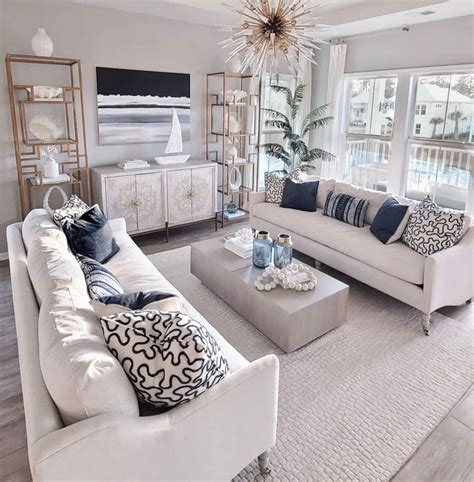
One of the most common dilemmas homeowners face is choosing between a pre-packaged matching living room set—such as a sofa, matching loveseat, and armchair—versus assembling a curated look through mix-and-match elements. Matching sets offer immediate visual harmony and eliminate the guesswork of color coordination, making them an efficient choice for those who prefer a streamlined, classic aesthetic.
On the other hand, curated collections allow you to infuse deeper character and modern personality into your space. By pairing a neutral upholstered sofa with contrasting leather accent chairs or a distinct wooden coffee table, you avoid a sterile showroom look. If you opt for mixed pieces, anchor them with a common design thread, such as matching wood tones, shared metal finishes, or a consistent color palette woven through accent pillows and rugs.
Prioritizing Durability and Fabric Selection for Active Households
The visual appeal of furniture means little if the upholstery cannot handle the realities of daily use. Active households with children, pets, or frequent guests require fabrics that combine tactile comfort with robust stain resistance and cleanability. Performance fabrics, tightly woven chenilles, and heavy-duty textured linens have become staples in American homes because they resist pilling and stand up well to friction.
Leather and high-grade faux leather options offer exceptional durability and wipe-clean maintenance, developing a rich patina over time that adds character to transitional and rustic interiors. When evaluating cushion construction, look for high-resiliency foam cores wrapped in down or poly-fiber blends. This combination provides initial plushness while ensuring the cushions bounce back into shape rather than sagging prematurely after months of sitting.
Infusing Personal Style and Finishing Touches
Once your foundational seating pieces are in place, styling the room brings the entire concept together. Layering textures through wool throw blankets, woven baskets, and patterned area rugs prevents neutral furniture sets from feeling flat. Incorporating varied lighting sources—such as floor lamps, table lamps, and overhead fixtures—allows you to adjust the room’s mood from bright and energizing in the morning to warm and relaxing in the evening.
Wall art, plants, and carefully curated bookshelves provide the final layers of individuality, turning a standard furniture arrangement into a personalized sanctuary. By focusing on quality foundational pieces and layering texture thoughtfully, your living room will remain a functional, beautiful gathering place for years to come.
Frequently Asked Questions
What should I look for when buying a living room set?
Prioritize frame construction—such as kiln-dried hardwood—supportive suspension systems like sinuous springs or eight-way hand-tied coils, and high-resiliency foam cushions. Also consider your room dimensions and lifestyle needs regarding fabric cleanability.
How do I choose between a matching set and mixed furniture?
Matching sets offer effortless coordination and are ideal for traditional or streamlined spaces. Mixed furniture collections create a more eclectic, personalized interior design style, provided you maintain a consistent color palette or unifying material finish.
Which fabrics are most durable for active U.S. households?
Performance textiles, tightly woven synthetic blends, and genuine top-grain leather are top choices for durability. They resist staining, wear down slowly, and are generally easier to clean when accidents happen.
How do I style a living room set to look cohesive?
Tie disparate elements together using a unifying color scheme through throw pillows, rugs, and window treatments. Echoing metal or wood finishes across your coffee tables, side tables, and lighting fixtures also anchors the space visually.


