When updating an interior space to feel more inviting, tactile elements often make the most significant impact. Incorporating a large fur rug into your home introduces an immediate sense of tactile comfort and sophisticated visual weight. Whether your design aesthetic leans toward modern minimalist, rustic mountain lodge, or chic urban contemporary, an oversized textured floor covering softens hard architectural lines and anchors your furniture layout. Beyond mere visual appeal, stepping onto a plush, dense pile transforms how a room feels during colder months, adding physical warmth that standard flat-weave rugs simply cannot replicate.
Achieving a balanced look with statement floor pieces requires careful attention to scale, proportion, and material selection. Standard accent rugs often look lost in open-plan American living spaces, whereas a properly proportioned large rug unifies seating groups and defines distinct functional zones. By understanding the differences between material grades, mastering furniture placement, and committing to simple upkeep routines, you can successfully integrate this luxurious design element into your daily living environment without sacrificing practicality.
Choosing Between Real and Faux Fur Options

The decision to purchase a genuine animal pelt or a high-grade faux alternative involves weighing ethical preferences, tactile expectations, budget constraints, and room traffic. Modern textile manufacturing has advanced significantly, making premium synthetic fibers remarkably soft, visually convincing, and durable enough to withstand everyday family life. Faux versions typically utilize acrylic and polyester blends, offering the advantage of being cruelty-free, hypoallergenic, and considerably easier to clean when unexpected spills happen in busy household environments.
On the other hand, genuine sheepskin, calfhide, or specialized pelts provide authentic natural variations in color, texture, and density that synthetic manufacturing cannot completely replicate. Real pelts excel at regulating temperature naturally, remaining cool in summer and warm in winter, and they often develop a softer hand over years of gentle use. However, real fur generally demands stricter professional cleaning methods and higher initial investment, making it best suited for lower-traffic spaces like private studies or master bedrooms where heavy foot traffic and pets are less likely to cause rapid wear.
Selecting the Right Size and Placement for Living Rooms and Bedrooms
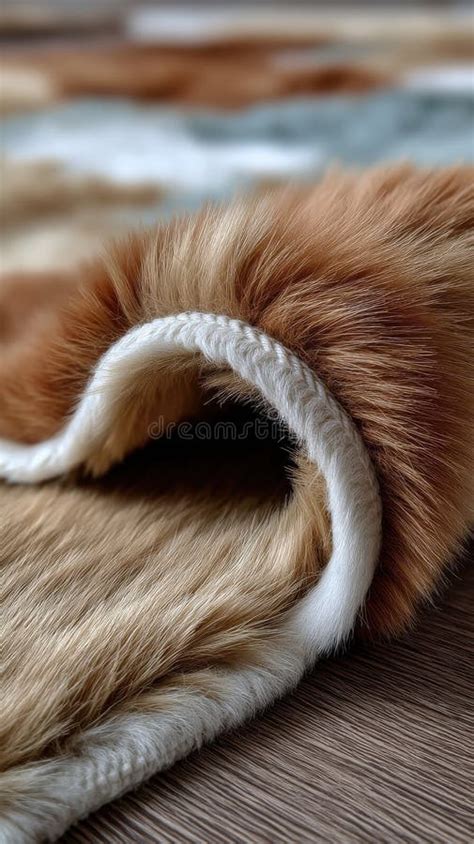
Proportion is the cornerstone of successful interior design, particularly when working with high-texture items that naturally draw the eye. In a spacious living room, your large fur rug should be large enough so that at least the front legs of your primary sofa and armchairs rest comfortably on the surface. This layout anchors the seating group together, preventing the rug from looking like an isolated mat floating in the middle of the floor. Placing the rug centrally over hardwood floors or low-pile neutral carpeting creates a striking textural contrast that highlights the grain of the wood or the smoothness of the surrounding flooring.
In the bedroom, positioning an oversized plush rug beneath the lower two-thirds of the bed transforms your morning routine by providing a warm, cushioned landing pad for bare feet. Alternatively, placing smaller coordinating hides on either side of a bed frame works well if room dimensions cannot accommodate a single massive piece. When evaluating your room layout, always measure the clearance required for interior doors to swing open freely over the pile height, as dense fibers can occasionally cause clearance issues with standard residential thresholds.
Styling Techniques to Complement American Interior Trends

Integrating a statement floor covering into existing decor requires thoughtful balancing of contrasting textures and color palettes. If your home features sleek modern leather furniture, polished concrete floors, or stark metal accents, a heavy fur texture introduces organic warmth that prevents the room from feeling cold or sterile. Layering is another highly effective technique; try placing your statement rug over a larger, neutral jute or sisal base rug. This adds dimensional depth, anchors the room visually, and protects the more delicate fur fibers from direct friction against rough subfloors.
Color selection also dictates how the piece interacts with your lighting design. Cream, ivory, and soft gray tones reflect natural daylight streaming through windows, making smaller or north-facing rooms feel brighter and more expansive. Conversely, deeper charcoal, rich taupe, or patterned animal prints create an intimate, moody atmosphere in media rooms or formal sitting areas. Pair these rich textures with ambient lighting sources such as floor lamps and dimmable overhead fixtures to cast soft shadows across the dense pile, accentuating the tactile depth of the fibers.
Maintenance, Cleaning, and Durability Best Practices
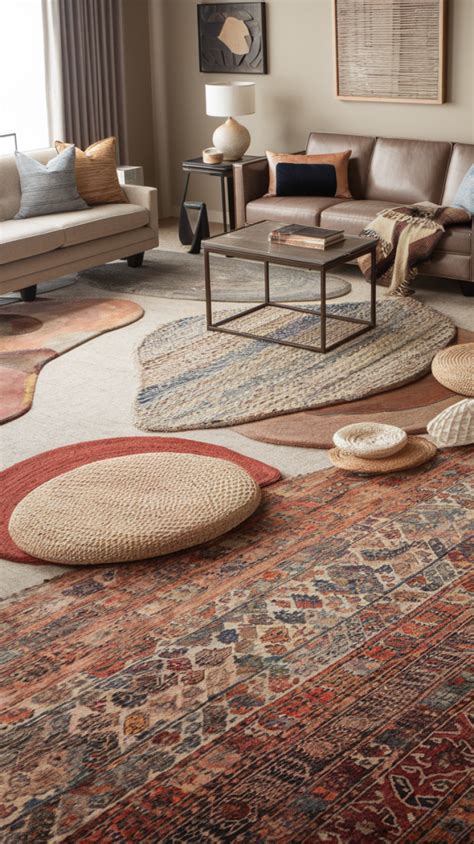
Preserving the luxurious appearance of your floor covering demands consistent, gentle maintenance tailored to the specific fiber type. For routine upkeep, avoid traditional high-suction vacuum cleaners with rotating beater bars, as these mechanical brushes can pull, tangle, and break delicate fibers. Instead, use a suction-only attachment or gently shake smaller pieces outdoors to dislodge trapped dust and debris. If you notice localized dirt accumulation, spot-clean immediately using a damp cloth and a mild wool-safe detergent, taking care never to saturate the backing material beneath the pile.
Durability ultimately depends on placement and preventative care. Utilizing a non-slip rug pad underneath prevents the piece from shifting on slick hardwood or tile surfaces, reducing friction wear and improving safety in high-traffic hallways or family rooms. If your household includes shedding pets or active children, opting for a machine-washable faux variety or treating natural pelts with a protective spray can significantly extend the lifespan of the textile, ensuring your investment remains a stunning focal point for years to come.
Frequently Asked Questions
Can I place a large fur rug in a high-traffic area like a hallway or family room?

Yes, you can place a fur rug in a busy area, but material selection is critical. High-grade faux fur made from durable synthetic blends handles foot traffic much better than delicate real pelts. Always use a quality rug pad underneath to prevent slipping and minimize friction wear against the floor.
How do I clean a large fur rug without damaging the fibers?
Routine cleaning should be done using a suction-only vacuum attachment without a rotating beater bar. For minor stains, blot gently with a damp cloth and mild detergent. Avoid machine washing unless the manufacturer explicitly states the item is washable, and never submerge natural leather backings in water.
Will a fur rug shed over time?
Minimal shedding can occur naturally during the first few weeks, especially with genuine animal pelts, as loose fibers from the tanning process settle out. Regular, gentle shaking and careful vacuuming will quickly resolve this. Excessive shedding usually indicates poor manufacturing quality or improper cleaning methods.
What is the best way to layer a fur rug over existing carpeting?
Layering a smaller or medium fur accent piece over low-pile wall-to-wall carpeting works wonderfully to add texture. However, layering an oversized heavy rug directly on top of thick carpeting can cause bunching and instability under furniture legs, so it is generally recommended to use fur rugs over hard flooring surfaces like wood, tile, or luxury vinyl.


