Few design elements alter the atmosphere of a room quite as immediately as a plush rug. Stepping onto a thick, tactile surface introduces instant warmth, softening hard wood or tile flooring common in many American houses and apartments. When searching for plush rugs on Amazon, the sheer variety of styles, pile heights, and synthetic or natural fibers can feel overwhelming. Navigating this digital marketplace successfully requires looking beyond striking product photography to evaluate how construction, dimensions, and backing materials will perform in your specific daily environment.
Whether you live in a sprawling suburban residence or a compact urban rental, a well-chosen soft floor covering does more than just cushion your steps. It anchors furniture layouts, dampens ambient noise, and infuses your personal aesthetic into neutral or builder-grade interiors. By understanding the core principles of rug selection—ranging from pile specifications to spatial planning—you can curate an inviting sanctuary that feels both luxurious and genuinely functional for everyday life.
Understanding Pile Height and Texture Specifications
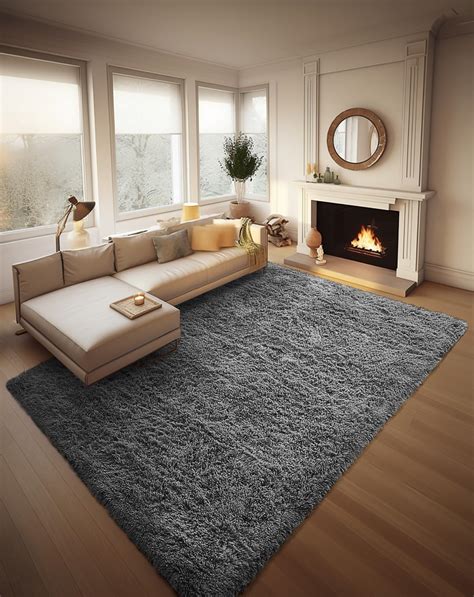
When evaluating listings for plush rugs, the term “pile height” refers to the vertical length of the rug fibers from the backing to the top surface. Rugs with a pile height exceeding one inch typically enter the realm of high-pile and shag designs, offering that coveted sinking-in feeling underfoot. Synthetic fibers like polypropylene and polyester dominate online options for their stain resistance and soft hand-feel, while wool blends provide exceptional density, natural resilience, and long-term durability. Knowing these material trade-offs ensures you select a texture that matches your household’s activity level.
Texture plays a crucial role in how light interacts with your room. A high-pile shag rug catches natural sunlight from large living room windows, creating subtle shadows and rich visual depth that flat-weave alternatives simply cannot achieve. However, ultra-plush textures behave differently in high-traffic zones compared to quiet bedrooms. Balancing sensory luxury with practical fiber resilience is the secret to finding a piece that maintains its appearance through months of foot traffic, family gatherings, and quiet relaxation.
Sizing Strategies for Living Rooms and Bedrooms
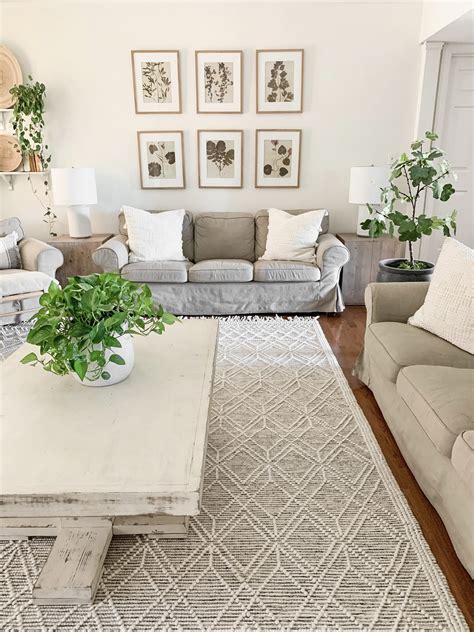
One of the most frequent mistakes homeowners make when purchasing online is underestimating the required footprint. A rug that is too small floats awkwardly in the middle of a room, making the entire layout feel disconnected and disjointed. In a standard American living room, your primary seating arrangement should ideally interact with the rug in one of two ways: either all furniture legs rest fully on the fabric, or at least the front legs of your sofa and armchairs anchor comfortably onto the perimeter.
For bedrooms, sizing up creates a hotel-like sanctuary that welcomes your bare feet every morning. A standard 8×10 or 9×12 area rug works wonders beneath a queen or king bed when positioned horizontally, extending past the nightstands to frame the entire sleep zone. If you are working with a smaller apartment bedroom, an alternative approach involves placing twin smaller plush rugs flanking either side of the bed, delivering softness right where you need it without overwhelming the floor space.
Renter-Friendly Decorating with Plush Rugs

Renting a home in the United States often comes with limitations regarding permanent renovations, such as replacing scuffed wall-to-wall carpeting or upgrading uninspiring vinyl flooring. Plush rugs act as the ultimate renter-friendly design tool, allowing you to completely disguise problematic floors without violating lease agreements. Layering a large, neutral high-pile rug over cold apartment tile instantly elevates the perceived quality of the space, injecting warmth and personal style with zero permanent modifications.
Furthermore, area rugs serve as natural boundary markers in open-concept studio apartments where living, dining, and sleeping areas occupy a single open footprint. By floating a plush accent rug beneath a coffee table and sofa, you establish a distinct psychological living zone. Because these pieces are entirely portable, you can easily roll them up and take them with you when your lease ends, making them a smart, long-term investment in your temporary living environment.
Maintenance Realities for High-Pile and Shag Rugs
Embracing the plush aesthetic means adjusting your routine cleaning habits to keep the fibers looking fresh and resilient. High-pile and shag rugs require mindful vacuuming, as traditional rotating beater bars can pull, fray, or distort delicate synthetic fibers. Many manufacturers recommend turning off the rotary brush feature or using a specialized upholstery attachment to gently glide across the surface, lifting surface dust and pet dander without compromising the structural integrity of the backing.
Spills and everyday blemishes require prompt attention rather than aggressive scrubbing, which can matte high-pile yarns permanently. Blotting liquids gently with a clean white cloth and a mild, color-safe detergent solution preserves the loft of the material. Additionally, pairing your Amazon rug purchase with a quality non-slip rug pad prevents shifting on hardwood floors, enhances underfoot cushioning, and promotes airflow beneath the dense pile, preventing moisture accumulation over time.
Frequently Asked Questions
What pile height qualifies a rug as plush?
Generally, a rug with a pile height of one inch or higher is considered plush or high-pile. Shag rugs often feature pile heights ranging from 1.5 to over 2 inches, providing that signature ultra-soft, sink-in texture.
How do I choose the correct rug size for my living room?
Your rug should be large enough to accommodate at least the front legs of your main seating furniture. In most standard U.S. living rooms, an 8×10 foot rug is the most versatile choice to anchor a sofa and two armchairs together cohesively.
Are plush rugs difficult to clean and vacuum?
They require slightly more care than flat-weave rugs. You should vacuum them regularly using suction-only settings or a specialized attachment rather than a harsh rotating beater bar to prevent fiber damage and pulling.
How can renters use plush rugs to improve uninspiring floors?
Renters can use large area rugs to completely cover worn carpet, cold tile, or outdated laminate without making permanent changes. They also help define distinct functional zones in open-plan apartments and can be easily moved when relocating.


