Few design elements offer the remarkable adaptability and enduring appeal of grey tiles. Whether you are updating a coastal cottage in New England or a modern urban loft in the Pacific Northwest, grey tiles for walls and floors provide a neutral yet sophisticated foundation that harmonizes with countless design aesthetics. Because grey bridges the gap between stark white and heavy black, it absorbs and reflects light in ways that can completely alter the perceived dimensions and atmosphere of a room.
Homeowners and renters alike appreciate grey tile because it serves as an architectural chameleon. It can look warm and rustic when paired with natural wood accents, or sleek and industrial alongside matte black fixtures and exposed brick. Understanding how to select the right shade, finish, and material ensures your investment enhances both the functionality and beauty of your living space for years to come.
Navigating Shades of Grey: From Soft Doves to Deep Charcoals
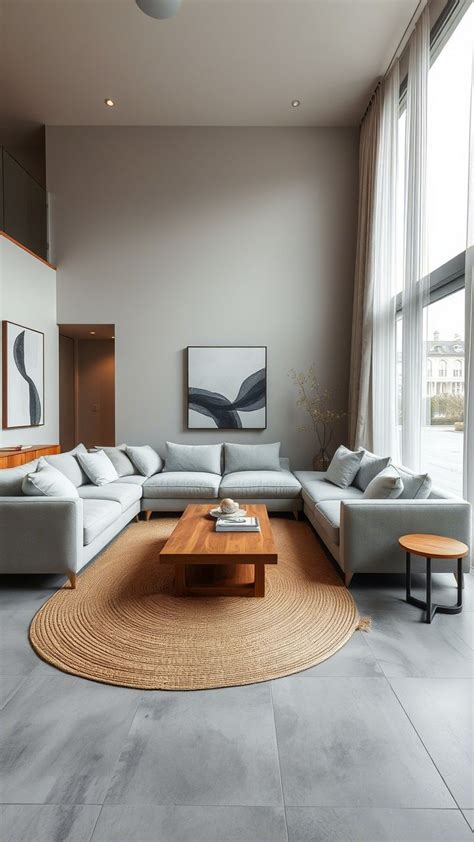
Choosing the correct shade of grey depends heavily on your room’s natural lighting, square footage, and overall design scheme. Lighter grey tiles, such as soft dove or silver, reflect sunlight effectively, making them an exceptional choice for compact bathrooms, narrow hallways, or north-facing rooms that receive less direct daylight. These pale hues create an airy, expansive atmosphere that keeps modest spaces feeling open and welcoming.
Conversely, deeper charcoal and slate grey tiles introduce drama, grounding, and intimacy into larger residential spaces like open-concept living rooms or expansive master suites. Darker floors create a striking contrast against crisp white baseboards and warm furniture tones. When evaluating color samples in your home, remember to observe how the grey shifts throughout the day as natural sunlight transitions into evening artificial lighting, ensuring the undertones remain complementary to your decor.
Selecting the Right Finish: Matte, Polished, and Textured Surfaces
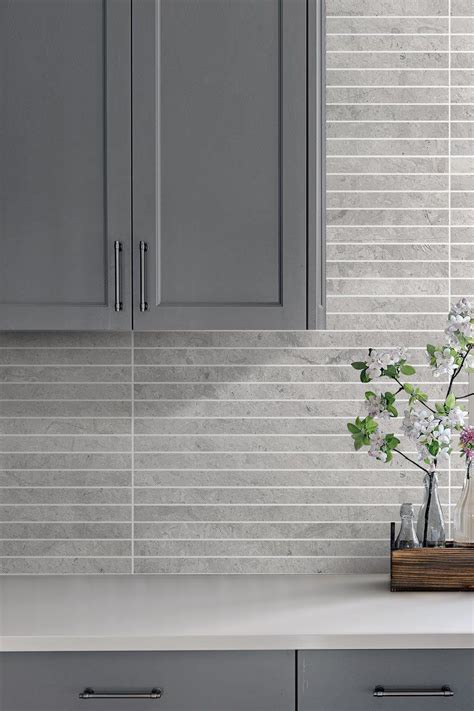
The surface finish of your tile dictates both its visual impact and practical performance in daily life. Matte grey tiles offer a subtle, understated elegance that conceals dust, footprints, and water spots remarkably well. This makes matte finishes a sensible selection for high-traffic entryways, mudrooms, and busy family kitchens where effortless upkeep is a top priority.
Polished grey tiles, on the other hand, bounce light around the room, creating a luxurious, mirror-like sheen reminiscent of high-end hotel interiors. While stunning on vertical accent walls or low-traffic powder rooms, polished surfaces can become slippery when wet, requiring careful consideration before installation on main bathroom or kitchen floors. Textured or honed tiles strike a middle ground, offering slip resistance and tactile interest that mimics natural stone without sacrificing safety.
Strategic Placement: Wall Versus Floor Applications
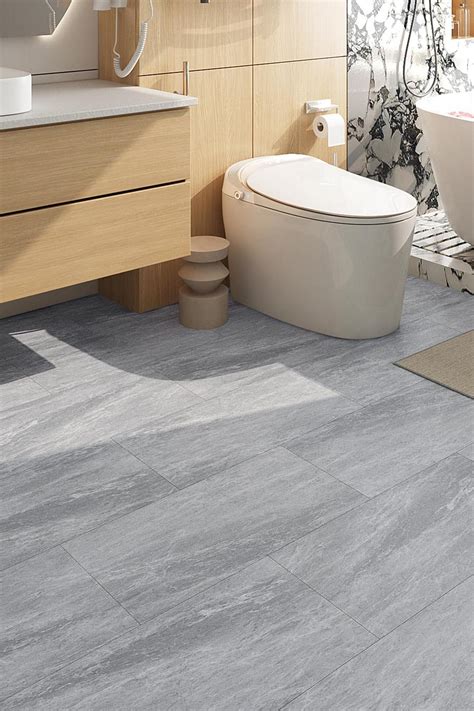
Applying grey tile to both vertical and horizontal surfaces requires a balance of weight, durability, and visual texture. For floors, porcelain and ceramic tiles rated by the Porcelain Enamel Institute (PEI) for heavy residential traffic ensure long-term resilience against scratching, heavy furniture, and daily foot traffic common in American households.
Wall tiles do not require the same structural load-bearing strength as flooring, allowing for more creative freedom with delicate materials, intricate mosaics, or handmade ceramic zellige tiles. Using a mid-tone grey subway tile on a kitchen backsplash provides a timeless backdrop that ties cabinetry and countertops together, while continuing a similar grey floor tile throughout the open-plan dining area establishes a seamless, cohesive architectural flow.
Design Pairings and Styling Ideas for American Interiors
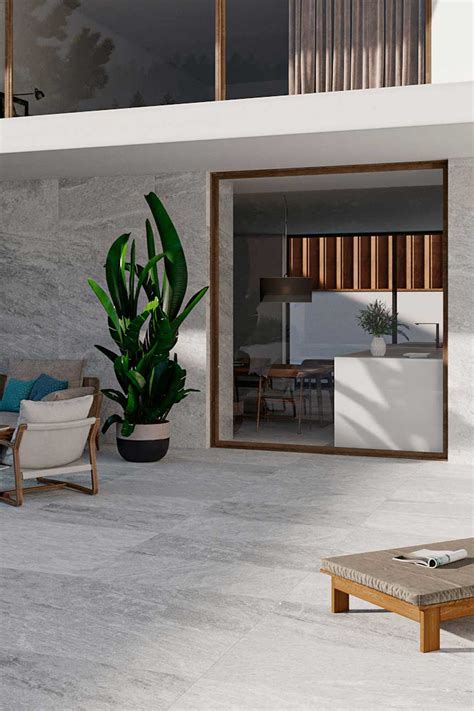
Grey tiles act as a neutral canvas, inviting warmth through carefully chosen surrounding materials and accent decor. To prevent a grey-on-grey room from feeling sterile, incorporate organic textures such as woven rattan baskets, rich leather seating, and warm oak or walnut wood tones. Brass or brushed gold hardware creates a gorgeous metallic contrast against cool grey surfaces, instantly elevating the space.
Textiles also play an essential role in softening hard tile surfaces. Layering patterned wool rugs in living areas or placing plush, absorbent cotton bath mats in grey-tiled bathrooms introduces necessary comfort underfoot. By balancing cool tile foundations with warm ambient lighting and tactile furnishings, you can achieve a sophisticated, welcoming interior that stands the test of time.
Frequently Asked Questions
What are the best grey tile shades for small rooms?
Light grey shades like silver, dove grey, and pale ash are ideal for small rooms. These lighter tones reflect natural and artificial light, making compact spaces feel significantly larger, brighter, and more open.
Are grey tiles suitable for both walls and floors?
Yes, many grey tile collections are engineered for versatile installation. However, always verify that the specific tile you choose is rated for flooring if you plan to install it underfoot, as wall tiles may lack the necessary slip resistance and load-bearing strength.
How do I maintain grey tile floors in high-traffic areas?
Routine maintenance involves regular sweeping or vacuuming to remove abrasive dirt, followed by damp mopping with a pH-neutral cleaner. Matte finishes require minimal effort to look clean, while darker shades may need occasional drying to prevent water spots.
What interior design styles pair best with grey tiles?
Grey tiles complement a wide variety of aesthetics, including modern farmhouse, industrial, Scandinavian minimalist, and contemporary urban designs. Pairing them with natural wood and warm metals prevents the space from feeling too cold.


