Transforming an empty wall or filling an awkward corner with custom storage does not require a massive renovation budget or weeks of painstaking labor. With a free weekend and a trip to your local U.S. home improvement center, you can construct functional, beautiful bookshelves that completely shift the character of a room. Whether you live in a historic craftsman bungalow or a modern suburban rental, building your own shelving allows you to customize dimensions, finishes, and hardware to match your exact aesthetic.
Embarking on a weekend DIY project offers incredible satisfaction, but success relies heavily on realistic planning. American homes feature varying wall construction types—ranging from standard wood-stud drywall to lath and plaster in older properties—which directly influence how you mount your creations. By understanding basic load calculations, selecting the right lumber, and mapping out your design ahead of time, you can craft durable storage solutions that look professionally made rather than hastily assembled.
Essential Planning and Tool Prep for Weekend Builders
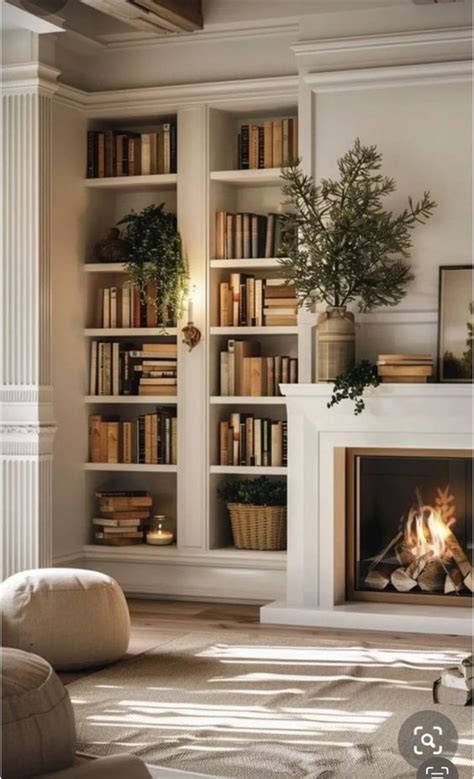
Before bringing home stacks of pine boards and heavy-duty brackets, a little preparation saves you from frustrating mid-project trips to the hardware store. Most weekend bookshelf designs require a basic arsenal of tools: a reliable power drill, a level, a stud finder, safety glasses, and coarse-grit sandpaper. If you prefer not to make precise cuts at home, most big-box lumber retailers in the United States will make initial rip cuts or cross cuts for you free of charge or for a nominal fee, making the process much more accessible for apartment dwellers and beginners.
Safety and structural integrity must remain top priorities throughout your build. When hanging shelves directly on drywall, locating wooden wall studs is essential for supporting heavy loads of hardcover books. If studs do not align with your desired shelf placement, using heavy-duty toggle bolts or drywall anchors rated for specific weight capacities is crucial. Never underestimate the weight of a dense collection of literature; a standard three-foot oak board loaded with books can easily weigh over forty pounds, requiring secure anchoring to prevent sagging or catastrophic wall failure.
Rustic Wood and Industrial Pipe Shelving Ideas
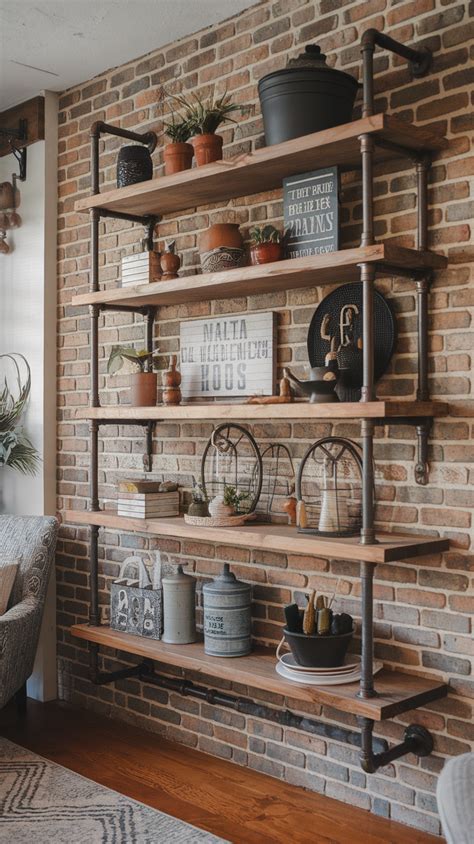
Combining natural wood with dark metal hardware creates an timeless aesthetic that anchors modern rustic, industrial, and transitional American living rooms. To achieve this look, many DIYers source dimensional lumber like Douglas fir or southern yellow pine, treating the grain with a rich dark walnut or weathered oak stain. Black iron gas pipes, readily available in the plumbing aisle of most home improvement stores, serve as rugged vertical supports or heavy-duty brackets that lend an authentic workshop vibe to your study or den.
- Classic Two-Tier Pipe Shelf: Utilize two threaded floor flanges, two short nipple pipes, and a couple of pine boards for a sturdy, low-profile bookcase mounted above a desk.
- Wall-to-Wall Industrial Bridge: Span an entire living room window with a thick wooden plank resting on heavy pipe brackets to create an elevated display for trailing houseplants and prized novels.
- Corner Pipe Tower: Build a multi-tier vertical corner unit using alternating wooden triangles and threaded vertical pipes to maximize unused dead space.
When assembling industrial pipe components, cleaning the manufacturing oil off the metal surfaces with mineral spirits before installation prevents residue from staining your walls or books. Once cleaned, sealing the wood with a protective polyurethane coat ensures that moisture from everyday dusting or accidental spills will not warp or discolor your custom creation over time.
Renter-Friendly Bookshelf Hacks That Protect Your Deposit
Renting a home across the United States often comes with strict lease restrictions regarding wall damage, making permanent built-ins or heavy bracket installations impractical. Fortunately, renter-friendly shelving has evolved far beyond basic plastic milk-crate towers. Tension-rod shelving systems, leaning ladder shelves, and modular cube organizers provide ample vertical storage without requiring a single drywall anchor or leaving behind unsightly screw holes that threaten your security deposit.
- The Leaning Ladder Shelf: Construct a simple A-frame or leaning wooden ladder using lightweight furring strips and rest it securely against the wall with non-slip rubber pads on the base.
- Freestanding Tension Pole Bookcase: Utilize floor-to-ceiling tension mechanisms that wedge securely between the ground and ceiling, holding adjustable wooden shelves without permanent mechanical fasteners.
- Modular Crate Stack: Secure unfinished wooden crates together with wood glue and short screws, then anchor the freestanding unit safely to the baseboard or rely on its wide, stable footprint.
Even with temporary or freestanding solutions, stability matters deeply, especially in households with children or pets. Always utilize anti-tip furniture straps attached securely to the wall baseboard using minimal hardware, which can be easily patched with a dab of spackle when moving day arrives. This minor precaution ensures your creative display remains safely upright under daily use.
Achieving a High-End Built-In Look on a Budget
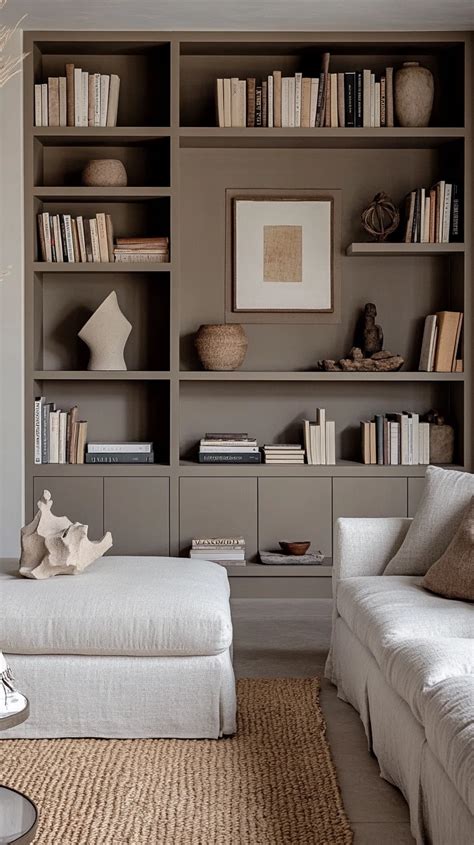
The bespoke, architectural charm of built-in bookshelves instantly elevates a living room or home office, but hiring a custom cabinet maker can quickly deplete your savings. Creating a built-in appearance using standard pre-made bookcases or stock lumber is one of the most rewarding weekend projects for homeowners. By anchoring standard white laminate or solid wood bookcases to the wall and framing them out with decorative trim, baseboards, and crown molding, you can achieve a seamless custom finish that looks like it was part of the original architectural blueprint.
To pull off this illusion successfully, meticulous caulking and painting tie all the disparate elements together. Fill every nail hole, gap between the shelves and the wall, and seam between the trim pieces with paintable acrylic latex caulk. Once dried, paint the entire assembly—including the wall space visible between the shelves—in a cohesive satin or semi-gloss finish. Dark, moody paint colors like navy blue, forest green, or charcoal gray add incredible depth, while crisp architectural white provides a classic, timeless backdrop for colorful book spines and decorative ceramics.
Frequently Asked Questions
What tools do I need to build a basic DIY bookshelf over the weekend?
A basic weekend bookshelf project typically requires a power drill, a level, a stud finder, coarse-grit sandpaper, measuring tape, and safety glasses. Depending on the design, you may also need a saw, wood glue, brackets, and appropriate wall anchors or screws.
How do I make sure my DIY shelves can hold heavy books without falling?
To support heavy books safely, always anchor your shelving brackets directly into wooden wall studs whenever possible. If studs are not aligned with your layout, use heavy-duty toggle bolts or rated drywall anchors designed for high weight capacities, and ensure your shelf boards are at least three-quarters of an inch thick to prevent sagging.
Are there renter-friendly bookshelf options that do not damage walls?
Yes, renters can enjoy custom-style storage using leaning ladder shelves, modular stacking crates, or floor-to-ceiling tension-pole shelving systems. These options require no permanent wall drilling and can be easily disassembled and moved when your lease ends.
How can I style a homemade bookshelf so it looks professional?
To style your DIY bookshelf like a professional interior designer, balance your book collections by stacking some vertically and others horizontally. Intersperse the books with meaningful decorative objects, framed artwork, and trailing greenery to break up visual heaviness and add texture.


