When homeowners and renters embark on a major interior furnishing project, the search for unique, high-quality pieces often extends beyond domestic retail chains. In recent years, design enthusiasts have turned their attention to international markets, particularly the thriving design scene in Australia. Melbourne, known for its distinctive blend of modern coastal minimalism, mid-century modern revivals, and industrial rustic aesthetics, hosts numerous wholesale furniture outlets that offer compelling price points. However, for a U.S.-based resident, translating a tempting wholesale price tag into an actual living room or bedroom setup requires navigating a complex matrix of international freight, customs clearance, and total landed cost calculations.
Understanding whether it is practical to source furniture from a Melbourne outlet requires a clear-eyed look at the math behind international logistics. While wholesale pricing structures can yield dramatic savings on individual items—sometimes up to fifty percent off standard retail markups—the subsequent freight charges, container consolidation fees, and import duties can quickly erode those margins. This guide examines the realities of cross-border furniture procurement, providing a practical framework for U.S. consumers to determine if buying from a Melbourne outlet is a brilliant investment or an expensive logistical headache.
The Appeal of Melbourne Wholesale Furniture Outlets
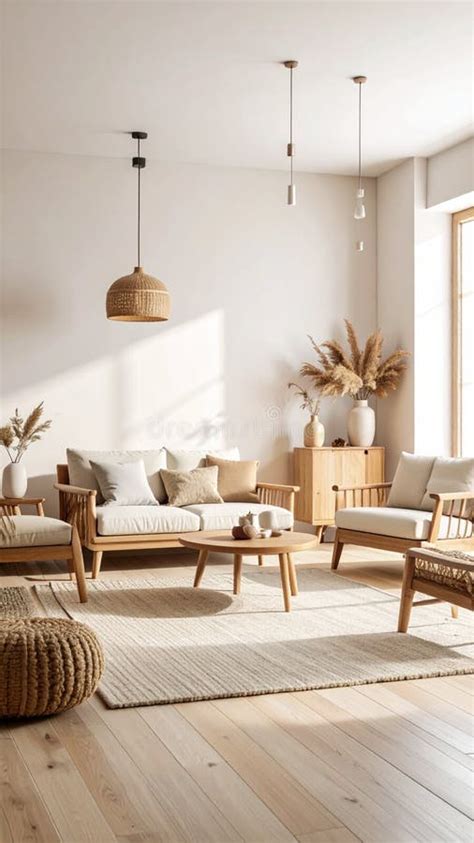
Melbourne has earned a formidable reputation as a southern hemisphere hub for innovative interior design, craftsmanship, and distinctive furniture styling. Outlets in the region frequently clear surplus stock, end-of-line manufacturing runs, and direct-to-trade items at wholesale rates that are significantly lower than equivalent boutique offerings in major U.S. metropolitan areas. For consumers seeking solid timber dining tables, bespoke upholstered sofas, or artisanal accent chairs, the design language found in these showrooms often stands out from mass-produced domestic inventory.
The fundamental advantage of these outlets lies in their direct connection to regional manufacturers and importers who operate on high-volume, low-margin models. By cutting out standard retail middle-men, these suppliers list furniture at prices that spark international curiosity. Furthermore, the aesthetic sensibility prevalent in Melbourne—favoring organic textures, clean lines, and durable natural materials like reclaimed teak, brushed brass, and heavy linen blends—complements many modern American architectural styles, from coastal California ranch homes to urban industrial apartments.
Calculating Total Landed Cost: Purchase Price Versus Freight
Before committing to any international purchase, buyers must calculate the total landed cost, which encompasses the item price, export packing, international ocean or air freight, port handling fees, and domestic U.S. trucking. Shipping a single sofa or a dining set across the Pacific Ocean is rarely cost-effective on a per-item basis due to volumetric weight calculations and minimum ocean freight charges imposed by international carriers. Most freight forwarders charge based on cubic meters, meaning bulky furniture pieces consume significant financial resources during transit.
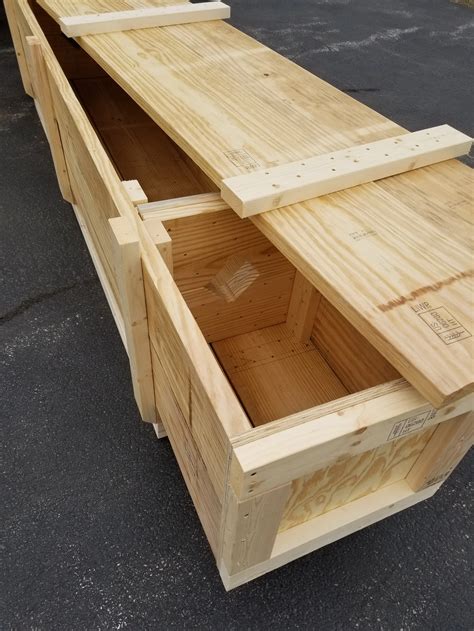
To achieve genuine savings, buyers typically need to coordinate a consolidated shipment containing multiple pieces, or partner with freight brokers who specialize in LCL (Less than Container Load) consolidation. When factoring in crating fees to protect fragile wooden surfaces and upholstered items against moisture and impact during a multi-week ocean voyage, the initial wholesale savings must be substantial enough to absorb these overhead expenses. A thorough financial audit should always compare the projected landed cost against purchasing a comparable domestic piece, including local sales tax and delivery.
Navigating U.S. Customs, Duties, and Import Regulations
Importing furniture into the United States from Australia involves strict compliance with federal regulations, customs clearance procedures, and tariff schedules managed by U.S. Customs and Border Protection (CBP). Depending on the primary construction material of the furniture—such as solid wood, upholstered fabric, metal, or rattan—different Harmonized Tariff Schedule (HTS) codes will apply, dictating the exact duty rates assessed upon arrival at the port of entry.
Additionally, compliance with environmental and agricultural regulations is critical. Wooden furniture and crates are subject to stringent phytosanitary standards to prevent the introduction of invasive pests and timber diseases. The export supplier must provide proper certification verifying that all wood packing materials have been heat-treated or fumigated in compliance with international standards (ISPM 15). Failing to secure correct documentation can result in severe port delays, mandatory quarantine fees, or refused entry, turning a design dream into an administrative nightmare.
Managing Remote Transactions and Mitigating Logistics Risks
Purchasing furniture sight-unseen from a hemisphere away demands rigorous vetting of the supplier and a clear understanding of international consumer protections. Reputable Melbourne wholesale outlets will provide detailed digital specifications, high-resolution material close-ups, and transparent terms regarding manufacturing defects. Buyers should verify whether the outlet offers comprehensive transit insurance that covers loss or structural damage incurred while crossing international waters, as standard domestic warranties rarely extend across global supply chains.
Working with a licensed U.S. customs broker or an experienced international freight forwarder can mitigate many of these risks. These professionals handle the complex paperwork, coordinate port pickup, and arrange final residential delivery, ensuring that heavy items are safely unloaded and brought into the home. While remote purchasing requires patience and careful risk assessment, treating the transaction with the diligence of a commercial import operation allows U.S. homeowners to successfully tap into Melbourne’s vibrant furniture marketplace.
Frequently Asked Questions
Can U.S. residents buy directly from Melbourne wholesale furniture outlets?
Yes, many Melbourne outlets accommodate international buyers, though some operate strictly on a business-to-business basis. Direct-to-consumer wholesale outlets often sell online or through export departments, but buyers must arrange their own freight forwarding and customs clearance.
How long does it take for furniture to ship from Melbourne to the United States?
Ocean freight transit times from Australia to the U.S. West Coast typically range from three to six weeks, while East Coast shipments can take six to nine weeks. This timeline excludes local manufacturing lead times, export packing, port processing, and final domestic trucking.
Are there hidden fees when importing furniture into the U.S.?
Yes, unexpected costs can include container station fees, port storage charges, customs broker fees, domestic cartage from the port to your residence, and federal import duties based on the material composition of the furniture.
What happens if the furniture arrives damaged?
International returns are logistically prohibitive and expensive. Therefore, securing comprehensive cargo insurance that covers full replacement value and transit damage before the shipment departs Melbourne is essential for financial protection.


