Finding the right anchor piece for your living room often feels like a high-stakes balancing act between comfort, spatial constraints, and financial reality. In many American homes and apartments, the living room serves multiple functions—from a quiet evening retreat to a bustling social hub for family and friends. When working within a strict budget, settling for a piece of furniture that feels flimsy or looks uninspired is a common fear. However, achieving an elevated aesthetic without spending thousands of dollars is entirely achievable when you understand what to look for.
The concept of affordable chic is rooted in smart material choices, thoughtful silhouettes, and deliberate styling. Rather than focusing solely on the lowest price tag, successful budget furniture shopping requires evaluating how a sofa integrates into your daily life and complements your existing room architecture. By breaking down the essential considerations for size, construction, and fabric, you can secure a durable seating option that brings warmth and character to your living space.
Defining Affordable Chic for Modern U.S. Living Spaces
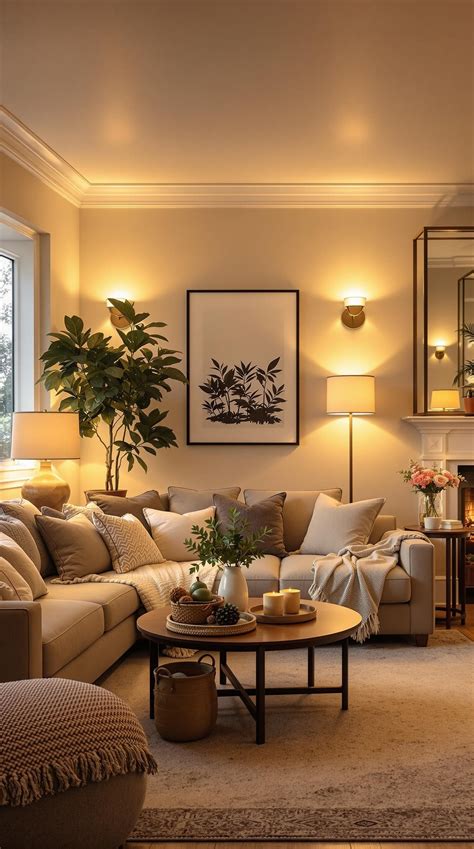
Affordable chic is not about cutting corners or filling a room with temporary items that need replacing in a year. Instead, it is an intentional design philosophy that prioritizes clean lines, versatile neutral palettes, and timeless silhouettes over fleeting trends. In standard U.S. living rooms, which often range from compact urban apartments to modest suburban footprints, a sofa must pull its weight visually and functionally without dominating the entire square footage.
When evaluating budget-friendly sofas, look for design elements typically found in higher-end custom pieces, such as tapered wooden legs, tailored track arms, or subtle tufting. These architectural details draw the eye and elevate the overall presence of the furniture. By avoiding overly bulky frames and choosing streamlined profiles, you create an immediate sense of openness and airiness that defines modern, relaxed American interior styling.
Key Factors to Consider Before Buying a Budget Sofa
Shopping for a budget sofa requires looking past attractive marketing photographs and examining the foundational specifications. Frame construction is the most critical element determining longevity. Solid hardwood or sturdy engineered wood frames provide the structural integrity needed to withstand everyday use, whereas lightweight particle board or plastic joints often fail under pressure. Always check the manufacturer specifications regarding frame materials before making a financial commitment.
Suspension systems and cushion fillings also dictate how comfortable your sofa will feel over time. High-resiliency foam wrapped in polyester fiber offers a supportive sit that bounces back after use, preventing sagging cushions. If you prefer a softer, more relaxed lounging experience, look for budget models that incorporate pocket coils within the seat cushions. These construction methods mimic the feel of luxury upholstery while keeping production costs manageable for mass-market retailers.
Selecting the Right Sofa Style for Compact American Rooms
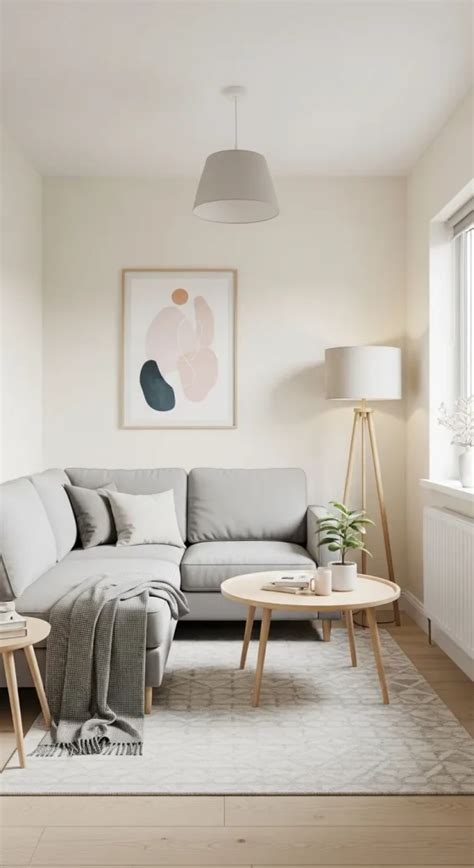
The layout and dimensions of your living room dictate the appropriate sofa silhouette. For narrow city apartments or smaller suburban homes, traditional oversized couches often overwhelm the floor plan and disrupt traffic flow. Apartment sofas, typically ranging between 70 to 80 inches in width, offer full seating capacity while leaving adequate breathing room for side tables, floor lamps, and natural pathways.
Loveseats paired with accent chairs or compact modular sectionals also provide versatile alternatives for challenging room configurations. A modular sectional with a reversible chaise allows you to reconfigure the layout when you move or rearrange your space, adding long-term utility to your initial investment. Prioritizing flexible configurations ensures that your budget furniture adapts seamlessly to changing life stages and home layouts.
Smart Styling Strategies to Elevate an Affordable Sofa
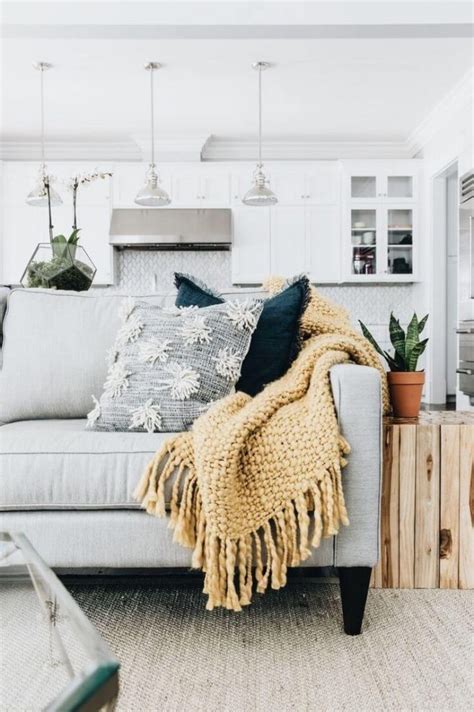
Even the most modest, mass-market sofa can look like an expensive designer piece with the right styling accents. Start by swapping out generic throw pillows for covers made from tactile, natural textiles like linen, heavy cotton, or textured wool. Mixing patterns and subtle color variations adds depth and dimension that distracts from a simple factory-grade upholstery fabric.
Layering a heavy woven throw blanket over one corner of the sofa introduces a sense of relaxed luxury and coziness. Additionally, pay attention to what surrounds the sofa. Grounding the seating area with a richly textured area rug, hanging oversized artwork above the backrest, and placing a warm metallic or ceramic floor lamp nearby draws attention to the cohesive room design rather than the individual price point of the couch.
Frequently Asked Questions
Where can I find stylish, budget-friendly sofas in the U.S.?
Affordable, stylish sofas are widely available through online furniture retailers, mass-market home goods stores, and seasonal clearance sales at major U.S. furniture chains. Look for brands that specialize in direct-to-consumer models, as cutting out traditional brick-and-mortar showroom markups often translates to significant savings for the buyer.
How can I make an inexpensive sofa look high-end?
You can elevate a budget sofa by upgrading its supporting accessories. Add high-quality cushion inserts, use tailored pillow covers made from natural fabrics like linen or heavy cotton, and drape a textured throw blanket over the arm or back. Framing the sofa with deliberate lighting and a sophisticated area rug also enhances its visual appeal.
What sofa size is best for a small living room?
For compact spaces, apartment-sized sofas measuring between 70 and 80 inches wide are typically ideal. They provide comfortable seating for two to three people without overwhelming the room layout. Alternatively, a loveseat paired with an accent chair offers flexible seating without blocking natural light or walkways.
Which upholstery fabrics are best for durability on a budget?
Performance synthetic fabrics, tightly woven polyester blends, and heavy-duty microfiber are excellent budget-friendly choices. They resist stains, withstand daily wear from pets and children, and maintain their color and texture much longer than loose-weave cottons or delicate linens.


