Creating a sophisticated living environment starts from the ground up, where foundational materials set the visual tone for every other design choice in the room. Grey porcelain tiles have emerged as a cornerstone of modern interior design, offering a harmonious blend of architectural edge and understated elegance. Unlike fleeting design fads that quickly feel dated, grey acts as a chameleon neutral that adapts seamlessly to shifting design philosophies, whether your home leans toward minimalist Scandinavian simplicity or warm transitional comfort.
Choosing porcelain for your home improvement projects brings substantial practical benefits alongside its aesthetic appeal. Because porcelain is fired at extremely high temperatures, it produces an exceptionally dense, non-porous surface that withstands heavy foot traffic, moisture, and daily wear with remarkable resilience. When homeowners and designers select premium grey porcelain options, they invest in a material that bridges high-end visual appeal with the rugged durability required for active residential environments.
The Enduring Appeal of Grey Porcelain in Modern Interiors
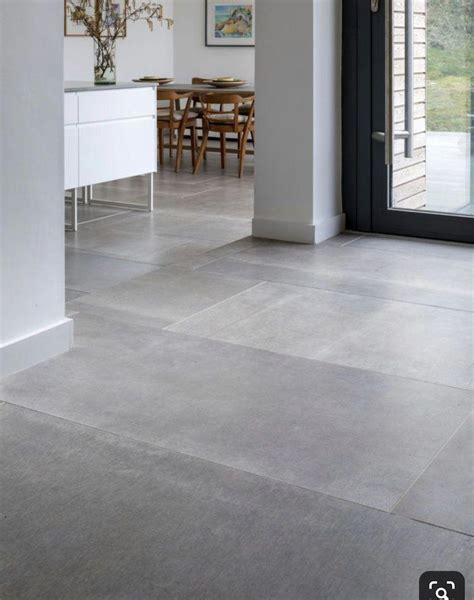
Grey is frequently misunderstood as a cold or purely industrial color, but when utilized correctly in interior architecture, it provides a serene and sophisticated backdrop. The vast spectrum of grey ranges from pale, ethereal silver tones that bounce natural light around small rooms to deep charcoal and slate hues that anchor spacious open-concept layouts with dramatic presence. This remarkable versatility allows designers to curate spaces that feel grounded, balanced, and intentionally composed without overwhelming the senses.
Furthermore, porcelain technology has evolved to replicate natural stones like limestone, slate, and concrete with astonishing fidelity. Homeowners can enjoy the luxurious aesthetic of quarried stone without the burdensome upkeep, staining vulnerabilities, or soft spots typical of natural materials. This combination of visual richness and structural integrity makes grey porcelain a smart, long-term investment for anyone looking to elevate their property’s interior design.
Navigating Finishes and Tonal Variations
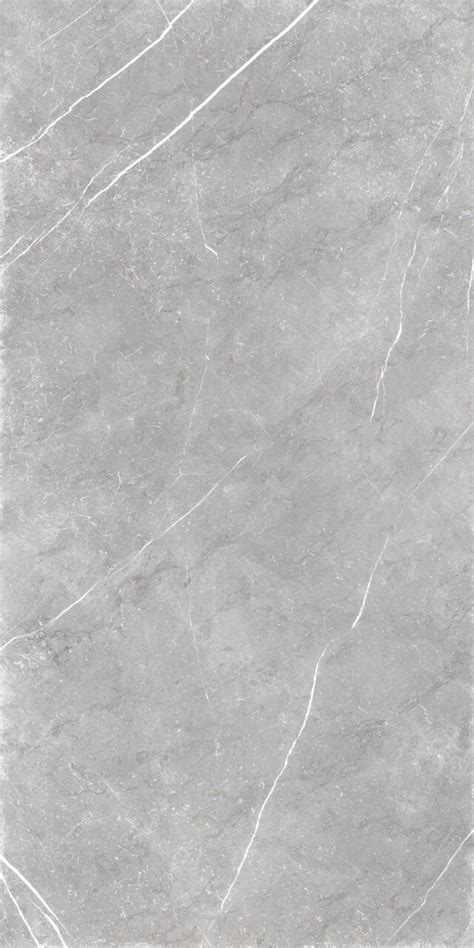
Selecting the right tile involves balancing shade depth with surface texture to achieve the desired mood and functionality in your living space. Matte finishes absorb light softly, creating a relaxed, tactile atmosphere that feels wonderful underfoot and naturally hides minor dust and footprints. On the other hand, polished porcelain tiles reflect light like a mirror, instantly expanding the visual boundaries of compact hallways, powder rooms, or dimly lit kitchens through brilliant sheen.
Textured and honed surfaces introduce another layer of design sophistication by engaging the sense of touch while offering enhanced slip resistance, making them ideal for moisture-prone environments. Lighter grey shades work wonders in rooms receiving minimal sunlight, whereas darker charcoal tiles create a cozy, intimate ambiance in large master suites or entertainment rooms when paired with warm ambient lighting.
Room-by-Room Application Ideas
In the kitchen, grey porcelain floor tiles create a durable, spill-resistant foundation that complements both crisp white Shaker cabinetry and warm wood kitchen islands. Extending the same tile onto the backsplash creates a seamless, monolithic look that streamlines the visual plane and simplifies routine cleaning after cooking.
Bathrooms transform into private spa retreats when finished with large-format grey tiles on both floors and shower walls. Large formats minimize grout lines, resulting in a cleaner, more expansive aesthetic that highlights the subtle veining or concrete-like mottling of the porcelain slabs.
Living areas and entryways also benefit tremendously from durable grey flooring. An expansive entryway tiled in large grey porcelain slabs withstands moisture, mud, and heavy boots effortlessly, establishing a clean transition zone that welcomes guests into an orderly, elegant home.
Warming Up a Grey Palette
A common concern among homeowners is whether an all-grey color scheme will feel sterile or unwelcoming. Preventing this effect simply requires a thoughtful layering of warm textures, organic materials, and contrasting accent colors throughout the room.
Incorporate natural elements like rich walnut wood furniture, woven jute rugs, and plush linen upholstery to instantly soften the cool undertones of grey porcelain floors. Metals such as brushed brass, matte black hardware, and warm copper fixtures introduce metallic warmth and visual interest that make the entire space feel curated, inviting, and deeply lived-in.
Frequently Asked Questions
How do I choose the right shade and finish of grey porcelain tile for my space?
Consider the room’s natural light and overall size. Choose lighter matte greys for smaller or darker rooms to maximize light reflection and create an open feel. Opt for darker charcoal or polished finishes in spacious, well-lit areas where you want to establish a dramatic, elegant focal point.
Are grey porcelain tiles difficult to maintain?
No, porcelain is exceptionally low-maintenance. Its dense, non-porous composition resists moisture, stains, and scratching. Routine sweeping and occasional damp mopping with a neutral cleaner are all that is required to keep your tiles looking pristine for decades.
Which rooms benefit most from grey porcelain tile installations?
High-moisture and high-traffic areas benefit the most, including kitchens, bathrooms, laundry rooms, and entryways. However, their superior durability and refined aesthetic make them equally suitable for open-concept living spaces and finished basements.
How can I keep a grey-tiled room from feeling cold or sterile?
You can introduce warmth by layering organic textures and materials. Pair grey tiles with warm wood furnishings, plush area rugs, leather accents, and warm metallic finishes like brushed brass or copper to create a balanced, cozy atmosphere.
What design elements complement premium grey porcelain tiles?
Elements that introduce contrast and warmth work best. Think minimalist black steel fixtures, natural stone accents, green indoor plants, and soft textiles in cream, beige, or warm terracotta tones to complement the neutral grey foundation.


