Finding the right seating arrangement for a home often starts and ends with a sectional sofa. Because these pieces anchor the living room, serve as the primary spot for family gatherings, and define spatial boundaries in open-concept floor plans, selecting the correct design requires careful thought. Rather than focusing solely on aesthetics, successful selection involves balancing room dimensions, traffic flow, and everyday lifestyle requirements to ensure lasting satisfaction.
When planning a living room layout, understanding how a sectional interacts with architectural features like windows, doors, and media walls is crucial. A poorly placed large-scale piece can disrupt the natural flow of a room, while the right configuration maximizes both seating capacity and functional floor space. Evaluating these factors carefully helps homeowners avoid common sizing pitfalls and creates an inviting environment for daily relaxation and entertaining.
Understanding Sectional Sofa Configurations and Room Shapes
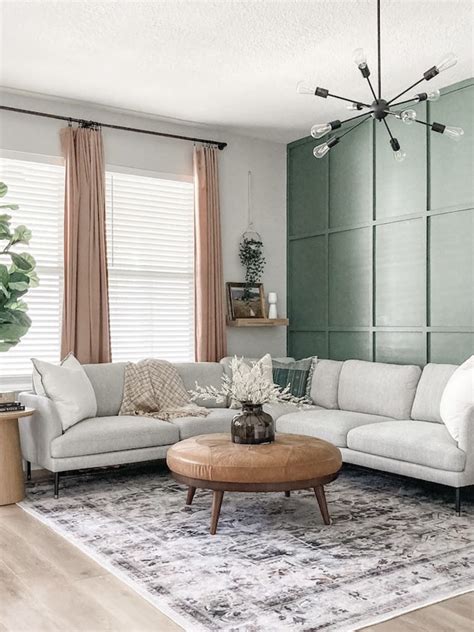
Selecting the ideal configuration depends heavily on the geometry of your living space and how you intend to use the room. L-shaped sectionals remain a versatile choice for standard suburban living rooms as well as more compact urban apartments. They tuck neatly into corners, freeing up central floor space, and often feature either a stationary chaise or a reversible lounge component that adapts to changing layout needs.
U-shaped sectionals, on the other hand, provide expansive seating that excels in larger, open-concept spaces. These large configurations naturally establish distinct conversation areas, effectively separating the living zone from adjacent dining or kitchen spaces without requiring physical walls. However, their substantial footprint demands careful measurement to ensure ample clearance for walking paths and side tables.
Measuring Your Space and Verifying Fit Before Purchase
One of the most frequent challenges homeowners face involves underestimating the physical bulk of a sectional sofa. Before browsing styles, use painter’s tape on your floor to outline the exact dimensions of the prospective sofa, including the chaise projection and arm depth. This practical visualization technique reveals whether the seating will crowd your television viewing angle or impede passage through entryways.
Beyond floor measurements, evaluate delivery logistics, particularly for multi-story homes or tight apartment stairwells. Modular sectionals offer a distinct advantage in these scenarios because they ship in smaller, manageable components that assemble easily on-site. Checking doorway clearances and elevator dimensions beforehand ensures a smooth delivery experience without unexpected installation hurdles.
Selecting Durable Fabrics for Real-Life Households
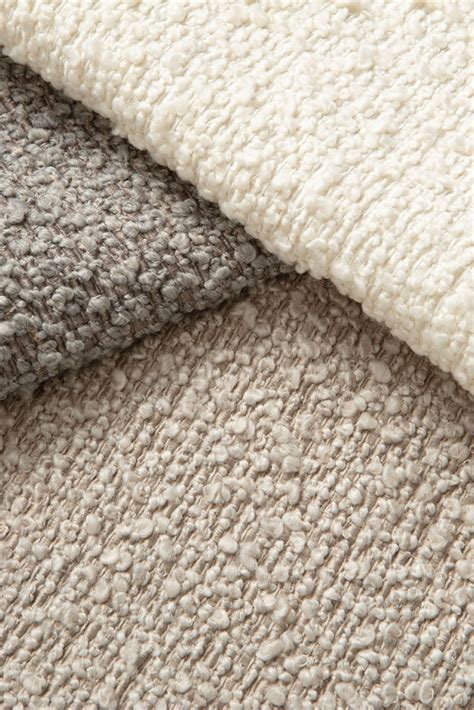
Fabric choice dictates both the tactile experience of your seating and its long-term resilience against daily wear. Households with young children or pets benefit immensely from performance fabrics, which feature tight weaves and advanced stain-resistant treatments. Performance velvet, heavily textured chenille, and solution-dyed acrylics repel liquids and resist snagging, making cleanup remarkably straightforward.
For adult-only households or formal formal living rooms where heavy traffic is rare, natural fibers like heavy linen blends, cotton, and top-grain leather introduce sophisticated texture and aging characteristics. Leather patinas beautifully over time and requires simple routine dusting, though it demands protection from direct sunlight and sharp pet claws to maintain its pristine finish.
Styling Strategies for Open-Concept and Compact Living
Styling a sectional successfully depends on how the furniture anchors the surrounding decor. In open-concept floor plans, floating the sectional away from the walls rather than pushing it into a corner defines the living area clearly. Backing the sofa with a low-profile console table adds surface area for lighting and decor while softening the transition between zones.
For smaller rooms, choosing a sectional with exposed wooden or metal legs creates a lighter visual footprint by allowing light to pass underneath. Paired with a transparent acrylic coffee table or a streamlined ottoman instead of a heavy storage chest, a compact sectional keeps small living rooms feeling open, airy, and uncluttered.
Frequently Asked Questions
How do I choose the right sectional size for my living room?
Start by measuring your total available floor space and mapping out walking paths, leaving at least 30 to 36 inches of clearance around major pathways. Ensure the sectional leaves enough room for side tables, media units, and doors to swing open fully.
Which sectional sofa configurations work best for small spaces?
Compact L-shaped sectionals with a reversible chaise or apartment-sized modular models are ideal for smaller footprints. They offer the lounging benefits of a traditional sectional without overwhelming the room’s proportions.
What are the most durable fabrics for families and pets?
Performance fabrics, solution-dyed synthetics, and distressed top-grain leathers offer the highest durability. These materials resist staining, do not trap pet hair easily, and stand up well to frequent cleaning.
How do I style a sectional sofa in an open-concept home?
Float the sectional in the center of the room to define the living space, and place a narrow console table behind the back cushions. This layout creates an intentional boundary between the lounge area and adjacent dining or kitchen zones.


