When planning a modern living room refresh, selecting the right foundation for your floors and vertical surfaces sets the tone for the entire home. Matte grey tiles have emerged as a favorite among interior designers and homeowners alike, offering a sophisticated canvas that bridges contemporary minimalism and timeless elegance. Unlike high-gloss alternatives that bounce light aggressively and show every footprint, matte finishes absorb and diffuse light, creating a calm, grounded atmosphere. However, working with grey surfaces requires intentional design choices to ensure the space remains inviting rather than sterile.
Achieving a balanced living room design with matte grey tiles comes down to understanding undertones, layering textures, and planning your room’s natural and artificial lighting. Whether you are considering large-format porcelain slabs for an open-plan floor or a textured stone-look tile for a striking feature wall, thoughtful integration transforms a potentially cold surface into a warm, tactile masterpiece. This guide explores strategic ways to incorporate matte grey tiles into your living room while preserving comfort, warmth, and effortless style.
Why Choose Matte Grey for Living Rooms
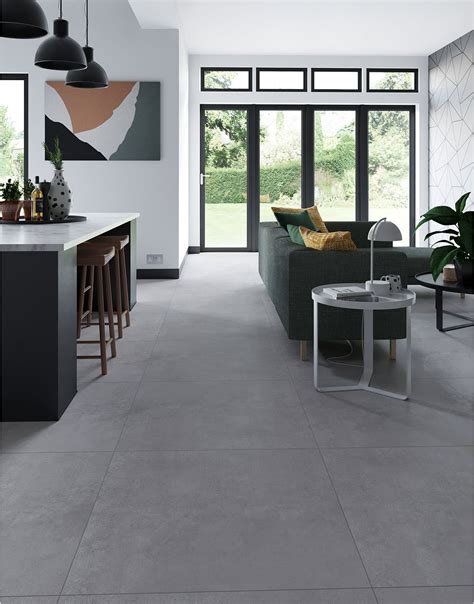
Grey is often celebrated as the ultimate neutral in modern interior design, sitting comfortably between the starkness of pure white and the heavy commitment of dark charcoal. When rendered in a matte finish, grey tiles take on a chalky, sophisticated quality that feels organic rather than industrial. This surface texture mimics natural stone, concrete, or worn limestone, bringing subtle earthy characteristics into urban and suburban homes alike. Furthermore, matte tiles provide a slip-resistant quality that makes them safer for high-traffic gathering spaces, especially homes with children or pets.
Another major advantage of matte grey flooring or wall treatments is their incredible versatility as a backdrop. Because grey contains either cool blue or warm brown undertones, it can adapt to shifting seasonal decor with ease. During warmer months, grey tiles feel refreshingly cool underfoot, while winter months call for layering plush textiles. By choosing a matte surface, you eliminate distracting surface glares from televisions or windows, creating a restful visual environment that prioritizes comfort and relaxation.
Overcoming the Cold Factor with Warm Textures
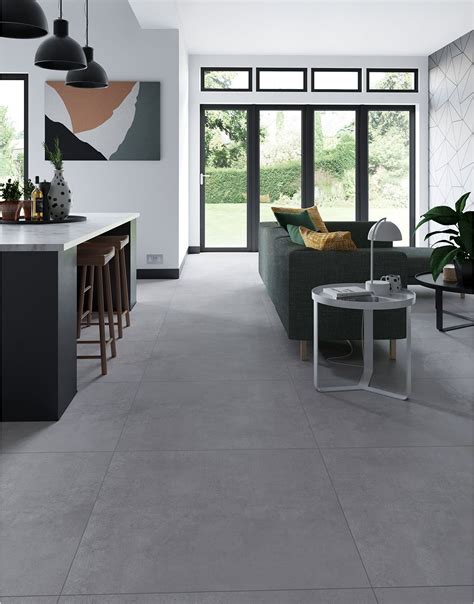
One common hesitation homeowners face is the fear that grey tile will make a living room feel chilly or unwelcoming. To counteract this, interior designers rely heavily on the rule of tactile contrast. Pairing smooth, matte floor tiles with rich wooden furniture, exposed beams, or a chunky wool area rug instantly restores visual warmth. Incorporating organic materials like leather armchairs, rattan side tables, or woven baskets breaks up the uniformity of hard stone surfaces and introduces a welcoming, lived-in feel.
Textiles play a vital role in softening hard tile expanses. Layering heavy linen drapery at the windows and piling bouclé or velvet throw pillows on a deep-seated sofa creates a multi-sensory environment. When the eye registers soft, tactile fabrics alongside sleek matte tiles, the brain perceives the room as comfortable and balanced rather than stark and clinical.
Floors Versus Accent Walls: Where to Place Your Tiles
Deciding whether to install matte grey tiles on the floor, the walls, or both depends heavily on the scale and natural lighting of your living room. Floor applications provide a durable, low-maintenance foundation that unifies open-concept layouts. Large-format grey porcelain tiles on the floor create a seamless visual flow, minimizing grout lines and making compact apartments feel surprisingly expansive. Lighter grey shades reflect ambient light upward, brightening rooms that might otherwise lack abundant natural sunshine.
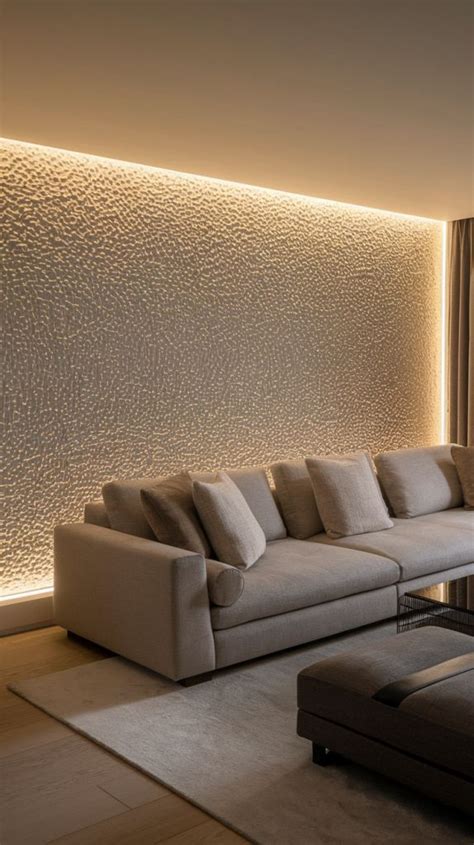
On the other hand, utilizing matte grey tiles on a living room accent wall introduces architectural drama without overwhelming the space. A textured slate-look or geometric tile wall behind a media console or framing a modern fireplace draws the eye upward and adds incredible depth. When used vertically, these tiles act as a piece of permanent art, allowing you to keep surrounding walls in a soft, complementary paint color to maintain an airy, balanced mood.
Lighting Strategies for Matte Surfaces
Because matte surfaces absorb light rather than reflecting it, lighting design is critical to the success of a grey-tiled living room. Relying solely on a single overhead light fixture can cause a matte grey room to look flat or dreary, particularly on overcast days. Instead, employ a layered lighting strategy that incorporates task lighting, floor lamps, and warm LED strip accents tucked behind architectural features or shelving units.
Positioning light sources to wash across tile walls highlights the subtle textures and irregularities inherent in matte stone or concrete-look finishes. Opting for warm bulbs in the 2700K to 3000K range ensures that grey undertones do not read as icy or blue. Dimmable lighting controls also allow you to dramatically shift the room’s mood from bright and energizing during the day to intimate and cozy by evening.
Harmonizing Colors and Decor with Grey Tiling
One of the greatest benefits of a matte grey foundation is its ability to harmonize with a wide spectrum of color palettes. For a serene, monochromatic aesthetic, layer varying shades of charcoal, dove grey, and crisp cream through your upholstery and artwork. This approach creates a sophisticated, hotel-inspired sanctuary where texture takes center stage over loud color contrasts.
If you prefer a more vibrant or earthy palette, grey tiles serve as a neutral anchor that makes accent colors pop. Deep olive greens, terracotta, warm ochre, and rich cognac leather tones look exceptionally striking against grey backgrounds. These earthy hues naturally balance the coolness of grey, grounding the entire room in a sophisticated, nature-inspired warmth that feels both modern and timeless.
Frequently Asked Questions
Do matte grey tiles make a living room look too dark or cold?
Matte grey tiles can potentially feel dark or cool if the room lacks adequate natural light and warm styling elements. To prevent this, choose lighter shades of grey with warm undertones, incorporate plenty of ambient lighting, and warm up the space with wooden furniture, layered textiles, and soft rugs.
Are matte grey tiles difficult to clean compared to glossy finishes?
Actually, matte tiles are often easier to maintain in everyday living spaces because they do not show water spots, smudges, or footprints as easily as high-gloss tiles. Regular sweeping and damp mopping with a neutral pH cleaner are usually all that is required to keep them looking pristine.
What furniture colors go best with grey living room tiles?
Grey tiles pair wonderfully with a wide range of furniture finishes. Warm wood tones like oak and walnut, rich cognac leather, cream upholstery, and jewel tones like emerald green or mustard yellow all create a stunning, balanced contrast against grey floors and walls.
Can I use matte grey tiles in a small living room?
Yes, matte grey tiles work exceptionally well in compact living rooms, especially when using large-format tiles with matching grout. Fewer grout lines create an unbroken surface that tricks the eye into perceiving the room as larger and more open, particularly when paired with adequate lighting.


