Grey tile remains a foundational favorite in American home design due to its unmatched versatility, balancing modern sophistication with timeless calm. Whether you are updating a coastal cottage or a downtown urban loft, grey surfaces adapt effortlessly to shifting design trends. The secret to a successful grey tile installation lies in understanding how undertones, textures, formats, and lighting interact within your specific floor plan. By carefully selecting the right shade and finish, you can avoid a cold, clinical atmosphere and instead create a warm, inviting sanctuary.
When planning your interior update, consider how natural light impacts grey tiles throughout the day. Rooms facing north in cooler U.S. climates often benefit from softer, warmer greys with beige or taupe undertones, while sun-drenched southern exposures can easily support crisp, slate-grey or charcoal hues. This curated collection of fourteen distinct grey tile concepts explores innovative ways to elevate your floors and walls, offering practical guidance on pairing, layout, and room placement.
1. Large-Format Concrete-Look Porcelain Floors
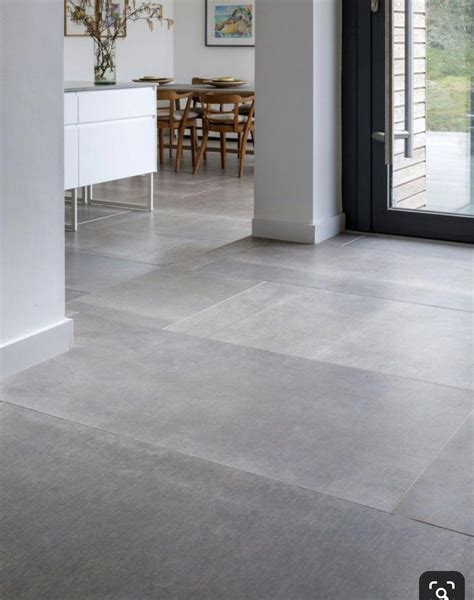
Large-format grey porcelain tiles introduce an expansive, seamless aesthetic to open-plan living rooms and kitchens. Minimizing grout lines not only creates a clean, contemporary visual flow but also makes routine cleaning remarkably straightforward for busy households.
Choosing a soft, concrete-look finish adds an industrial edge without feeling harsh. These oversized tiles reflect ambient light effectively, making them a smart choice for spacious main-floor layouts that require a grounded, cohesive foundation.
2. Luxurious Grey Marble-Look Bathroom Walls
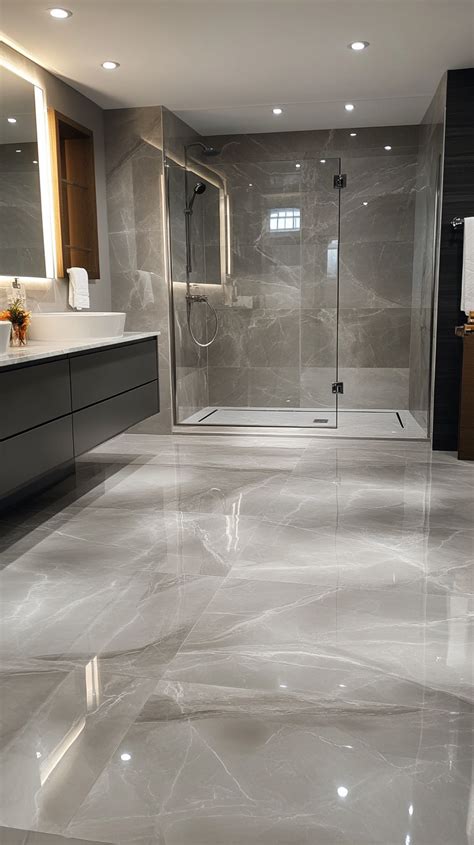
Transform your primary bathroom into a private spa by wrapping shower walls in grey marble-look porcelain or ceramic slabs. Subtle white and charcoal veining introduces organic movement and classic elegance reminiscent of traditional natural stone, minus the high-maintenance sealing requirements.
Pair these luminous wall tiles with brushed brass fixtures and warm oak vanities to balance the inherent coolness of the grey stone. This combination yields a sophisticated, layered atmosphere that elevates daily routines into luxurious experiences.
3. Handcrafted Grey Glazed Subway Tile Backsplashes
For kitchen backsplashes, grey subway tiles offer a fresh departure from standard white ceramic. Look for tiles with slight shade variations and handcrafted edges to bring artisanal character and subtle texture to your culinary workspace.
A soft dove-grey glaze complements both white cabinetry and natural wood shelves. Pair the installation with a matching light-grey grout for a seamless look, or choose a charcoal grout to define the geometric pattern sharply.
4. Geometric Patterned Grey Tiles in Entryways
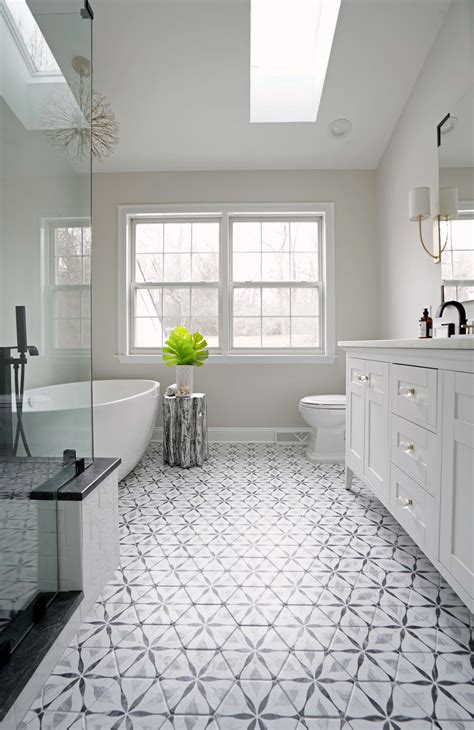
First impressions matter, and a patterned grey tile floor in the entryway establishes an immediate sense of design intentionality. Geometric motifs in charcoal, fog, and white create visual interest while skillfully hiding everyday dirt tracked in from the outdoors.
Because entryways endure heavy foot traffic, select durable porcelain tiles with a matte protective glaze. The tactile surface adds slip resistance while maintaining a sophisticated, welcoming threshold for family and guests.
5. Textured Slate Tiles for Fireplace Surrounds
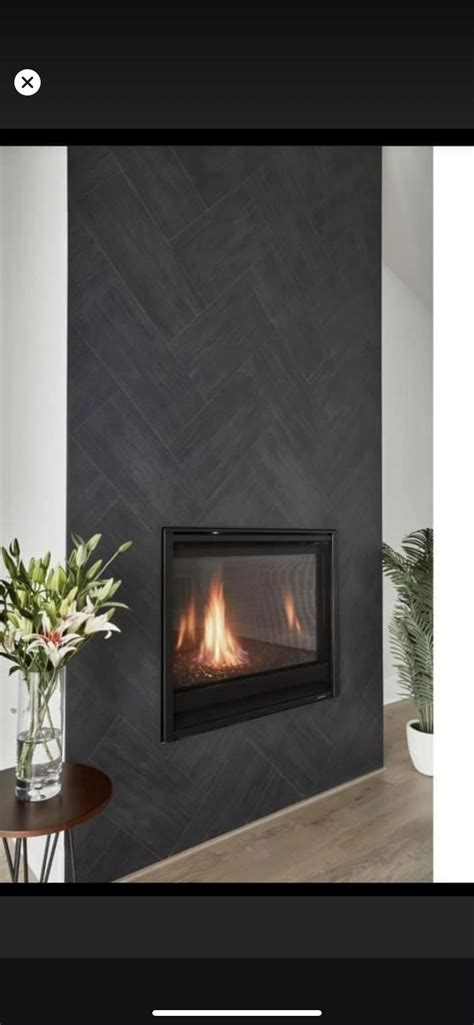
Anchor your living room with a textured grey slate tile fireplace surround. The rugged, uneven surface profile catches the flickering light of a fire, adding incredible depth and rustic charm to transitional and modern farmhouse interiors alike.
Natural slate requires proper sealing upon installation to prevent soot absorption, but its enduring durability and earthy appeal make the minimal maintenance entirely worthwhile for a prominent architectural focal point.
6. Herringbone Grey Wood-Look Tile Floors
If you love the warmth of hardwood but need the waterproof resilience of tile, consider grey wood-look porcelain planks laid in a classic herringbone pattern. This layout introduces dynamic energy and refined movement to hallways, mudrooms, or powder rooms.
The grey stain softens the traditional grain appearance, offering a contemporary neutral backdrop for colorful rugs, minimalist furniture, and architectural mouldings.
7. Penny Round Grey Mosaic Shower Floors
Penny round tiles in varying shades of grey create a charming, tactile surface that is especially well-suited for walk-in shower floors. The multitude of grout lines provides natural slip resistance underfoot while delivering delightful retro texture.
To maintain a cohesive aesthetic, coordinate the penny rounds with larger format wall tiles in a complementary solid grey tone. This pairing creates a balanced contrast between intricate floor details and expansive wall surfaces.
8. Vertical Stacked Grey Tiles in Compact Powder Rooms
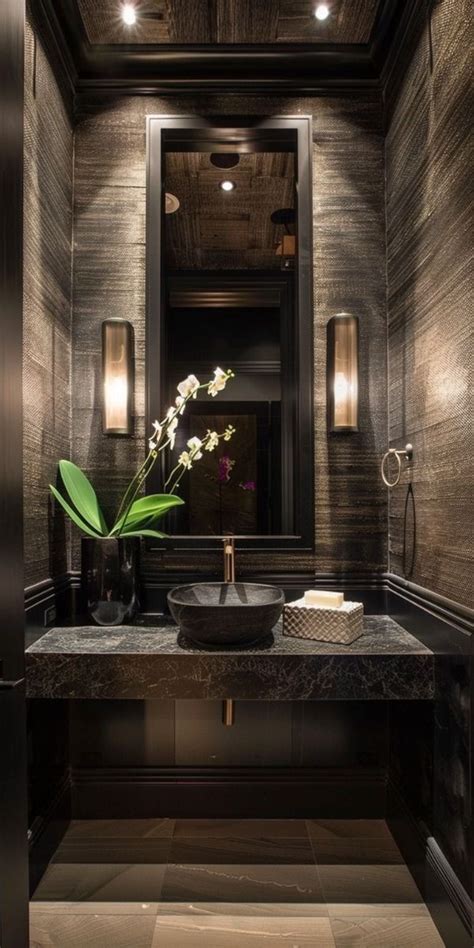
Maximize the perceived ceiling height of a small powder room by installing rectangular grey tiles in a clean, vertical stacked bond pattern. This unexpected orientation draws the eye upward, making compact spaces feel surprisingly grand and architectural.
Opt for a satin or semi-gloss finish to bounce soft lighting around the room. Contrast the cool grey tiles with matte black plumbing fixtures and a floating wooden sink console for a striking, modern minimalist look.
9. Charcoal Hexagon Tiles for Laundry Room Floors
Utility spaces deserve thoughtful design just as much as main living areas. Deep charcoal hexagon tiles provide a durable, stain-resistant floor surface that stands up effortlessly to laundry baskets, pets, and heavy appliance vibrations.
The six-sided geometric shape adds subtle architectural flair without competing with patterned wallpaper or colorful cabinetry. Use a medium-grey grout to bridge the color transition between the dark tiles and surrounding baseboards.
10. Two-Tone Grey Wainscoting in Hallways
Protect high-traffic hallway walls from scuffs and bumps by creating a durable tile wainscoting. Combine darker grey rectangular tiles on the lower half of the wall with lighter grey paint or upper wall tiles.
Top the tile transition with a sleek chair rail molding painted to match your interior trim. This classic design technique adds structural depth and enduring protection to narrow corridors and stair landings.
11. Fluted Grey Wall Tiles for Feature Accents
Introduce three-dimensional artistry to your home by incorporating fluted or ribbed grey wall tiles in spaces like a bedroom accent wall or behind a wet bar. The sculptural ridges create dramatic shadow play throughout the day as natural sunlight shifts.
Keep surrounding decor understated to let the textural feature wall command attention. Pair the fluted tiles with warm ambient lighting, such as wall sconces, to accentuate their unique sculptural form.
12. Matte Light Grey Terrazzo-Look Tiles
Terrazzo-look tiles infused with grey chips and mineral flecks offer a playful yet sophisticated nod to mid-century modern style. These versatile tiles work wonderfully on both kitchen floors and bathroom shower walls.
The speckled pattern is exceptionally forgiving when it comes to everyday dust and water spots, making it a practical choice for busy family homes that refuse to sacrifice high-end visual appeal.
13. Metallic-Infused Grey Tiles for Contemporary Kitchens
For a sleek, urban aesthetic, explore grey tiles featuring subtle metallic sheens or mica flecks. These tiles catch the overhead kitchen lighting, imparting a gentle, sophisticated shimmer that elevates modern minimalist cabinetry.
Balance the reflective quality of metallic tiles by incorporating matte elements nearby, such as oiled bronze hardware or textured linen window treatments, to keep the space grounded and comfortable.
14. Transitional Pebble-Texture Grey Shower Bases
Bring an organic, spa-like element into your bathroom design with sliced pebble tiles in varying shades of grey. These natural stone tiles feel wonderful underfoot and offer exceptional slip resistance for wet-room environments.
Surround the pebble shower floor with large format smooth grey wall tiles to create a striking textural contrast between rustic footing and sleek, modern vertical enclosures.
Frequently Asked Questions
What shades of grey tile work best for small spaces versus large rooms?
Light grey tiles with warm undertones are ideal for small spaces because they reflect ambient light and visually expand the room. In larger rooms with abundant natural light, you can easily use deep charcoal, slate, or large-format dark grey tiles to create intimacy and architectural drama without making the space feel cramped.
How can I style grey tiles so they don’t look cold or sterile?
To prevent grey tiles from feeling sterile, introduce tactile warmth and organic textures. Pair grey floors or walls with natural wood vanities or shelving, woven rattan baskets, brushed brass or copper hardware, and soft textiles like plush rugs and linen curtains.
Where should I use glossy versus matte grey tiles in the home?
Glossy grey tiles are best suited for vertical surfaces such as kitchen backsplashes, shower walls, and powder room accents where they can reflect light and wipe clean easily. Matte grey tiles provide essential slip resistance and a grounded feel, making them the preferred choice for floors in bathrooms, entryways, and kitchens.
What grout colors complement different grey tile designs?
Matching your grout color to the tile creates a seamless, monolithic look that enlarges the appearance of the surface. Conversely, using a contrasting grout—such as dark charcoal grout with light grey subway tiles—highlights geometric patterns and adds a classic, tailored grid aesthetic to walls and floors.


