Designing a cream-colored living room offers a masterclass in understated elegance. Far from being boring or sterile, a carefully curated neutral palette provides a calm backdrop that allows architectural details, organic textures, and personal objects to shine. When approached with thoughtfulness, a cream living room transcends fleeting interior trends, offering a classic aesthetic that feels remarkably welcoming at the end of a long day.
The secret to mastering this look lies in avoiding flat monotony. By balancing subtle variations in paint undertones, combining tactile fabrics like heavy linen and plush bouclé, and incorporating natural elements like aged wood and warm metals, you can build a space with genuine depth and character. Here are eleven thoughtful ways to design a cream living room that feels timeless, cozy, and distinctly liveable.
1. Test and Select the Right Cream Undertones
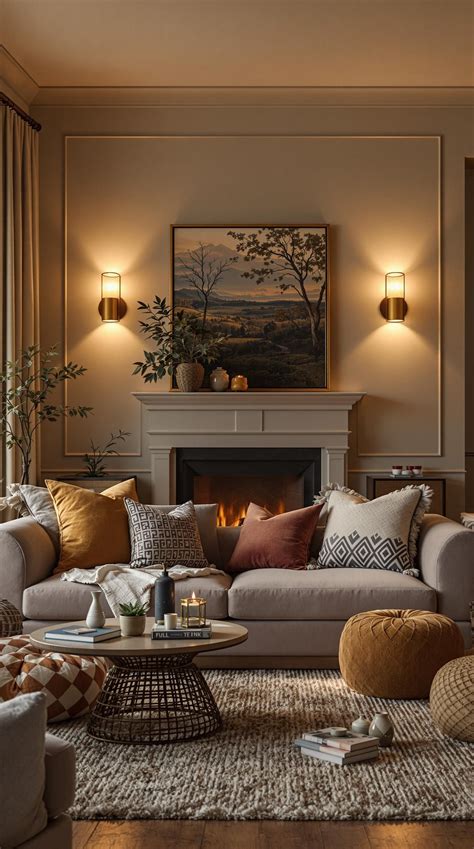
Before painting your walls or investing in major upholstery, understanding undertones is essential. Cream is rarely a pure, neutral white; it usually leans either warm (with subtle yellow, pink, or peach undertones) or cool (with slight green or gray whispers). In rooms with north-facing windows in North America, which typically cast a cooler, bluer light, a warm creamy hue with yellow or beige undertones prevents the space from feeling clinical.
Conversely, sun-drenched south-facing rooms can easily amplify warm undertones, sometimes making a cream wall look unexpectedly buttery or yellow. Always paint large sample swatches on multiple walls and observe them at different times of day. This practical step ensures your chosen shade harmonizes naturally with your specific architectural light rather than fighting against it.
2. Layer Tactile Textures to Eliminate Sterility
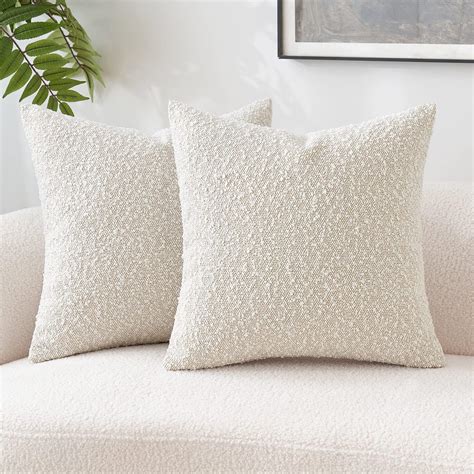
When working within a monochromatic palette, texture becomes your primary tool for visual interest. A room furnished entirely in smooth cotton and sleek leather will quickly feel flat. Instead, build a sensory landscape by combining a chunky wool rug, heavy linen drapery, a woven rattan accent chair, and smooth plaster or travertine side tables.
This interplay of rough and smooth, matte and glossy, tricks the eye into perceiving richness and depth without needing bold color. In high-traffic family spaces, tactile performance fabrics such as heavy textured chenille or performance bouclé offer both the required durability and the inviting softness that defines classic design.
3. Ground the Space with Warm Wood Finishes
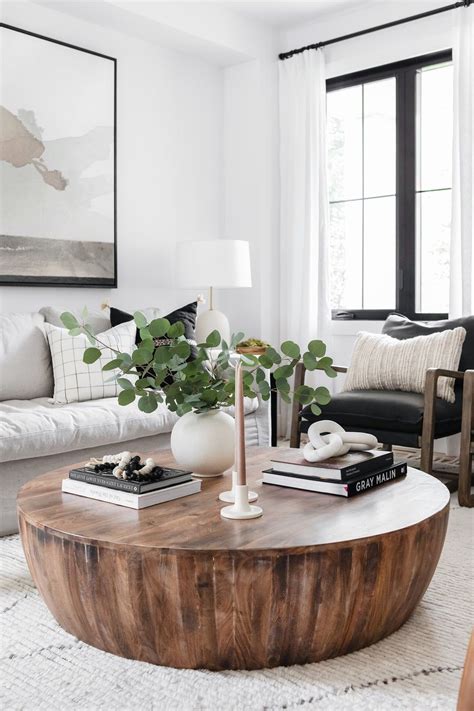
Nothing combats the potential chill of a cream room faster than organic wood tones. Introduce warmth through exposed ceiling beams, hardwood flooring, vintage coffee tables, or mid-century modern accent chairs featuring walnut, white oak, or reclaimed pine frames.
The golden and amber hues found in natural wood act as a visual anchor, preventing cream upholstery and walls from floating in an undefined void. Mixing different wood finishes within the same room—such as a dark oak media console paired with light ash side tables—adds a collected-over-time patina that feels authentic and deeply relaxing.
4. Incorporate Layered Lighting for Evening Coziness
Natural daylight can make a cream room feel airy and expansive, but artificial lighting dictates how cozy the space feels after sunset. Relying solely on a single overhead ceiling fixture will wash out the nuanced neutral tones, casting harsh shadows and making the room feel stark.
Instead, embrace a layered lighting strategy that combines floor lamps with linen shades, dimmable wall sconces, and plenty of amber-toned table lamps. Choosing lightbulbs with a warm color temperature between 2400K and 2700K ensures that your cream walls and furnishings glow softly in the evening, creating an intimate ambiance.
5. Anchor the Room with an Organic Area Rug
Your choice of flooring and rugs sets the foundation for the entire living room layout. If you have wall-to-wall cream carpeting, introduce contrast and definition with a vintage-inspired or high-pile wool area rug featuring subtle beige, taupe, or faded brown motifs.
For homes with hardwood or tile floors, a large jute, sisal, or cream wool-blend rug adds instant warmth underfoot. Textured rugs with low-contrast patterns are also remarkably forgiving in households with children or pets, helping to mask everyday dust and minor wear between cleanings.
6. Introduce Subtle Contrast with Dark Accents
A successful cream living room does not mean every single item must be monochromatic. Introducing a few deliberate, high-contrast dark accents provides a visual punctuation mark that sharpens the entire design. Think of matte black iron window frames, an antique brass and bronze floor lamp, or a striking charcoal ceramic vase.
You can also incorporate dark elements through smaller accessories, such as ebony-framed artwork, a dark leather catch-all tray, or contrasting throw pillows with charcoal piping. These grounding details prevent the creamy backdrop from feeling washed out and give the room a crisp, professional polish.
7. Soften Seating with Generous Slipcovers
For an effortlessly classic and inviting look, consider upholstered seating featuring relaxed linen or cotton slipcovers. Slipcovered sofas and armchairs immediately soften the architectural lines of a room, introducing an approachable, lived-in elegance that feels entirely unpretentious.
From a practical standpoint, removable and washable slipcovers are a game-changer for real-life households dealing with daily spills, pet hair, or everyday family traffic. Choosing a heavyweight, pre-washed linen blend ensures the fabric drapes gracefully and softens further with every wash cycle.
8. Bring in Living Greenery for Organic Vitality
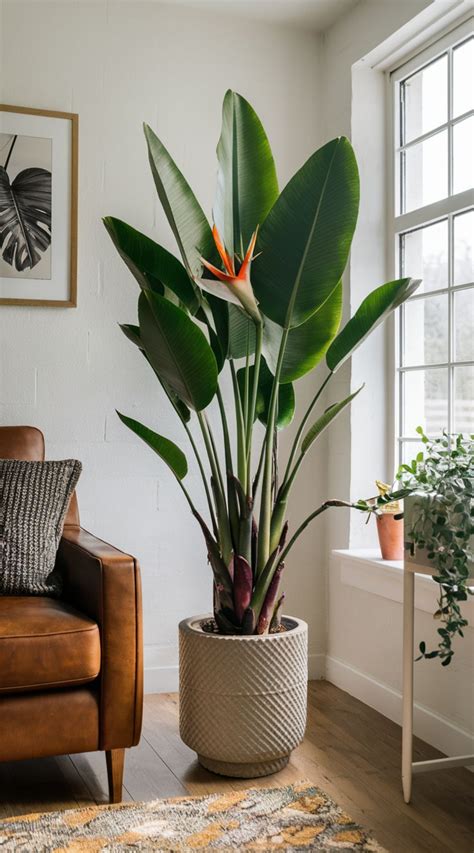
Plants provide an irreplaceable splash of organic color and life that instantly revitalizes any neutral interior. The vibrant green leaves of a fiddle-leaf fig, a tall snake plant, or trailing pothos stand out brilliantly against creamy walls and soft upholstery.
To enhance the classic aesthetic, house your plants in aged terracotta pots, travertine planters, or woven baskets. The earthy red-browns of traditional terracotta or the porous texture of stone create a gorgeous, grounded contrast against the light backdrop of a cream-centric color scheme.
9. Embrace Architectural Details and Plaster Finishes
If you are planning structural updates or cosmetic renovations, consider leaning into architectural details that add intrinsic character to cream spaces. Traditional picture-rail moldings, beadboard wainscoting, or subtle plaster finishes create dynamic plays of light and shadow across flat walls.
Using a limewash or mineral paint finish can give cream walls a chalky, softly mottled texture reminiscent of historic European farmhouses. This technique builds instant heritage and visual movement, ensuring the walls themselves act as a primary decorative feature.
10. Curate a Restrained Palette of Supporting Neutrals
While cream is the undisputed star of the room, introducing a tightly edited supporting cast of adjacent neutrals elevates the overall sophistication. Pair your primary cream tones with soft greige, warm oatmeal, muted camel, and pale taupe.
By sticking to this harmonious tonal family, you maintain the serene atmosphere of a monochromatic room while preventing it from feeling flat or clinical. Use these supporting hues in smaller doses through throw blankets, patterned ceramics, or upholstered ottoman stools.
11. Keep Styling Curated and Clutter-Free
The inviting nature of a cream room relies heavily on a sense of calm and breathing room. Because neutral palettes highlight shape and form, avoid overcrowding surfaces with too many competing knick-knacks or decorative objects.
Instead, practice intentional curation: display a stack of art books on the coffee table, a single ceramic vessel on the mantel, and meaningful framed photographs on floating shelves. Leaving some surfaces intentionally bare allows the eye to rest, reinforcing the serene, restorative quality of your classic cream living room.
Frequently Asked Questions
How do I keep a cream living room from looking cold or sterile?
The best way to prevent a cream room from looking sterile is to layer diverse textures and warm wood tones. Combine smooth upholstery with chunky knit throws, linen curtains, woven baskets, and rustic wooden furniture. Additionally, use warm-toned lighting bulbs (around 2400K to 2700K) to give the room an inviting glow after dark.
What colors pair best with cream furniture and walls?
Cream is exceptionally versatile and pairs wonderfully with warm neutrals like camel, taupe, greige, and oatmeal. For grounding contrast, incorporate touches of matte black, charcoal gray, or aged bronze. Organic greens from houseplants and rich earth tones like terracotta also complement cream palettes beautifully.
Which fabrics work best in a high-traffic cream living room?
In households with children or pets, look for performance fabrics treated for stain resistance, or opt for heavy, pre-washed linen and cotton slipcovers that can be easily removed and washed. Textured fabrics like chenille, heavy canvas, and looped bouclé are also great at hiding daily wear while maintaining a cozy, tactile feel.


