Designing a welcoming and functional living space relies heavily on how furniture interacts with your daily routine and spatial boundaries. While sofas and armchairs define the primary seating zones, tables provide the critical landing spots for everyday life, from morning coffee mugs and remote controls to evening reading lamps and decorative trays. Selecting the right pieces requires balancing spatial dimensions with the practical demands of your household, ensuring that every square foot serves a distinct purpose.
Understanding the core categories of living room tables helps streamline your purchasing choices and prevents common layout mistakes. Rather than filling every empty corner with surface area, focus on purposeful additions that enhance traffic flow, improve ergonomic comfort, and anchor the overall design aesthetic of your home without making the room feel cramped or cluttered.
The Core Triad: Coffee Tables, End Tables, and Accent Tables
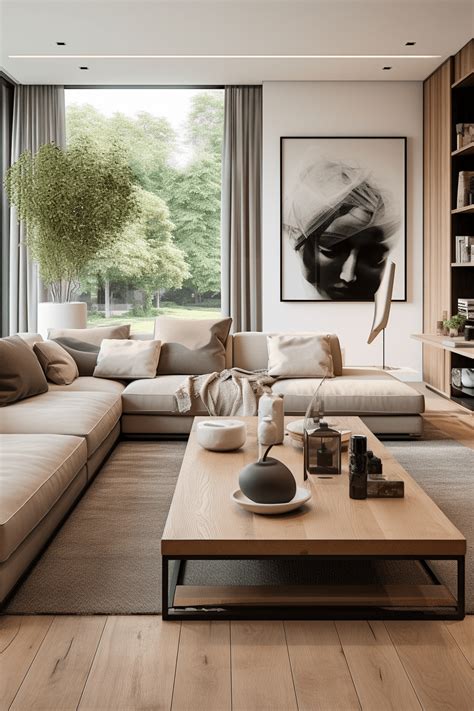
Every well-balanced living room typically relies on three main table types, each serving a distinct operational purpose within the seating arrangement. The coffee table anchors the center of the room, acting as both a visual focal point and a utilitarian surface. When paired with proper seating, it supports everything from decorative styling books to board games during family movie nights, while also providing a convenient reach-zone from multiple seats.
End tables and accent tables flank your sofas and lounge chairs, offering essential task surfaces for reading lights, charging stations, and beverages. While traditional end tables often match larger furniture pieces for a cohesive look, accent tables provide an opportunity to introduce contrasting materials, unique geometric silhouettes, or unexpected pops of color into a neutral room. Diversifying these pieces prevents the space from looking like a matched showroom set, adding character and layered visual interest.
Mastering Sizing and Placement Rules for Your Layout
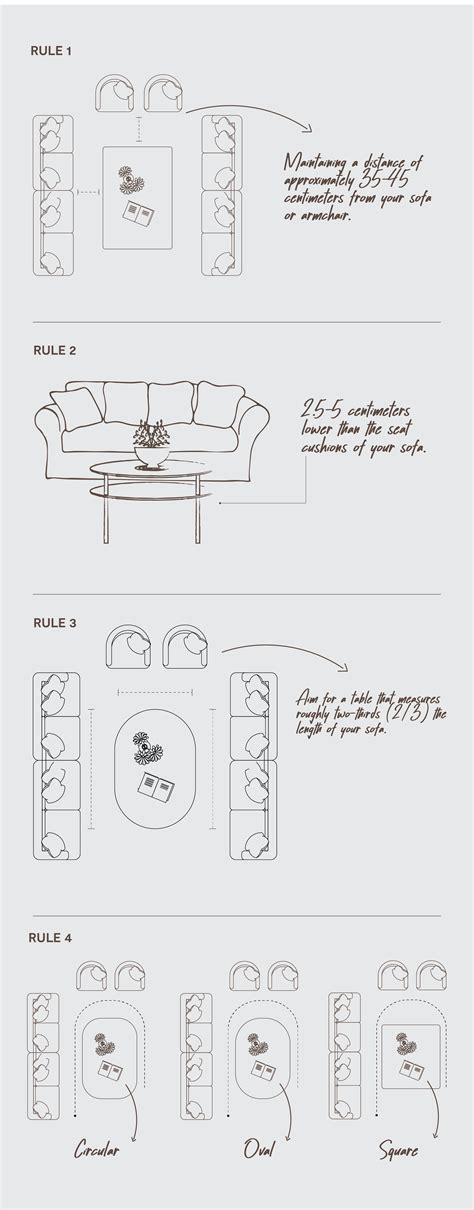
Proportion is the single most critical factor when introducing tables into a living room layout. A coffee table should generally measure about two-thirds the total length of your sofa and sit approximately sixteen to eighteen inches away. This specific gap allows for comfortable legroom when sitting down or standing up, while still keeping beverages within easy arm’s reach without requiring an awkward stretch.
Clearance is equally vital for side and end tables to maintain smooth traffic pathways around your seating furniture. The top surface of an end table should ideally sit level with or slightly below the arm of the sofa or chair it serves, preventing awkward reaching and maintaining clean sightlines across the room. If your side table is significantly taller or shorter than the armrest, it disrupts the ergonomic flow and increases the risk of tipping items over during daily use.
Balancing Materials, Durability, and Visual Weight
Choosing materials involves weighing your aesthetic preferences against the real-world durability required by your household routine. Solid wood brings natural warmth and timeless appeal to a room, though certain finishes may require coasters to prevent water rings and heat marks from hot mugs. Families with young children or pets often lean toward textured wood grains or distressed surfaces that naturally camouflage minor wear and tear over time.
Glass, stone, and metal introduce entirely different tactile dimensions to your interior design scheme. Glass and acrylic tabletops help maximize natural light and create an airy, open illusion in smaller rooms, making them popular choices for compact urban apartments. Meanwhile, heavy travertine or marble tabletops anchor contemporary spaces with architectural solidity, though their weight requires careful placement planning if you frequently rearrange your layout.
Smart Solutions for Compact Spaces and Rental Homes
For renters or those working with modest square footage, traditional multi-piece furniture sets can quickly overwhelm a room and restrict movement. Instead, look for adaptable alternatives such as nesting tables that expand when guests arrive for evening gatherings and tuck neatly away against a wall when floor space is at a premium. These flexible pieces provide instant surface area without demanding a permanent footprint.
Storage ottomans paired with reversible wooden trays, lift-top coffee tables with hidden compartments, and slim console tables that double as compact desks offer incredible versatility. These multi-functional items adapt to changing lifestyle needs without requiring a complete room overhaul, proving that small footprints never have to compromise on style or daily utility. By prioritizing adaptability, you can maintain an open, breathable living environment regardless of your home’s total square footage.
Frequently Asked Questions
What living room tables are truly essential for a functional home?
At a minimum, most homes benefit from a primary coffee table placed centrally to the main seating and at least one end or side table next to the primary sofa or reading chair for placing lamps and beverages.
How do I choose the right coffee table size for my sofa?
A good rule of thumb is to select a coffee table that is roughly two-thirds the total length of your sofa. Ensure you leave about 16 to 18 inches of clearance between the sofa edge and the table for comfortable leg movement.
What is the difference between an end table, a side table, and an accent table?
While the terms are often used interchangeably, end tables typically flank a sofa, side tables are versatile enough to move around as needed, and accent tables are often chosen primarily for their decorative design impact rather than heavy utility.
How can I incorporate tables into small or awkward living room layouts?
Opt for nesting tables, round coffee tables with soft edges to improve traffic flow, or multi-functional pieces like storage ottomans with trays that serve double duty in tight urban spaces.


