Floating shelves offer a seamless, modern way to maximize vertical storage and display cherished decor items without the visual bulk of traditional brackets. However, the gap between admiring a clean architectural photo online and successfully anchoring a shelf to your own living room wall can feel intimidating. Whether you are working with fragile drywall in a rental apartment or solid plaster in a historic home, achieving professional-looking results comes down to matching your approach to your actual hardware knowledge and skill level.
Successfully integrating floating shelves into your space requires balancing two distinct disciplines: the structural engineering of secure wall mounting and the artistic curation of balanced styling. When you understand your wall’s limitations and use the correct hardware, you prevent sagging and property damage. By pairing this technical foundation with deliberate layout strategies, your shelves will look intentionally designed rather than hastily assembled.
Assessing Wall Types and Weight Capacities
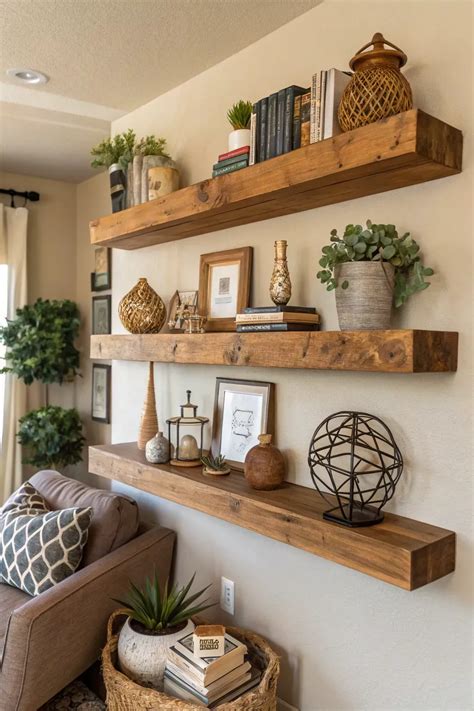
Before buying decorative timber or ordering hardware online, you must evaluate the substrate behind your paint. Different wall types dictate entirely different anchoring strategies, and failing to identify your wall construction is the primary cause of shelf failure. Standard drywall requires locating timber studs for heavy loads or utilizing robust toggle anchors when stud placement does not align with your design vision.
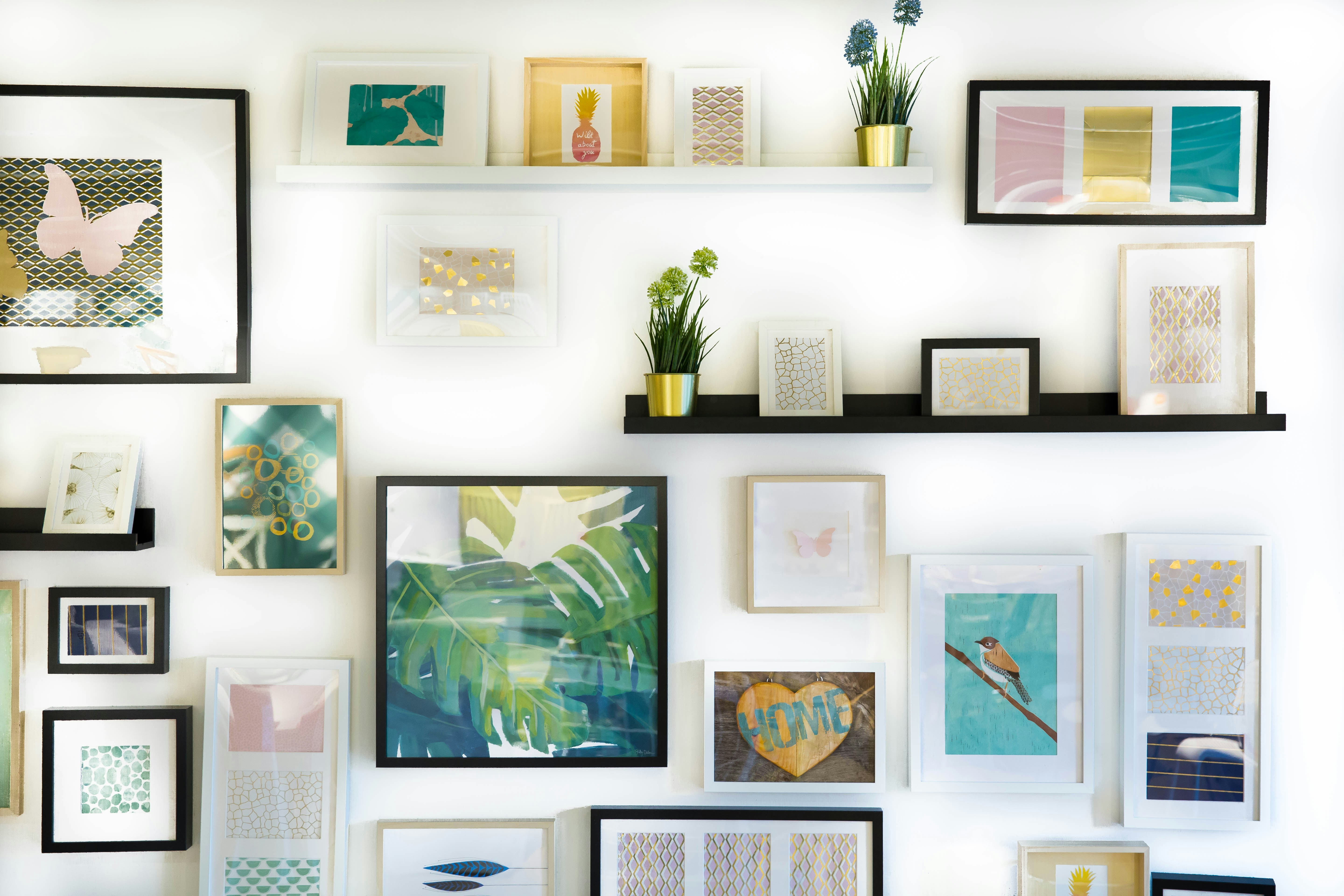
Solid masonry walls, such as brick or concrete, require a rotary hammer drill and masonry anchors, providing exceptional weight capacity once properly installed. Plaster and lath walls, common in older homes, demand a gentle touch and specialized hardware to avoid crumbling. Always check the manufacturer’s specified weight limit for the shelf itself, keeping in mind that the total weight capacity is ultimately limited by the weakest link in your installation chain—whether that is the screw, the wall anchor, or the wall material itself.
Installation by Skill Level: From Renters to Advanced DIYers
Your comfort with power tools and commitment to wall modifications should guide your installation strategy. Breaking the process down into tiered capability categories ensures you can achieve an attractive result without taking on risks beyond your current experience level.
Beginner and Renter-Friendly Solutions
If you live in a rental property or prefer to avoid heavy drilling, lightweight display ledges mounted with heavy-duty adhesive strips or small picture-frame nails provide a practical alternative. These solutions will not support heavy stoneware or stacked hardback books, but they provide a wonderful platform for lightweight picture frames, small succulents, and seasonal cards. When moving out, minor patch work on small nail holes is easily managed with lightweight spackle and touch-up paint.
Intermediate Drywall Mounting with Studs
For standard homeowners ready to use a power drill, anchoring into at least one vertical wall stud while using heavy-duty drywall anchors for the remaining mounting holes yields sturdy results. Begin by using an electronic stud finder to locate the center of the wood framing, then level your mounting bracket carefully using a bubble level before marking your drill points. Driving your screws directly into a wooden stud provides the primary load-bearing strength, while quality anchors prevent lateral twisting.
Advanced Concealed Bracket Installation
Heavy solid-wood shelves often rely on internal steel backplates with welded rods that slide directly into pre-bored holes within the timber. This advanced technique requires absolute precision; if your bracket holes are off by even a fraction of an inch, the shelf will not slide flush against the drywall. Take your time measuring twice, pre-drill pilot holes to prevent wood splitting, and verify plumb alignment at every single step of the assembly process.
Styling Formulas for Balanced Floating Shelves
Once your shelves are securely mounted, styling transforms bare wood planks into a curated focal point. Avoid the temptation to crowd every square inch of surface area with knick-knacks, as negative space is essential for letting individual pieces breathe and shine.
Begin by anchoring each shelf with one or two larger foundational items, such as a medium-sized art print leaned against the back wall or a small stack of textured books laid flat. Layer smaller objects in front of these anchor pieces, varying heights and materials to create visual depth. Incorporating organic elements like trailing pothos vines or textured ceramic vases breaks up rigid horizontal lines, resulting in a warm, lived-in aesthetic that elevates your entire room.
Frequently Asked Questions
How do I install floating shelves without damaging rental walls?
For rental properties, look for lightweight picture-ledge style shelves that utilize heavy-duty adhesive mounting systems or minimal small-nail hanging brackets. Always review your lease agreement regarding wall alterations, and choose lighter decorative items to stay well within safe weight thresholds.
What is the best way to find wall studs for heavy shelves?
Use an electronic stud finder to locate the edges and center of wooden studs behind your drywall. For absolute certainty, you can tap gently on the wall to listen for solid versus hollow sounds, or test your stud finder readings with a very small, discreet pilot hole where the bracket will eventually cover it.
How much weight can floating shelves actually hold?
Weight capacity depends heavily on the mounting hardware, the shelf length, and your wall type. A hollow drywall installation without stud anchoring might only hold 10 to 15 pounds safely, whereas a heavy-duty steel bracket anchored directly into multiple wooden studs can often support 50 pounds or more.
How do I style floating shelves so they don’t look cluttered?
Group items in odd numbers, mix vertical elements with horizontal stacks of books, and leave generous amounts of negative space empty. Sticking to a cohesive color palette that echoes the rest of your room decor helps maintain a clean, intentional look.


