Creating a mid-century modern living room in a contemporary American home requires a careful balance between historical reverence and everyday livability. While the classic design movement is celebrated for its clean lines, organic shapes, and celebration of materials, simply filling a room with vintage reproductions can easily make the space feel like a staged museum exhibit rather than a comfortable home. The secret to a fresh, updated look is curation: pairing iconic silhouettes with softer, contemporary textures, relaxed seating depths, and a lighter color foundation tailored to how we live today.
Whether you are outfitting an open-plan suburban home or maximizing space in a compact urban apartment, mid-century design offers remarkable scale and versatility. By focusing on architectural furniture legs, warm wood tones, and intentional pops of earthy color, you can achieve a sophisticated atmosphere that feels both grounded and airy. The following design strategies explore how to translate mid-century modern principles into a functional, stylish environment that suits your lifestyle.
Defining Modern Mid-Century Updates for Today’s U.S. Homes
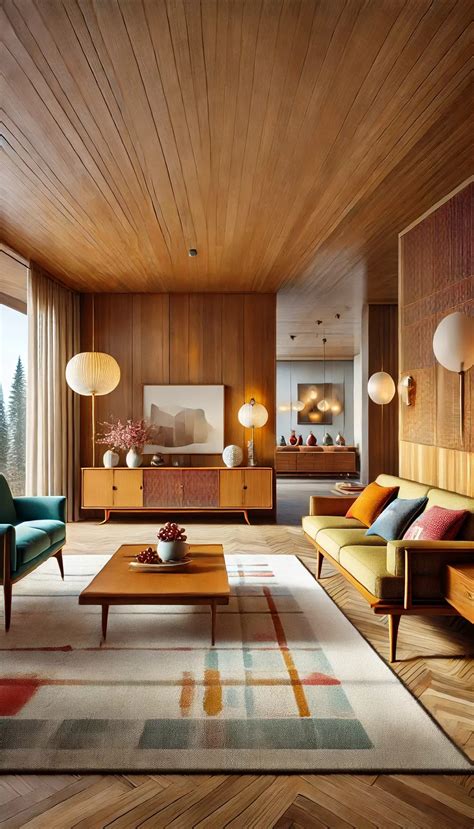
The primary challenge when styling a mid-century space today is avoiding the trap of heavy, matchy-matchy wood suites from the past. Traditional mid-century catalogs often featured matching walnut or teak sets that can overwhelm modern living areas, particularly those with standard ceiling heights or open-concept layouts. A fresher approach involves mixing eras and materials, combining a streamlined walnut media console with a nubby boucle sofa or a minimalist stone-top accent table to keep the eye moving.
Scale is another critical consideration for contemporary U.S. residences. While historic mid-century homes often featured expansive floor-to-ceiling windows and sprawling living rooms, today’s spaces require furniture that provides visual breathing room. Look for pieces with exposed legs, slender armrests, and low profiles that maintain sightlines across the room. This openness not only enhances the perceived square footage of smaller rooms but also allows statement architectural elements to shine without visual clutter.
Selecting Statement Furniture with Clean Silhouettes
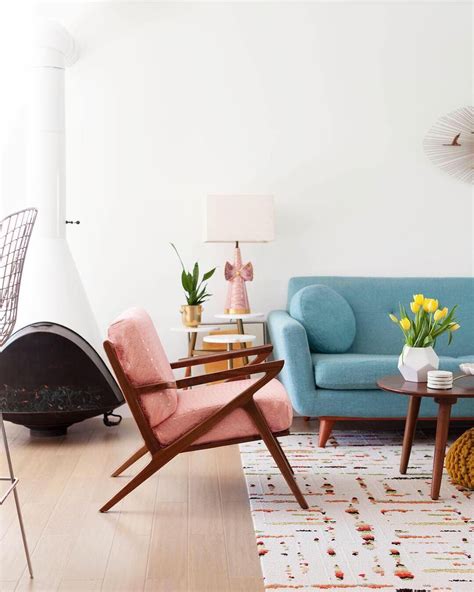
Furniture forms form the backbone of any mid-century living room, and anchoring the space begins with a well-chosen sofa and complementary accent chairs. A sofa featuring a tailored bench seat, tapered wooden legs, and track or slightly flared arms offers an instant nod to mid-century heritage while providing everyday lounging comfort. Rather than choosing dark, heavy leather, consider durable performance fabrics in heathered grays, warm oatmeal, or subtle olive green to keep the overall aesthetic light and approachable.
Complement your primary seating with iconic accent chairs, such as a lounge chair with exposed wood framing or a sculptural wire-base chair softened with a cozy sheepskin throw. Coffee tables featuring kidney-shaped silhouettes, round glass tops, or slatted lower shelves provide essential surface area without dominating the floor plan. When arranging these pieces, pull furniture slightly away from the walls to create an intimate conversation area that feels deliberate and welcoming.
Curating a Color Palette of Earthy Tones and Fresh Neutrals
Color choices dramatically shift a mid-century space from dated retro to refreshingly modern. While historical palettes relied heavily on avocado greens, harvest golds, and deep wood paneling, a modern update pairs these nostalgic notes with a clean, light-reflective neutral envelope. Crisp white or warm plaster walls provide a gallery-like backdrop that lets your statement furniture and artwork take center stage without darkening the room.
Layer in earthy retro tones through upholstery, decorative pillows, and art rather than painting every wall a bold color. Shades like terracotta, burnt orange, mustard, and forest green introduce warmth and depth when balanced against neutral foundations. If you prefer a cooler palette, muted teals and soft slate blues offer a tranquil nod to mid-century coastal and suburban architecture without feeling tied to a specific decade.
Illuminating the Space with Sculptural Lighting Fixtures
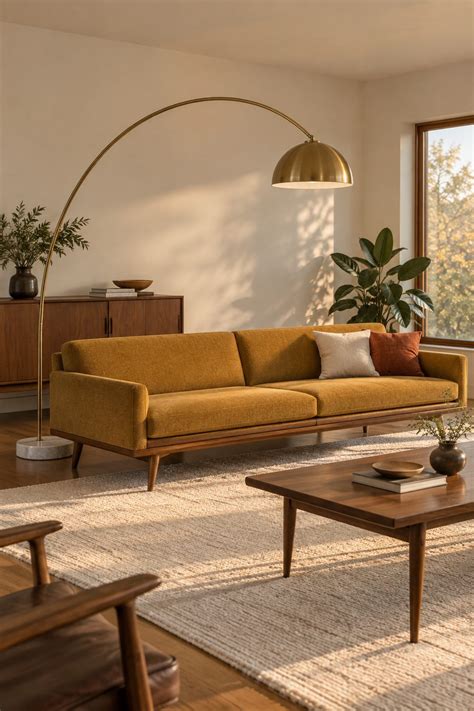
Lighting in a mid-century modern interior functions as much more than a practical necessity; it acts as sculptural art. Overhead fixtures, floor lamps, and table lamps with distinct metallic finishes, globe glass shades, or adjustable armatures help define different zones within an open-plan living room. An iconic multi-arm arc lamp hovering gracefully over a seating area adds both functional downward task lighting and dramatic architectural height.
When selecting fixtures, mix metals thoughtfully rather than matching every single finish in the room. Brushed brass, matte black, and polished chrome can coexist harmoniously if each metal is repeated elsewhere in the room through hardware, picture frames, or furniture accents. Incorporating dimmers on your primary light sources also ensures you can easily transition the room from bright, energetic daytime gatherings to warm, intimate evening relaxation.
Layering Textiles, Geometric Rugs, and Organic Decor
Texture is what transforms a clean-lined modern room into a genuinely cozy space. Mid-century design is famous for its appreciation of graphic patterns, but modern styling benefits from restraint. Instead of overwhelming the room with loud patterns on every surface, anchor the seating arrangement with a flat-weave or low-pile geometric rug that introduces subtle movement and defines the conversation zone.
Complete the room with thoughtful accessories that celebrate natural materials and craftsmanship. Ceramic table lamps, teak bowls, abstract canvas paintings, and low-profile planters housing leafy houseplants like snake plants or fiddle-leaf figs bridge the gap between indoor and outdoor living. By keeping decorative objects curated and meaningful rather than crowded, you maintain the uncluttered, intentional spirit that defines timeless mid-century modern design.
Frequently Asked Questions
What makes mid-century modern design look fresh rather than dated?
To keep the style feeling modern, avoid matching furniture sets and heavy dark wood finishes from past decades. Instead, mix clean-lined vintage silhouettes with contemporary textures like boucle, stone, and performance neutrals. Pairing low-profile furniture with a bright, airy color palette prevents the room from feeling like a museum replica.
How can I mix mid-century pieces with other design styles?
Mid-century modern design is remarkably versatile and blends exceptionally well with minimalist, contemporary, and even bohemian aesthetics. The secret is to let the clean structural lines of mid-century furniture serve as the anchor while using accessories, textiles, and lighting from complementary styles to add personal character and warmth.
What are the essential furniture shapes for this style?
Essential furniture shapes include sofas with tapered wooden legs and tailored bench seats, kidney-shaped or rectangular coffee tables with exposed wood grain, and sculptural accent chairs with organic curves. Look for pieces that feature a lightness of scale, meaning they have exposed legs and slim profiles rather than heavy, skirted bases.
Which color palettes work best for a bright updated space?
A fresh palette starts with a neutral background of warm white, soft greige, or pale plaster walls. From there, layer in earthy retro accents such as terracotta, olive green, ochre, and mustard yellow through textiles and art to create depth without overwhelming the room’s natural light.


