The coffee table is often considered the visual anchor of the living room. It sits at the very center of daily life, holding your morning coffee, supporting casual board game nights, and tying together the surrounding seating arrangement. When shopping for stylish coffee tables from Bed Bath & Beyond, the sheer variety of available materials, shapes, and structural designs can make the selection process feel both exciting and overwhelming. Whether you are furnishing a spacious suburban family room or a cozy urban apartment, selecting the right piece requires balancing personal aesthetics with everyday functionality.
Beyond serving as a convenient surface, a well-chosen coffee table influences the flow and mood of your entire interior. Selecting a piece that complements your existing color palette and furniture scale helps create a cohesive, intentional environment. This guide explores how to navigate different design categories available through online platforms like Bed Bath & Beyond, offering practical decision-making criteria for scale, material selection, and professional styling techniques that elevate your living space.
Understanding Scale, Proportion, and Room Layout
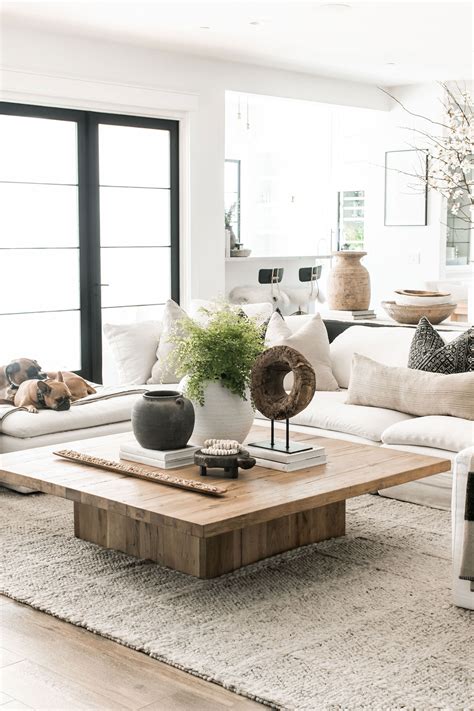
Before browsing specific catalog categories, understanding the fundamental rules of scale and proportion is essential for any successful living room design. A common mistake in home decor is choosing a table that is either too large, choking the room’s natural pathways, or too small, looking isolated and insignificant against large sectional sofas. As a general rule of thumb, your coffee table should measure roughly two-thirds the length of your main sofa and sit at a height that matches or sits slightly lower than your sofa cushions.
Clearance is another critical factor to evaluate before finalizing your purchase decision. Interior designers generally recommend maintaining a distance of about 14 to 18 inches between the edge of the coffee table and the sofa. This ensures comfortable legroom while keeping everyday items easily within reach without forcing you to strain. For tighter layouts, prioritizing rounded or oval tables helps prevent bruised shins and softens the geometric rigidity of compact rooms.
Exploring Modern and Minimalist Coffee Table Designs
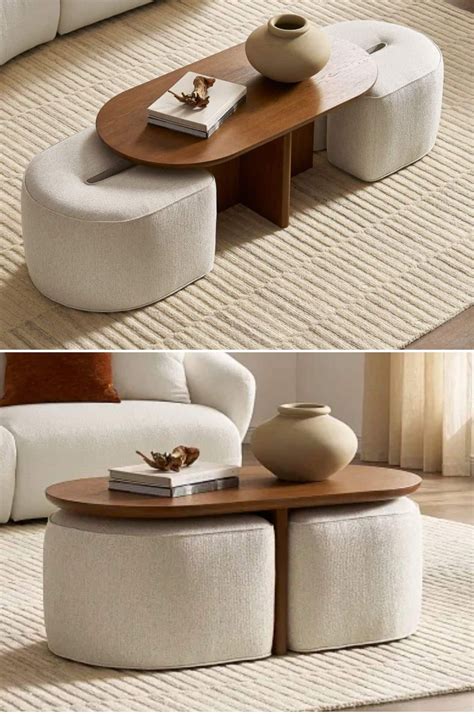
Modern and minimalist design philosophies emphasize clean lines, geometric simplicity, and an uncluttered visual footprint. In contemporary living spaces, minimalist coffee tables from Bed Bath & Beyond often feature sleek silhouettes constructed from molded wood, matte black metal frames, or understated solid tops. These pieces excel in rooms with neutral color palettes, allowing bolder textiles like patterned rugs or textured throw pillows to take center stage without visual competition.
When styling a minimalist table, restraint is your greatest asset. Because the furniture itself relies on clean geometry, avoid overloading the surface with heavy decor. Instead, opt for a single architectural bowl, a stack of two or three art books, or a sculptural ceramic vase with a single stem. This approach honors the clean-lined integrity of the furniture while maintaining a sophisticated, intentional atmosphere in your living area.
Rustic, Wooden, and Organic Textures
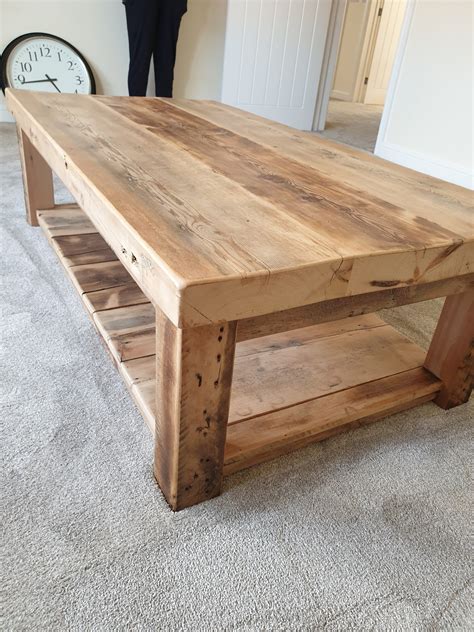
Introducing natural wood elements into a living room instantly warms up the space, bringing an organic grounding effect that contrasts beautifully with manufactured drywall and synthetic upholstery. Wooden coffee table selections range from reclaimed barn wood with rich knots and grain variations to smooth, mid-century modern walnut designs featuring tapered legs. These variations allow you to tailor the rustic charm to fit everything from a modern farmhouse aesthetic to a transitional urban loft.
When evaluating wooden tables, consider the undertones of your existing hardwood floors or neighboring furniture pieces. Mixing wood tones is entirely acceptable in modern interior design, but maintaining a consistent undertone—such as pairing warm honey woods together or keeping cool ash tones unified—prevents the room from feeling chaotic. A solid wood table also offers remarkable longevity, as minor surface scratches can often be buffed out or aged gracefully over time.
Glass, Metal, and Statement Architectural Tables
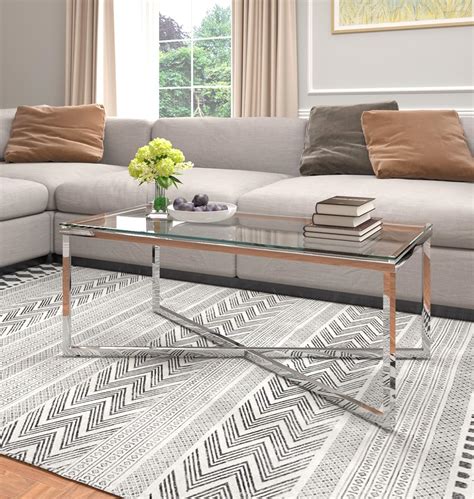
If your living room feels compact or lacks natural light, glass-topped coffee tables paired with brass, chrome, or black iron frames offer an ingenious design solution. Glass creates an optical illusion of expansive space because the eye travels straight through the transparent surface to the rug underneath. This keeps the room feeling airy, open, and visually unburdened, making it an ideal choice for smaller apartments or studio living spaces.
Metal-framed statement tables also introduce industrial or transitional flair into a home. While glass requires regular cleaning to keep fingerprints and dust at bay, its reflective quality bounces ambient light around the room. When pairing a glass or metal table with other furniture, ensure you balance the hard, cold surfaces with plush textiles like a thick wool rug or boucle armchairs to keep the room feeling warm and inviting.
Multifunctional and Storage Coffee Tables for Practical Living
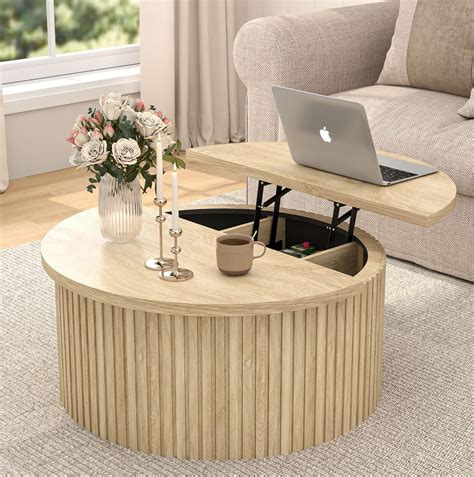
For many households, the living room serves multiple functions throughout the day, acting as a workspace, a play area for children, and an entertainment zone. Multifunctional and storage coffee tables bridge the gap between beauty and high utility by offering hidden compartments, lift-top mechanisms, or lower shelving. These designs are invaluable for stashing away extra throw blankets, remote controls, board games, and children’s toys at a moment’s notice.
Lift-top coffee tables deserve special consideration for remote workers or those who enjoy casual dining while watching television. By elevating a portion of the table toward your seating level, you create an ergonomic impromptu desk or dinner tray. When selecting a storage table, check the weight capacity of the lifting mechanism and ensure the internal compartments match the specific storage items you intend to conceal.
Professional Styling Formulas to Elevate Your Coffee Table
Once your coffee table is in place, styling it like an interior designer comes down to balancing height, texture, and negative space. A reliable formula utilized by professionals is the rule of thirds or asymmetric grouping. Divide your table visually into quadrants and arrange items in triangular clusters, varying the heights by combining tall elements like candlesticks or vases with medium books and low decorative trays.
Incorporate contrasting textures to keep the vignette dynamic and visually engaging. Pair smooth ceramics with rough-hewn wooden beads, organic greenery or dried florals, and metallic accents that catch the light. Leaving a portion of the table completely bare is equally important; negative space gives the eye a place to rest and ensures the table remains functional for placing down drinks without rearranging your entire decor setup.
Frequently Asked Questions
What coffee table styles are available through Bed Bath & Beyond?
Bed Bath & Beyond features a diverse catalog ranging from modern minimalist and industrial metal designs to warm rustic wood options and multifunctional tables equipped with hidden storage or lift-top mechanisms.
How do I determine the correct size coffee table for my sofa?
As a standard interior design guideline, your coffee table should be about two-thirds the length of your sofa and maintain a clearance of 14 to 18 inches from the seating edge to ensure comfortable legroom and smooth traffic flow.
Which coffee table materials work best in small or dark living rooms?
Glass-topped tables with metal or acrylic frames are ideal for small or dark rooms because their transparency allows light to pass through, creating an open, airy visual effect that makes the space feel larger.
How can I style my coffee table like an interior designer?
Use the rule of thirds by grouping decor in triangular clusters, mixing varying heights (such as books, trays, and vases), and blending diverse textures like wood, ceramics, and metal while leaving some negative space for functionality.


